
Lieferung heute & morgen

Qualitätsgarantie

Willkommens-Angebote freischalten: KOSTENLOSE Lieferung | Bis zu 80 % RABATT | Kostenlose 30-Tage-JoyPlus-Testphase
App herunterladen
A snail cream for the face can be an interesting addition to a Korean skincare routine when your skin needs plenty of hydration, a comfortable texture and straightforward daily care. However, products can differ considerably in their ingredients, consistency, pack size and directions for use.
If you focus only on high percentage claims or terms such as “Repair” and “Anti-Aging”, you may miss important details. The advice below will help you compare snail mucin creams objectively and choose one that suits your skin type.
Claims such as 80%, 90% or 92% snail secretion filtrate may seem clear-cut at first. However, they don’t automatically tell you how a cream will feel on every skin type or whether it will suit your personal skincare routine. Other ingredients matter too, including humectants, silicones, plant extracts, oils and preservatives.
Percentage claims should also always be considered alongside the product description and the complete INCI list. According to the product information, Advanced Snail 92 All in One Cream contains 92% snail secretion filtrate. Mizon lists different concentrations depending on the version.
Even a cream described as gentle or suitable for sensitive skin may contain ingredients that some people react to. These could include alcohol, fragrance, certain plant extracts or preservatives.
Before using a product for the first time, it’s a good idea to test a small amount on an inconspicuous area of skin. Stop using it if you experience burning, redness or a rash. If symptoms persist, seek advice from a dermatologist.
Gel-like formulas usually absorb quickly and can feel comfortable under sunscreen or make-up. However, a lightweight snail cream for the face may not be enough on its own for very dry skin. In this case, you may want to follow it with an additional moisturiser.
Light gel creams are often more comfortable for oily or blemish-prone skin. Dry skin may benefit from a creamier formula with added humectants and nourishing lipids. If you’re short on time in the morning, look for a texture that spreads evenly and works well with other skincare products.
A moisturiser for dry skin doesn’t have to feel heavy or greasy. Ingredients such as glycerin, betaine, panthenol or sodium hyaluronate can help hydrate the skin. However, their actual effect depends on the overall formula and your individual skin.
The INCI list tells you which ingredients a product contains. If your skin is sensitive or irritated, it’s worth checking carefully for alcohol, fragrance and a high number of botanical extracts. If you have known allergies, check the manufacturer’s information and the packaging.
According to the product information, Advanced Snail 92 All in One Cream contains betaine, sodium hyaluronate, allantoin and panthenol, among other ingredients. The Mizon All In One Snail Repair Cream also lists various plant extracts, adenosine and peptides. More ingredients don’t automatically mean a product will be better tolerated.
A 100 g pack is suitable if you plan to use a cream regularly, morning and evening. A smaller size, such as 35 ml or 50 g, may be more practical for travelling or trying a product for the first time. Jars offer quick access, while tubes can reduce direct contact between your skin and the product.
After opening, follow the instructions on the packaging. Store products in a cool, dry place away from direct sunlight. Keep the cream out of your eyes and use it only on the outside of the body.
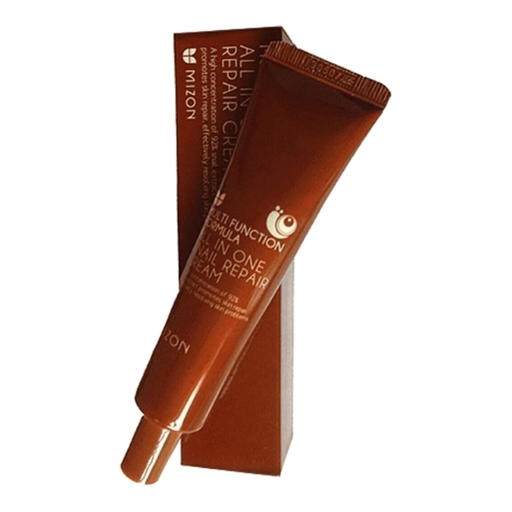
Why this product suits this profile: The smaller 35 ml size is handy if you want to try snail cream for the first time or use it while travelling. The product information lists snail secretion filtrate at 46,000 ppm, as well as sodium hyaluronate and glycerin.
The manageable pack size reduces the risk of buying a large amount of a texture that may not suit you. The full ingredients list is available to check before you buy.
Compact 35 ml size, lightweight cream texture and several moisture-binding ingredients according to the INCI list.
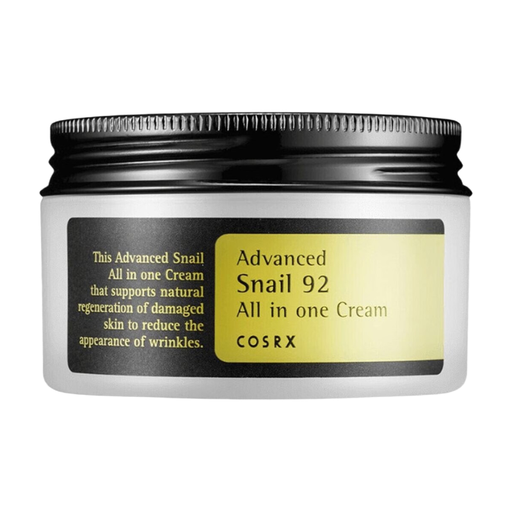
Why this product suits this profile: The 100 g size is aimed at people who prefer a consistent daily K-beauty skincare routine with a gel-like cream. According to the product information from, it contains betaine, sodium hyaluronate, allantoin and panthenol, among other ingredients.
The product information clearly sets out how to use and store the cream, along with its warnings. This makes it easier to fit into an existing routine.
100 g pack, gel-like consistency and listed moisture-binding ingredients.
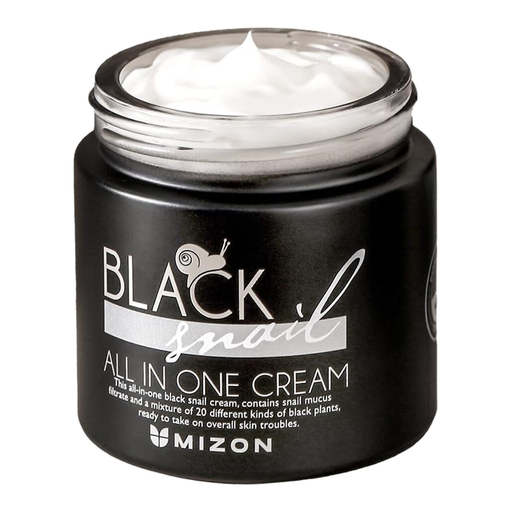
Why this product suits this profile: According to the product information, this richer formula is designed for an evening routine and greater skincare needs. Listed ingredients include black snail secretion filtrate, adenosine, niacinamide and Centella asiatica extract.
The description specifically highlights its concentrated texture and evening use. This helps you avoid choosing a rich cream when you’re looking for a lightweight morning moisturiser.
75 ml pack, richer consistency and an INCI list that includes adenosine and several ingredients associated with hydration.
We’ve put together a complete, regularly updated list of products that meet these strict selection criteria and fully comply with the safety regulations in force in the EU.
A regenerating face cream or anti-ageing face cream shouldn’t be seen as a replacement for dermatological treatment. Snail creams are cosmetic products that can support the feel and appearance of your skin. Claims about wrinkles, blemishes or the skin barrier depend on the individual product formula and how you use it.
It depends on your individual tolerance and the ingredients list. Products with no declared fragrance may be worth considering, but patch tests are still a good idea. If you have a known allergy to ingredients of animal origin, take extra care when choosing a product.
The directions for several of the products mentioned here recommend using them morning and evening. A small amount is usually enough. During the day, add sunscreen to your routine if you’ll be exposed to UV rays for an extended period.
Follow the printed best-before date, the symbol showing how long the product can be used after opening, and the manufacturer’s instructions. If the product develops an unusual smell, texture or colour, stop using it.