
Lieferung heute & morgen

Qualitätsgarantie

Willkommens-Angebote freischalten: KOSTENLOSE Lieferung | Bis zu 80 % RABATT | Kostenlose 30-Tage-JoyPlus-Testphase
App herunterladen
A snail mucin face cream is often associated with Korean skincare, hydration and smoother-feeling skin. But the name alone tells you little about the actual formula. If you focus only on a high percentage or familiar marketing terms such as “Repair” and “Anti-Ageing”, you could end up buying a product that doesn’t suit your skincare routine.
In cosmetics, snail mucin usually refers to Snail Secretion Filtrate — filtered snail secretion. Depending on the product, it may be combined in a cream, essence or serum with other humectants, plant extracts or skin-conditioning ingredients.
Figures such as 92%, 96% or 97% snail mucin refer to the product’s formula. They don’t tell you exactly how it will feel on every skin type or whether it will address your individual skin concerns. Texture, the other ingredients and how often you use it all matter too.
Even a snail mucin cream may contain preservatives, fragrance or other ingredients that don’t suit everyone. Before applying it for the first time, it’s a good idea to do a patch test on a small area of skin. Stop using it if you experience redness, stinging or itching.
A snail essence is usually more lightweight and is applied after cleansing. A snail serum may contain additional active ingredients, such as niacinamide. A cream is generally the final moisturising step in your routine. If you’re combining several products, check the full ingredients list as well as the mucin content.
Check whether Snail Secretion Filtrate is actually listed among the ingredients and where it appears. The order gives you a useful indication of the relative amount, but it isn’t a substitute for assessing the full formula. Other ingredients, such as glycerin, betaine, panthenol or sodium hyaluronate, can also help hydrate the skin.
If you’re looking for moisturising skincare for sensitive skin, fragrance and potentially irritating ingredients are also worth checking. Don’t treat claims such as “hypoallergenic” or “dermatologically tested” as a guarantee that a product will suit you personally.
A snail mucin face cream can be part of a routine to support the skin barrier. However, it doesn’t replace sun protection or a dermatologist’s advice if you have persistent skin concerns.
Jars, tubes and pump dispensers each have their own practical benefits. A tube can be handy for travel and reduces direct contact with the product. Before buying, compare the size, directions for use, period after opening and storage instructions.
Take extra care if you have allergies to shellfish or house dust mites. the brand’s product information specifically includes this warning for some of its snail mucin products. You should also avoid applying skincare to broken or severely irritated skin if the packaging advises against it.
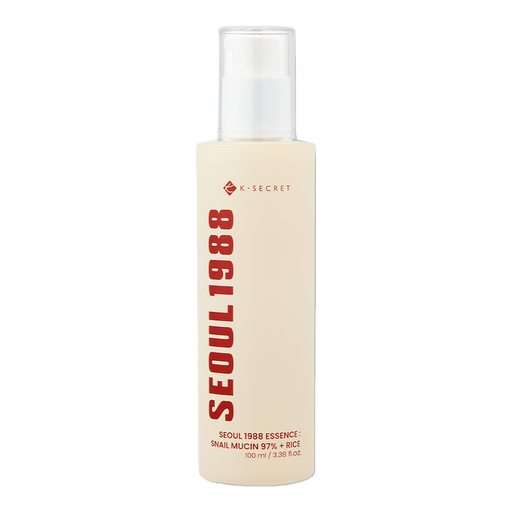
Why this product suits this profile: This essence is a good choice if you’d like to try a lightweight layer before your face cream and prefer a streamlined Korean skincare routine.
The product name clearly states the mucin content and format, making it easy to distinguish this essence from a finishing cream.
Lightweight essence texture; the product name states that it contains 97% snail mucin.
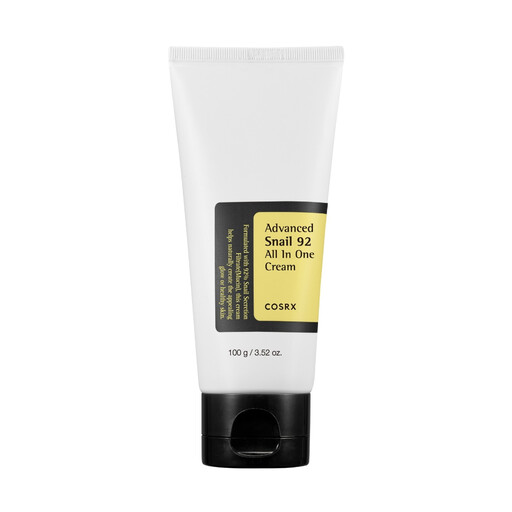
Why this product suits this profile: This 100 g gel-like cream is designed for daily use. According to the product description, it contains 92% snail mucin as well as sodium hyaluronate.
The cream is easy to identify as a standalone skincare step, rather than confusing it with an essence.
100 g size; gel-like texture; sodium hyaluronate listed in the product description.
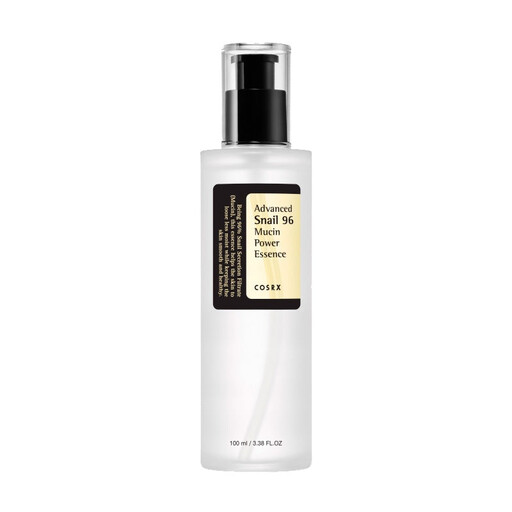
Why this product suits this profile: This 100 ml essence is a good choice if you want to apply an extra lightweight layer of skincare before your cream.
It’s clearly labelled as an essence, so you can use it as an in-between step rather than a replacement for every cream.
100 ml; product information states that it contains 96% Snail Secretion Filtrate; easy to apply after cleansing.
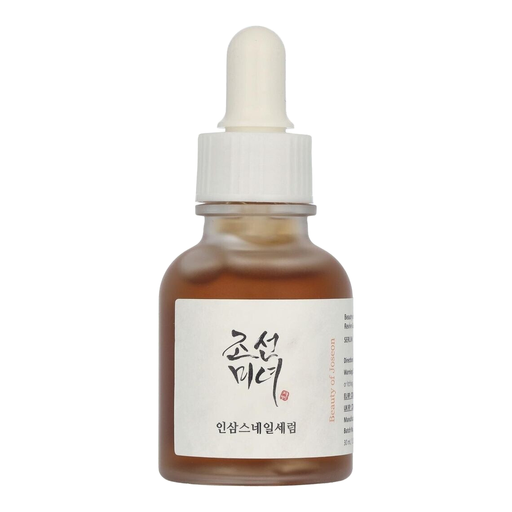
Why this product suits this profile: According to the ingredients list, this 30 ml serum combines ginseng, 3% Snail Secretion Filtrate, niacinamide and hyaluronic acid.
The mucin content is stated as 3%, making it easy to distinguish this serum from products with a much higher mucin content.
30 ml serum; ginseng and niacinamide listed among the ingredients; suitable for a step-by-step routine.
We’ve put together a complete, regularly updated list of products that meet these strict selection criteria and fully comply with the safety regulations in force in the EU.
A repairing face cream or a product labelled anti-ageing describes how a product is positioned as a cosmetic, not a guaranteed result. If you have acne, eczema, severe redness or recurring irritation, it’s a good idea to seek advice from a dermatologist.
That depends on your individual tolerance and the full formula. As well as snail mucin, check for fragrance, preservatives and other active ingredients. It’s a good idea to do a patch test before applying the product more widely.
An essence is usually more lightweight and provides an extra layer of hydration. A serum is often formulated around additional ingredients, such as niacinamide or plant extracts. Both products are usually applied before face cream.
Check the best-before date, the open-jar symbol and the information on the packaging. Store the product in a cool, dry place away from direct sunlight. If its smell, colour or consistency changes, stop using it.