
Lieferung heute & morgen

Qualitätsgarantie
App herunterladen
Kategorien
Choosing the right sneaker involves analysing its functional properties and material specifications. By definition, a sneaker is a shoe originally designed for athletic activities, but its design and material properties have been adapted for everyday wear. The primary criteria for a purchase are the upper material, sole construction, and fit, which can vary by manufacturer. This guide provides an objective breakdown of common models and materials to help you make an informed decision.
The decision to buy a sneaker should be based on an objective evaluation of its components. Durability, comfort, and maintenance requirements are directly dependent on the materials used and the quality of craftsmanship.
The upper material significantly determines the shoe's appearance, breathability, and resilience.
The sole is functionally divided into a midsole and an outsole.
Sizing can vary significantly between brands like Nike sneakers and Adidas sneakers. To successfully buy sneakers online, accurately determining your shoe size is fundamental. We recommend measuring your foot length in centimetres and comparing it with the manufacturer's specific size chart. Keep in mind that feet can swell slightly throughout the day.
The following models have been selected based on their specific design features, material composition, and established market presence.
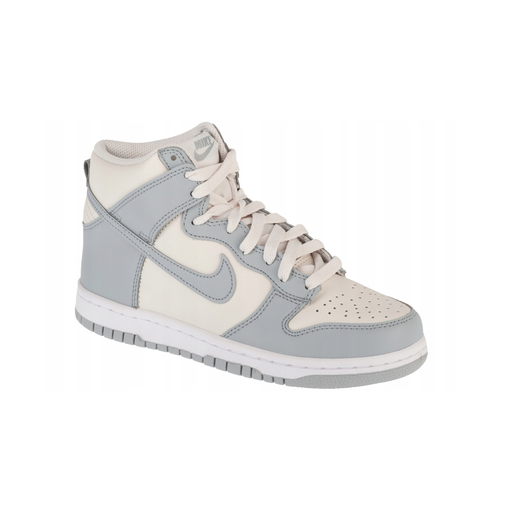
Why we recommend this product: The Nike Dunk High is characterised by its high-top design, which envelops the ankle area. The genuine leather upper provides associated benefits like durability and a custom fit over time. The design is an established classic in the world of streetwear footwear.
Pros:
Who it's for: This model is suitable for sneaker enthusiasts who prefer a high-top design and the material properties of genuine leather. It is designed for everyday use as a casual shoe.
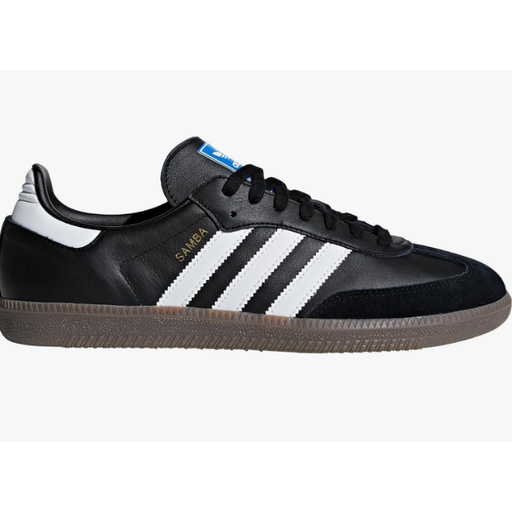
Why we recommend this product: The Adidas Samba OG is an example of a timeless, low-profile design. The combination of a leather upper with suede overlays gives the shoe its characteristic texture. The gum sole (a sole made from natural rubber) is a key feature of this model, known for its flexibility and grip.
Pros:
Who it's for: Users looking for a low-profile, versatile branded sneaker with a retro aesthetic. The model is suitable for both everyday wear and casual occasions, appealing to a broad audience.
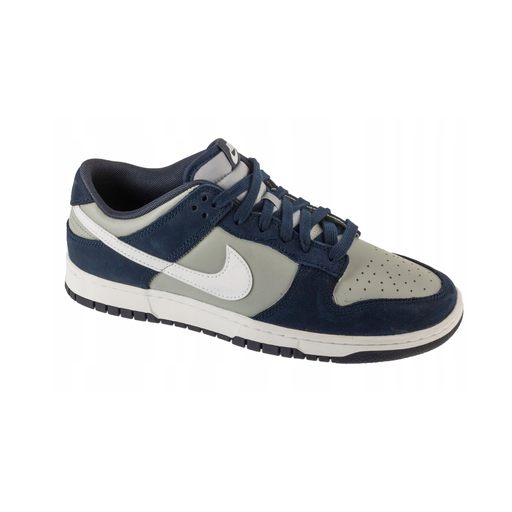
Why we recommend this product: The Nike Dunk Low Retro combines synthetic leather with textile elements, creating a balance of durability and breathability. The sole's rubber compound is engineered for traction and longevity. The cushioned insole enhances comfort during extended wear.
Pros:
Who it's for: This model is aimed at individuals seeking an iconic yet straightforward sneaker for daily use. The material combination makes it a practical choice for variable conditions.
While the focus of this guide is on casual shoes and streetwear, specific athletic disciplines require specialised footwear. For performance-oriented cyclists, where power transfer and aerodynamics are paramount, road cycling shoes with stiff soles and clipless pedal systems are an ideal choice.
1. How do you properly care for leather sneakers? To care for genuine leather sneakers, it is recommended to remove dirt with a soft, damp brush or cloth. Avoid harsh chemicals. Special leather care products can be applied to maintain the material's suppleness. Synthetic leather is less demanding and can usually be cleaned with mild soapy water.
2. What is the functional difference between the Nike Dunk High and Low? The primary difference is the collar height. The Dunk High wraps around the ankle, which can offer more support, a feature some wearers find more stabilising. The Dunk Low ends below the ankle, allowing for greater freedom of movement and is often perceived as easier to put on and take off. The choice is a matter of personal preference regarding style and feel.
3. How do I find the right sneaker size online? Measure your foot length from the back of your heel to the tip of your longest toe. Compare this measurement (in cm) with the official size chart of the respective brand. Also, read product reviews, as other buyers often provide feedback on whether a model runs large, small, or true to size. Consider the width of your foot, as some models have a narrower cut.