
Lieferung heute & morgen

Qualitätsgarantie

Willkommens-Angebote freischalten: KOSTENLOSE Lieferung | Bis zu 80 % RABATT | Kostenlose 30-Tage-JoyPlus-Testphase
App herunterladen
A soap dispenser is an everyday essential found in almost every home. Whether it's in the kitchen for washing-up liquid or in the bathroom for hand soap, its function is simple, yet choosing the right model can be surprisingly complicated. Many products overpromise and underdeliver, leading to frustration instead of better organisation and hygiene. Before you make a decision, it's helpful to know the typical weak points that can quickly render a seemingly good purchase useless.
The three most common problems with soap dispensers are:
A well-thought-out purchase that avoids these pitfalls will ensure long-lasting satisfaction and contribute to the tidy space you desire.
To avoid a bad buy, you should focus on a few basic but crucial product features. These determine the dispenser's durability, functionality, and suitability for your specific needs.
The material affects not only the look but also the durability and maintenance of a dispenser.
The dispensing method is a key functional feature.
A refillable soap dispenser is not only more economical but also reduces plastic waste. Look for a sufficiently large opening that allows for mess-free refilling. The capacity should suit its location: a smaller dispenser with 250–300 ml is often sufficient for a guest bathroom, while a model with 400 ml or more may be more practical in a family kitchen.
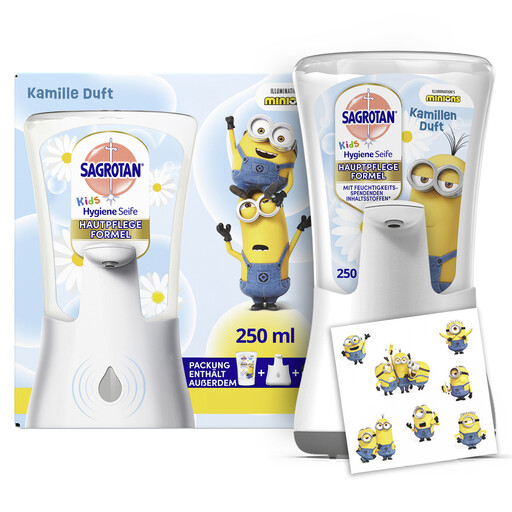
Why This Fits Their Persona: The touch-free operation minimises the spread of germs and makes handwashing easier and more hygienic for children. The starter set is ready to use out of the box.
The automatic mechanism is calibrated for the included soap's consistency, reducing the risk of clogs. The device's wide base ensures a stable footing.
Hygienic, touch-free operation; specifically designed for the needs of households with children.
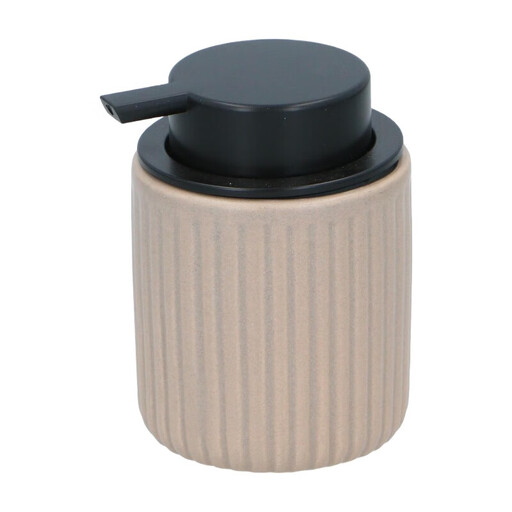
Why This Fits Their Persona: The minimalist design and high-quality ceramic material blend seamlessly into a modern and uncluttered aesthetic in the bathroom or kitchen.
The ceramic's own weight (247 g) and square base (8x8 cm) provide excellent stability. The material is naturally rust-proof and durable.
Timeless, robust material; stable design that prevents tipping.
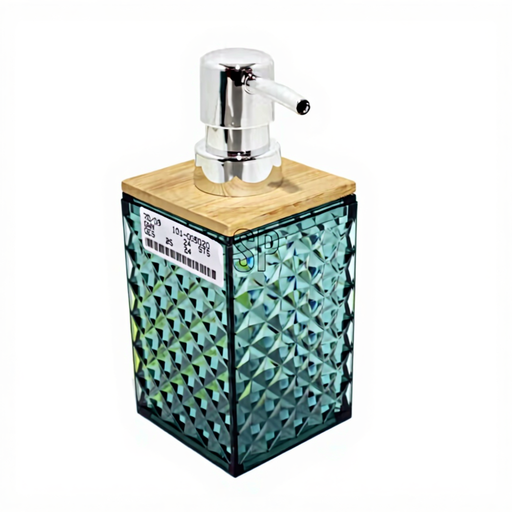
Why This Fits Their Persona: Offers a straightforward and functional solution for daily use in the kitchen or bathroom. It eliminates the clutter of washing-up liquid bottles and is budget-friendly.
The PS plastic construction is completely rust-proof and robust enough for everyday use. The simple, manual pump mechanism is less prone to complex defects than electronic versions.
Compact design for space-saving organisation; precise and controlled dispensing to minimise waste.
We have compiled a complete, real-time list of products that fully satisfy these strict selection criteria and UK safety regulations.
How do I clean a clogged soap dispenser? To clean a clogged pump mechanism, remove the pump head from the container and place it in a bowl of warm water. Pump it several times while submerged to flush out soap residue. For stubborn clogs, it can help to soak the pump mechanism in a mixture of warm water and vinegar for about 30 minutes before rinsing it through again.
Can I use any type of soap in an automatic soap dispenser? Not necessarily. Many automatic dispensers are designed for liquid soaps of a specific viscosity or for special foaming soaps. Using a soap that is too thick or gel-like can block or damage the internal mechanism. It is advisable to check the manufacturer's recommendations, which can be found in the product description or on the packaging.
Are refillable soap dispensers hygienic? Yes, provided they are maintained correctly. To prevent bacteria from building up, the container should be completely emptied and thoroughly rinsed with warm water before each refill. Allow the container to dry completely before adding new soap. A regular cleaning every few months is recommended.