What should you look for when buying?
First decide whether you want to show whole bars of soap or fine surface details. A suitable close-up lens only becomes a key buying consideration when you want to capture small details.
Keep using your current camera
A good fit if: Whole bars of soap already look detailed enough, and the main inconsistencies are in the lighting, background or framing. RTINGS.com highlights presentation and lighting, while Canon UK recommends a tripod for consistent product images.
The trade-off: For very fine textures or tighter crops, you may still need a suitable close-up lens or higher resolution.
Mirrorless camera with a close-up lens
A good fit if: You want embossing, pores or cut edges to appear large in the frame. Check the lens mount, maximum magnification ratio and working distance. Sony UK recommends checking these details for the specific lens.
The trade-off: A 1:2 lens gives you different framing options from a 1:1 lens. At higher magnifications, depth of field becomes more important.
| Priority |
What to check before buying |
Who it matters most to |
| Fine details |
Check the maximum magnification ratio, working distance and lens mount for the specific combination. |
If I want to show embossing or cut edges large in the frame, I need a suitable close-up lens and enough room for light from the window; around 31% of consumers would put detailed close-ups first. |
| Colour control |
Check whether the specific model supports RAW shooting and adjustable white balance. |
When daylight changes, I want to keep soap colours consistent between shots rather than rely on the light from the window staying the same; around 25% of consumers would prioritise colour control. |
| Consistent product shots |
Check tripod compatibility and whether you can see the frame from your planned shooting position. |
When I photograph lots of soaps for listings, a fixed frame matters more to me than moving the camera around between shots; around 25% of consumers would prioritise consistent product shots. |
| Less extra equipment |
First take a test shot of the whole bar and your chosen details with the equipment you already have. |
If whole bars are already captured in enough detail, I want to improve the lighting, background and stability first; around 19% of consumers would prioritise keeping extra equipment to a minimum. |
Joybuy product selection
The Joybuy products below include a range of digital cameras. For photographing soap by a window, check whether each specific model and setup can capture the details you want and support a repeatable shooting position.
 No image available
Sony Alpha 6100 with 16–50 mm power zoom
This mirrorless camera is sold with a 16–50 mm power zoom lens. For small details such as embossing, check whether the specific lens offers the magnification ratio and working distance you need.
View at Joybuy
 No image available
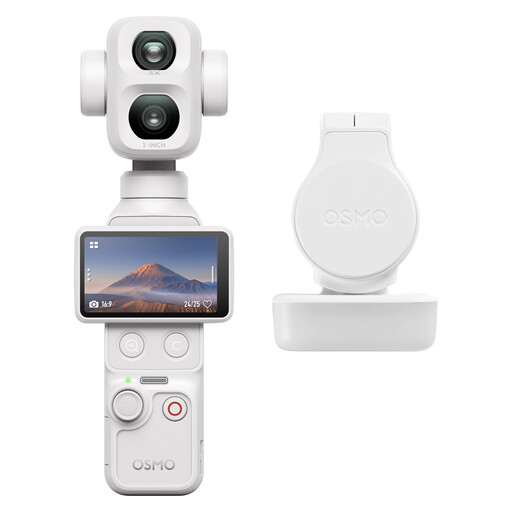
DJI Osmo Pocket 4P Standard Combo (White)
Before buying, check whether this specific setup can give you the fixed framing and close-up distance you want for photographing soap by a window.
View at Joybuy
 No image available
KOMERY G7-A 4K digital camera, pink
80 MP and 18× digital zoom. For small soap details, you should also check whether the specific lens and shooting distance can achieve the close-up you want.
View at Joybuy
 No image available
Komery W6 4K digital camera
The model specifications include 64 MP, 4K, Wi-Fi and 12× optical zoom. For close-ups, check whether the specific lens combination can capture the part of the soap you want.
View at Joybuy
 No image available
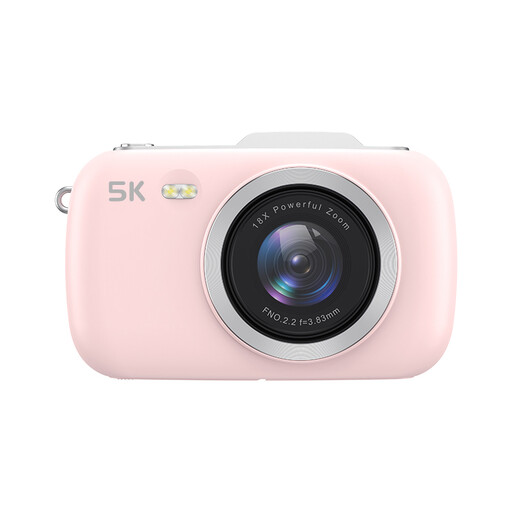
KOMERY G7 5K digital camera, pink
80 MP and 18× zoom. The zoom specification alone doesn’t tell you how large fine soap details will appear. Check the model’s close-up capabilities to find out.
View at Joybuy
Frequently asked questions
Do I need a new camera straight away to photograph whole bars of soap?
Not necessarily. First, try taking pictures with your current camera in good light by a window, against a simple background. If you want to capture small details much larger, a suitable close-up lens may be more important.
How can I keep the framing consistent across several bars of soap?
Set up your camera securely and keep it in the same position if possible. Canon UK’s product photography guide recommends using a tripod to keep the framing and background consistent between shots.
What can I do if the soap isn’t completely sharp in close-up shots?
Depth of field is narrower at close range. For still subjects, focus bracketing with a tripod followed by image stacking may help. Before buying, check that your planned workflow supports these steps.
What extra equipment should I consider when choosing a camera?
Consider a close-up lens that’s compatible with the camera body, and a tripod if needed. A camera body or kit on its own doesn’t tell you whether you’ll be able to capture the level of detail you want.
Who should I contact if a camera I bought from a private seller in Germany is faulty?
For a consumer purchase, statutory rights against the seller are separate from a voluntary manufacturer’s guarantee and shouldn’t be treated as the same thing. The EU consumer information service Your Europe states that the minimum period is two years from receiving the goods. These rules don’t apply in the same way to purchases from private individuals. If you bought the camera for business use, don’t assume consumer rules apply without checking.


