
Lieferung heute & morgen

Qualitätsgarantie

Willkommens-Angebote freischalten: KOSTENLOSE Lieferung | Bis zu 80 % RABATT | Kostenlose 30-Tage-JoyPlus-Testphase
App herunterladen
A well-equipped socket set is the heart of any workshop, whether for the ambitious DIY enthusiast or the professional mechanic. But the selection is vast, and marketing promises often outweigh the actual value. Before you invest, it's crucial to know the common pitfalls that often lead to a bad purchase.
Many buyers focus on the sheer number of pieces or on supposed bargains, only to find out later that the tool can't handle the job. Here are the most common mistakes you should avoid:
To avoid a bad purchase, you should focus on the technical parameters that are truly relevant for your applications.
The drive size, measured in inches, determines the size of the square drive that the sockets attach to. Each size has its specific area of use:
The number of teeth in the ratchet mechanism is an often-overlooked but critical quality feature. A ratchet with more teeth requires a smaller swing arc to engage the next tooth.
A fine-tooth ratchet is a significant advantage in tight workspaces, like a crowded engine bay, as it allows you to tighten or loosen screws with minimal room to move.
The durability of a socket set depends directly on the material used. Chrome-vanadium steel (CrV) is a proven standard that offers a good balance of hardness and toughness, making it resistant to deformation and breakage. A high-quality chrome-plated finish also effectively protects the tool from corrosion and makes cleaning easier.
Instead of making a one-size-fits-all recommendation, we have identified products tailored to specific user profiles and their requirements.
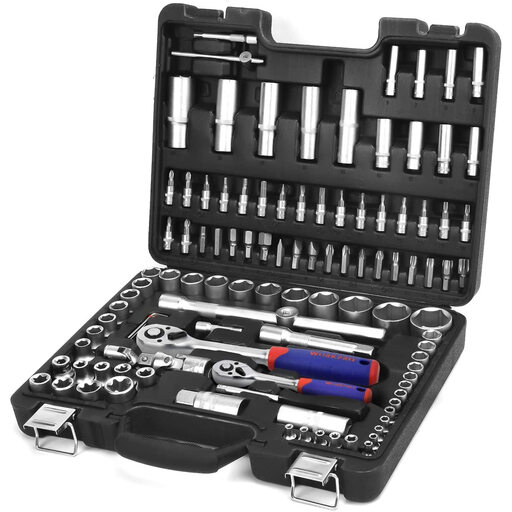
Why It's a Match: This set is the classic solution for users who need a versatile tool case for a wide range of tasks—from furniture assembly to more demanding car repairs. It covers the most common use cases.
Instead of buying separate, mismatched tools, this comprehensive socket set includes both 1/4-inch and 1/2-inch drives. This prevents the common mistake of choosing the wrong drive size from the outset.
Comprehensive 108-piece set with the two most important drive sizes. The tools are made of chrome-vanadium steel and organized in a sturdy case.
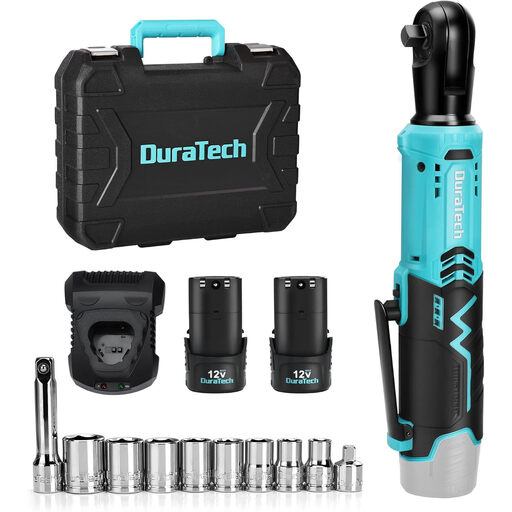
Why It's a Match: For users who frequently work in tight spaces like engine bays and want to speed up their workflow. This cordless ratchet replaces tedious manual ratcheting and saves significant time and effort.
This tool solves the problem of slow, fatiguing work in tight environments where a manual ratchet has a limited swing arc. The integrated LED light also improves visibility in dark areas.
Motorized function for rapid fastening with up to 65 Nm of torque. The set comes with two batteries, a charger, and accessories, making it ready to use out of the box.
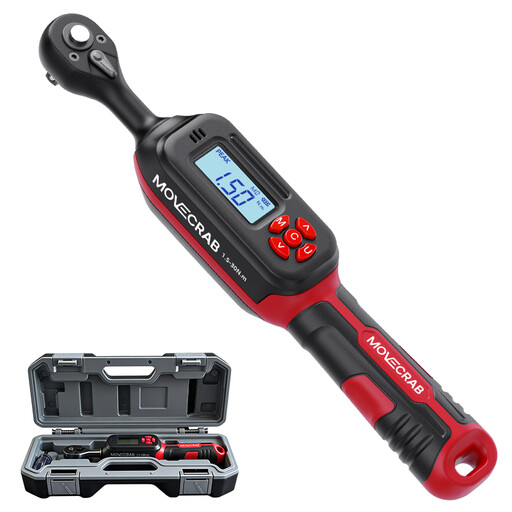
Why It's a Match: Ideal for mechanics and demanding DIYers who work on sensitive components like carbon parts on a bicycle or specific engine bolts, where exact tightening torque is essential to prevent damage.
A standard socket set offers no torque control. This digital torque wrench prevents the costly mistake of over-tightening or under-tightening critical bolts by precisely indicating when the target torque is reached.
Digital torque display with ±2% accuracy (according to the manufacturer). A triple alarm system (vibration, sound, LED) signals when the set value is reached.
We have compiled a complete, up-to-date list of products that meet these strict selection criteria and relevant standards.
A 1/4-inch socket set is designed for fine, delicate jobs with low torque, such as those found on bicycles, electronics, or in model building. A 1/2-inch socket set is the tool for heavy-duty tasks that require high power transmission, such as changing a tire or making repairs to a car's suspension.
A ratchet with 72 teeth, which corresponds to a 5-degree swing arc, is a very good standard for most applications. Models with even finer teeth (e.g., 90 or 120 teeth) offer additional advantages in extremely tight work environments, as they require even less room to move.
Yes, using a torque wrench is highly recommended. Vehicle manufacturers specify an exact tightening torque for lug nuts. If this torque is not met, the nuts can loosen. If it is exceeded, the wheel studs or rims can be damaged. A standard ratchet wrench cannot guarantee this level of precision.