
Lieferung heute & morgen

Qualitätsgarantie

Willkommens-Angebote freischalten: KOSTENLOSE Lieferung | Bis zu 80 % RABATT | Kostenlose 30-Tage-JoyPlus-Testphase
App herunterladen
A high-quality socket wrench set is fundamental for countless repair and maintenance jobs on vehicles, machinery, and around the home. However, the market is flooded with offers that often promise more than they deliver. Misleading material specifications or impractical set compositions can quickly lead to a bad buy. This guide will help you identify the crucial features and find a ratchet set that truly meets your needs.
Before we dive into the technical details, let's look at the typical marketing traps that often lead to disappointment.
To avoid a purchase mistake, focus on three objective technical parameters that determine the performance and longevity of your tools.
The drive size, measured in inches, defines the square connection between the ratchet and the socket and determines the maximum applicable torque.
Material quality is non-negotiable. Look for the CRV Steel or Chrome Vanadium Steel marking. This alloy offers a balanced combination of:
A ratchet set made of CRV steel is an investment in durability and workplace safety.
Instead of focusing on the sheer number of pieces, check if the set contains the components relevant to you. A good socket case for general use should include:
Here are three recommendations tailored to specific user profiles that meet the quality criteria mentioned above.
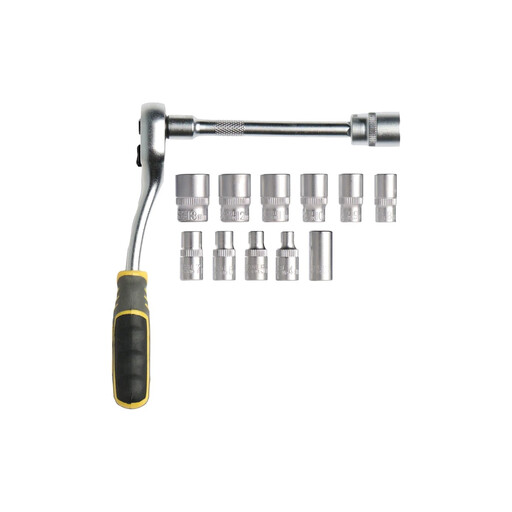
Why This Fits Their Persona: Perfect for furniture assembly, bicycle maintenance, and minor household repairs where a large tool case would be oversized and cumbersome. Its compact size makes it easy to store.
This set resists the "more-is-better" trap by focusing on the 10 most common metric sizes. The CRV steel (50BV30) material ensures reliable performance when used correctly.
The 72-tooth ratchet enables precise work in tight spaces. The practical storage rail is more space-efficient than a case.
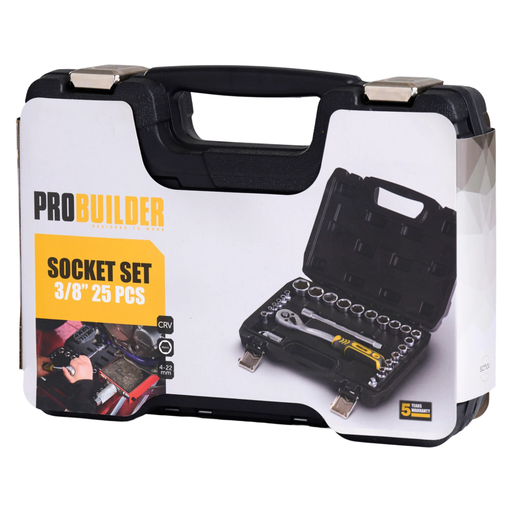
Why This Fits Their Persona: The 3/8-inch drive size is the versatile standard for most maintenance on cars, motorcycles, or machinery. This set provides a solid foundation for any home workshop.
Offers a well-thought-out, 25-piece composition without unnecessary filler. The consistent use of CRV steel for all components ensures strength and durability for regular use.
The sturdy carrying case keeps tools organized and protected from loss and moisture. The comprehensive selection of sockets covers a wide range of repairs.
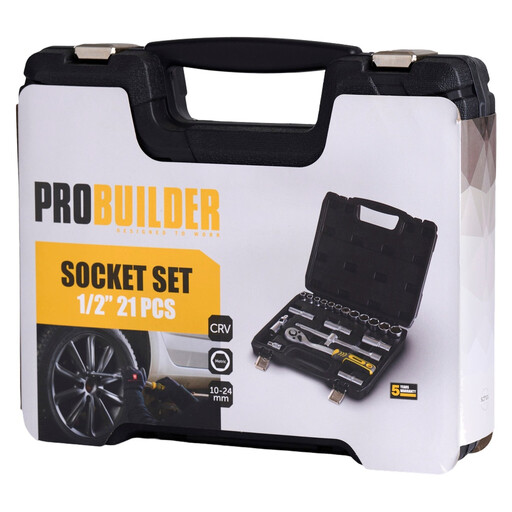
Why This Fits Their Persona: The 1/2-inch drive is specifically designed for high torque. This set is the right choice for seasonal tire changes, work on brakes, suspension, or other robust vehicle components.
This set specifically focuses on the robust 1/2-inch standard, preventing the purchase of an unsuitable, weaker set for high-torque tasks. The quality of the CRV steel is designed for heavy loads.
Designed for high stress and longevity. The case ensures secure and organized storage for the heavy tools. This meets the demands of a typical professional-grade socket set.
We have curated a comprehensive selection of tools that meet the quality criteria mentioned here. Find the perfect set for your next project.
The ideal number of pieces depends on your application. For home use and occasional repairs, a set with 12 to 25 pieces that covers the most common metric sizes (8-19 mm) and includes essential accessories like an extension bar is often sufficient. For professional auto mechanics, a set with over 50 pieces can be useful, provided it includes different drive sizes and specialty sockets (e.g., Torx, spark plug sockets). The quality and relevance of the pieces are more important than the sheer number.
6-point sockets have six contact surfaces and provide a larger contact area on the bolt head. This allows for higher torque transfer and reduces the risk of damaging ("rounding off") the bolt head. They are the standard for most applications. 12-point sockets are easier to place on a bolt head in tight spaces because they offer a new engagement position every 30 degrees (instead of 60 degrees). They are convenient but are more prone to slipping on very tight or damaged bolts.
Even high-quality CRV steel is not completely rustproof. Always store the ratchet set closed in a dry place. Wipe the tools with a clean, dry cloth after use to remove moisture, oil, and dirt. Occasionally wiping the metal parts with a thin film of penetrating oil (e.g., WD-40) or machine oil provides additional protection, especially for the ratchet mechanism.