
Lieferung heute & morgen

Qualitätsgarantie

Willkommens-Angebote freischalten: KOSTENLOSE Lieferung | Bis zu 80 % RABATT | Kostenlose 30-Tage-JoyPlus-Testphase
App herunterladen
Socks in multipacks are handy for home, work, sport and travel. A pack of 3, 6 or 8 means fewer repeat purchases and makes it easier to change into a clean pair after washing. However, a larger pack isn’t automatically the better choice. The key factors are the material composition, size, leg length, construction and intended use.
A 6-pack of socks may look like good value at first glance. But if only one standard size is available, or the size switches between EU, UK and US systems, the socks may fit too loosely or too tightly. Always check the actual foot length or EU size, rather than relying on labels such as S, M or L.
‘Cotton socks’, ‘bamboo socks’ or ‘breathable socks’ aren’t necessarily made entirely from the material named. They’re often blended with polyester, polyamide, acrylic or elastane. These fibres affect stretch, drying time, shape retention and feel. So always check the full material details in the product information.
Trainer socks and ankle socks are designed for low-cut shoes. However, if the cuff is too short, it may slip down during everyday wear. Business socks usually come further up the leg, making them a better match for long trousers and leather shoes. For walking boots or winter sports, longer walking socks with cushioned zones are a better choice than thin low-cut styles.
Cotton feels familiar to many people and is used in a wide range of women’s and men’s socks. But a higher cotton content alone doesn’t tell you how durable or quick-drying a pair will be. Blends with polyester or polyamide can help with shape retention and durability. Elastane adds stretch and helps the socks stay snug.
For sport socks, moisture-wicking socks with mesh or knitted zones are one option for training and running. The product description should specify which fibres the fabric is made from. For example, the ASICS Quarter socks are listed as containing 69 % cotton, 24 % polyester, 5 % polyamide and 2 % elastane.
Bamboo socks are often promoted for their soft feel and moisture management. Here, too, check the exact fibre composition and care instructions rather than relying on the product name alone.
A good fit is about more than choosing the right shoe size. Look for:
Compression socks have additional requirements for fit and pressure distribution. Take particular care to check the size guide. You can’t assume medical or therapeutic benefits from a product name alone.
A pack of 3 is a good choice if you’d like to try the material and fit first. A 6- or 8-pack is more practical for frequent wearers, families or regular training. When working out the value, consider more than just the price per pair:
For delicate blends, air-drying can help preserve the shape and elasticity. Always follow the care instructions for the individual item.
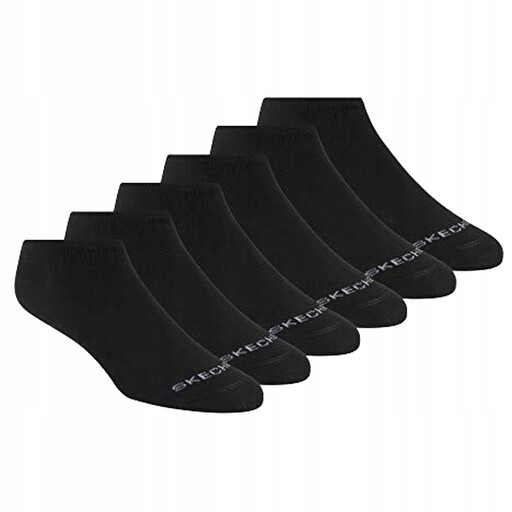
Why this product suits this profile: The 6-pack gives you several pairs of black cotton socks for everyday wear, leisure and frequent washing. The stated size covers EU 35 to 39.5.
The pack size makes it easier to change pairs, while the specific size range makes choosing a fit clearer than an imprecise one-size option.
100% cotton according to the product details, six pairs and a black colour that’s easy to match with everyday clothes.
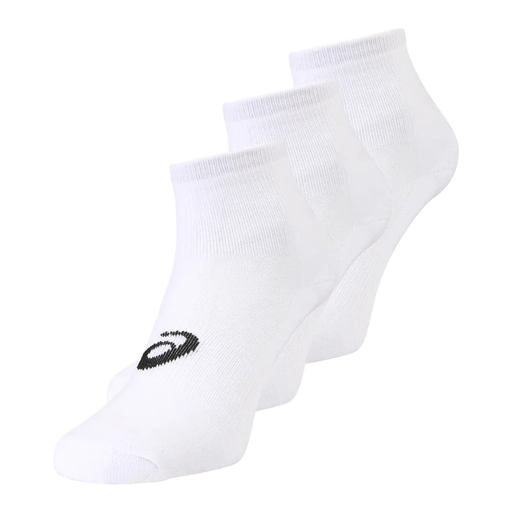
Why this product suits this profile: This unisex style is designed for training, running and fitness, with clear material details and several EU size ranges to choose from.
The composition lists all the main fibres, and the size guide distinguishes between S, M, L and XL with corresponding EU sizes.
Three pairs, quarter length, a cotton blend and machine washable at 40 °C according to the product details.

Why this product suits this profile: This style is aimed at men looking for socks for running, walking, training, long periods on their feet and everyday wear.
The reinforced heel and toe, along with a cushioned sole, help protect areas that typically see more wear. Check the size guide before buying to make sure shoe size L is right for you.
Six pairs, crew length, mesh and moisture management features, plus arch support according to the product description.
We’ve put together a complete, regularly updated list of products that meet these strict selection criteria and fully comply with the safety regulations in force in the EU.
Three pairs are enough for occasional wear or if you’re trying a style for the first time. If you change your socks every day and don’t want to do laundry too often, a 6- or 8-pack may be more practical. For children and people who play sport, several smaller packs are often easier to manage than one very large selection with inconsistent sizing.
Their lifespan depends on the material, friction, shoe fit, washing temperature and drying method. Reinforced heels and toes can help protect areas that typically see more wear, but they’re no substitute for the right shoe size. After washing, check whether the cuff has lost its stretch, the sole has become thinner or the seams are causing pressure points.
Cotton socks can work well for light activity and everyday wear. For more intense exercise, also look for moisture management, ventilation zones, cushioning and a secure fit. Depending on their construction, sports socks made with blended fibres may dry faster than styles with a very high cotton content. The specific material and care details remain the best guide.