
Lieferung heute & morgen

Qualitätsgarantie

Willkommens-Angebote freischalten: KOSTENLOSE Lieferung | Bis zu 80 % RABATT | Kostenlose 30-Tage-JoyPlus-Testphase
App herunterladen
A sofa bed combines somewhere to sit with a place to sleep, but the right choice can vary considerably depending on the room, mechanism and upholstery. For small flats, apartments, guest rooms or living rooms, a suitable model offers a flexible solution. However, unclear sleeping dimensions, difficult-to-use pull-out mechanisms and delicate upholstery often lead to disappointing purchases.
This buying guide explains which details really matter before you buy a sofa bed, and which models suit different living situations.
A 2-seater sofa bed may look compact in sofa mode, but need considerably more room when extended. If you’re buying a pull-out sofa bed, measure not only the sofa’s width and depth, but also the space needed in front of it when it’s made into a bed.
Also check:
Marketing terms such as ‘cloud sofa’ or ‘extra soft’ reveal little about the actual comfort of the seat or sleeping surface. What matters is how the upholstery is constructed, how well the foam retains its shape and, where relevant, whether it has a sturdy frame or spring core.
High-density foam may hold its shape better than very soft upholstery that is less resilient. That doesn’t automatically mean it will be equally comfortable for everyone, though. Check the technical details and choose a firmness that suits how you plan to use it.
Pets, children and everyday use place different demands on a sofa bed than occasional overnight stays. Chenille, cord and velour vary in feel, abrasion resistance and how easy they are to clean if stained. A removable cover is practical, but not every model has one.
Ideally, the weight limit should be given per seat or as a maximum static load for the whole sofa, rather than as a general figure. Follow the manufacturer’s instructions and don’t use the furniture as a climbing frame or for jumping.
For sofa beds for small rooms, compact 2-seaters, folding models or a daybed are good options. A corner sofa bed offers more seating, but takes up more floor space all the time. If you’re considering a corner sofa bed, check whether you need the ottoman on the left or right, and whether it can be positioned freely in the room.
Use masking tape to mark out the furniture on the floor. Mark both the sofa and bed positions so you can see early on whether it will block drawers, patio doors or walkways.
A sofa bed usually converts by pulling out, folding down or moving the seat cushions. A pull-out mechanism on castors can make it easier to use, but needs a level floor. For a folding sofa bed, check whether the backrest has several positions and can be laid completely flat.
For regular use, the sleeping surface should be as level as possible. For occasional guests, a more compact guest bed that provides a temporary sleeping space may be enough. Before you buy, check whether the stated sleeping area is designed for one or two people.
Cord, chenille and velour feel different and respond differently to friction. Hard-wearing, easy-to-clean surfaces are a sensible choice for homes with pets. Regularly remove dust using a suitable upholstery attachment, and treat stains according to the relevant manufacturer’s care instructions.
For products with foam, a spring core or a metal frame, compare the specific product details. These might include the maximum weight limit, number of reclining positions, frame material or dimensions in sofa and bed mode. Such details are more useful than general claims such as ‘durable’ or ‘extra sturdy’.
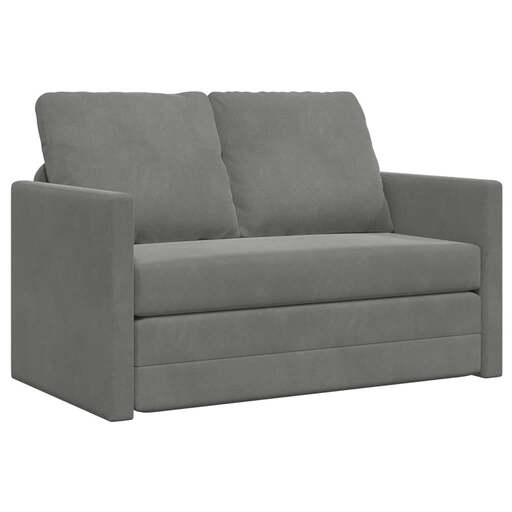
Why this product suits you: This compact 2-seater sofa bed converts into a double bed by folding down the seat cushions. It’s designed for living rooms, studios or student rooms.
The product details specify the seat and sleeping dimensions, a maximum load of 110 kg per seat, and the materials used for the cover, foam and frame.
Velour cover, metal frame, extra cushions and a stated sleeping area of 122 × 204 cm.
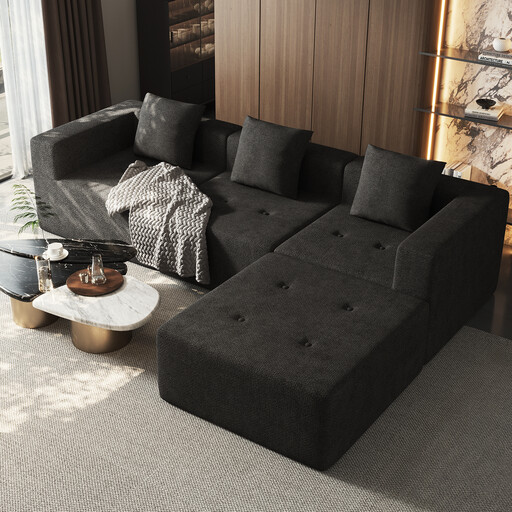
Why this product suits you: This corner sofa bed is designed for households that need generous seating and sleeping space, along with a flexible room layout.
The seat construction, with individually responsive pocket springs, is clearly described. The overall dimensions and sleeping area are also provided.
258.5 cm wide, 160 cm deep, with a chenille cover, large ottoman and a 24-month warranty, according to the product details.

Why this product suits you: Designed for apartments, guest rooms and flexible living spaces, this model has a continuously adjustable backrest and side pockets.
It converts using a pull-out mechanism on castors. The sofa and bed dimensions are listed separately, as is the fact that it arrives in two packages for assembly.
Sleeping area of 184 × 132 cm, steel frame, stated weight limit of up to 360 kg and cord cover.
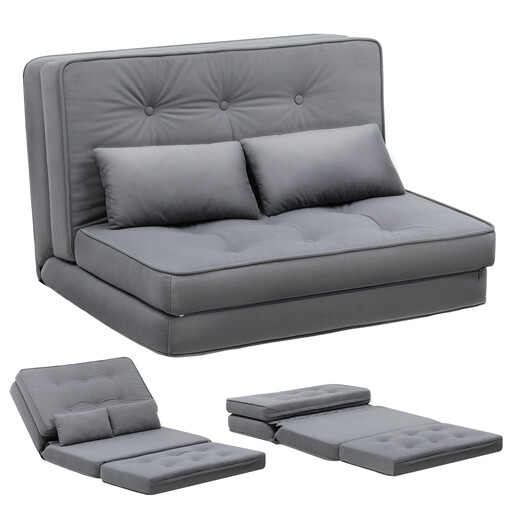
Why this product suits you: This compact folding sofa bed is suited to student flats, home offices and guest rooms, as well as situations where you need to move the furniture around easily.
The six backrest positions make it clear how the sofa can be used. The metal frame, removable cover and 9 kg weight are also specified.
Adjustable from 90 to 180 degrees, compact dimensions of 90 × 53 × 57 cm, and a linen cover that can be removed.
We’ve put together a complete, regularly updated list of products that meet these strict selection criteria and fully comply with the safety regulations in force in the EU.
It depends on the construction, sleeping area and upholstery. If you plan to sleep on it every night, pay particular attention to a level surface, sufficient width, a sturdy frame and suitable mattress or upholstery specifications. Many models are designed primarily as sofas, with an occasional sleeping or guest-bed function.
As well as the sofa’s external dimensions in seating mode, you’ll need space for the extended sleeping area and clear access. Measure the maximum depth in bed mode and leave enough room to move around. If you’re looking at a corner sofa bed, you’ll also need to consider the position of the ottoman.
Vacuum the cover regularly using an upholstery attachment and deal with stains promptly, following the care instructions. Avoid harsh cleaning products and soaking the fabric. If the cover is removable, follow the manufacturer’s guidance on washing temperature and drying.