
Lieferung heute & morgen

Qualitätsgarantie

Willkommens-Angebote freischalten: KOSTENLOSE Lieferung | Bis zu 80 % RABATT | Kostenlose 30-Tage-JoyPlus-Testphase
App herunterladen
A sofa bed combines a living-room sofa with a guest bed. It sounds practical, but it’s easy to make the wrong choice: a generous seat may offer too little sleeping space when unfolded, an inexpensive cover may be vulnerable to pet claws, and a corner sofa bed may not fit through your door or up the stairs.
This buying guide explains which details really matter and what to check before you buy.
When choosing a sofa bed, there are at least three key measurements to consider:
A sofa bed for a small room may seem space-saving in everyday use, but often needs considerably more room when unfolded. So measure doorways, radiators, windows and walkways before ordering. With corner sofas, you’ll also need to consider which side the chaise longue is on.
A very soft seat isn’t necessarily suitable for sitting for long periods or for occasional overnight stays. Details about the upholstery, frame and conversion mechanism are more useful. Models with foam, spring interiors or a combination of both can feel very different to sit on.
The height of the sleeping surface matters too. A low folding sofa is easy to move, but may be less comfortable to get up from. If you’re buying it as a guest bed, check that the sleeping surface is level and that there isn’t a gap between the cushions when it’s pulled out.
Corduroy, chenille, velvet-look and linen-look fabrics differ in feel and care requirements. Households with children or pets should look for a tightly woven surface, check the cleaning instructions and make sure the fabric can be spot-cleaned. A high level of abrasion resistance is only meaningful if the manufacturer provides a measured value, such as Martindale cycles.
If the covers are removable, check whether they’re actually machine washable. If this isn’t specified, only use the cleaning method recommended by the manufacturer.
For a classic corner sofa bed, the overall width and depth are key. A model around 247 to 258 cm wide is more suited to a larger living room. Compact options around 124 to 160 cm wide are a better fit for studio flats, guest rooms or home offices.
Measure more than just the floor space the sofa will occupy. Check:
A pull-out sofa is usually converted into a bed using castors or a pull-out mechanism. With a folding sofa, the backrest is lowered; some 3-in-1 sofas also offer several reclining positions.
Look for:
A sofa bed isn’t automatically designed for everyday sleeping. If you intend to use it mainly as a bed, give greater weight to sleeping comfort, mattress construction and ventilation than to decorative details.
A sofa bed with storage gives you room for blankets, cushions or bedding. Check how the storage compartment opens and whether the lid lifts far enough. Don’t overfill the storage space on models with hydraulic supports or a folding mechanism.
Specific material details can also help you understand how a sofa is built. MDF, chipboard, solid wood, metal frames, T30 foam, high-density foam and pocket springs all describe aspects of its construction. A 24-month guarantee is useful product information, but it doesn’t replace comparing dimensions, weight limits and care instructions.
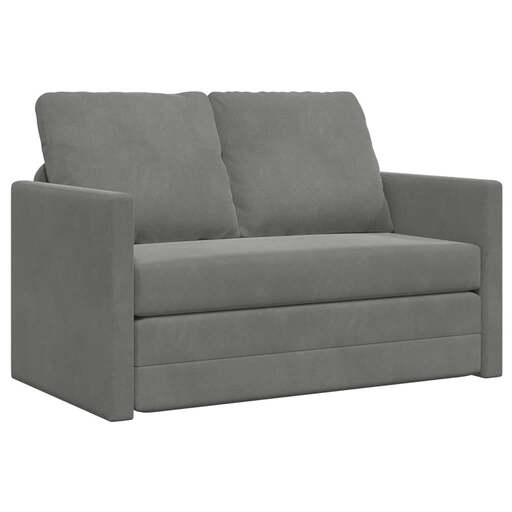
Why this product suits this profile: Its compact design makes it suitable for student rooms, studio flats, home offices or occasional overnight guests.
The product details specify the seat and bed dimensions, a metal frame and a maximum weight capacity of 110 kg per seat. This makes it easier to assess the space required and how the sofa can be used.
Converts from sofa to bed by rearranging the seat cushions; unfolded sleeping area measures 122 × 204 cm.
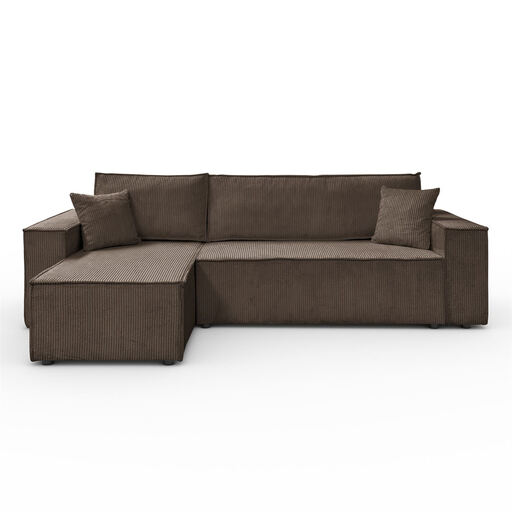
Why this product suits this profile: This large corner sofa combines seating, a sleeping area and storage, and is designed for a spacious living room.
The specified sleeping area of 200 × 130 cm, storage compartment and chaise longue that can be fitted on either the left or right make key planning details clear.
Zigzag springs and T30 foam according to the product details; upholstery fabric with a stated rating of over 35,000 Martindale cycles.

Why this product suits this profile: Its pull-out design and adjustable backrest make it suitable for small flats, guest rooms and flexible everyday use.
The sleeping area measures 184 × 132 cm. The product comes in two separate packages and includes assembly information, making it easier to check room size, access routes and set-up requirements.
Adjustable backrest from 90 to 180 degrees; stated maximum total weight capacity of 360 kg.
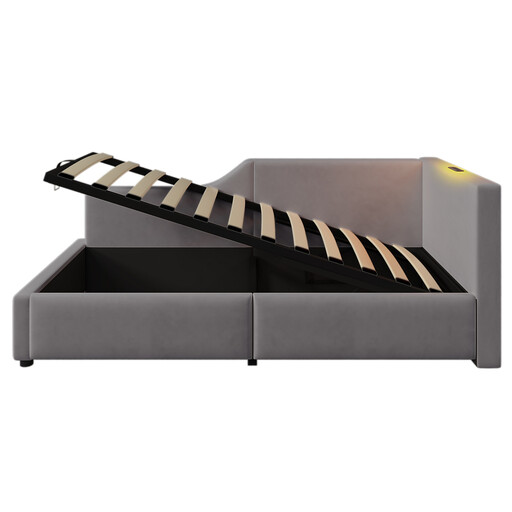
Why this product suits this profile: This day bed is designed for children’s and teenagers’ rooms, guest rooms or spaces with limited floor area.
The product description gives the overall dimensions, notes that it comes in two packages and requires assembly, and specifies the storage space beneath the slatted base. This makes important set-up details and potential extra costs easier to spot.
Hydraulically accessible storage; integrated reading light and USB-C charging port according to the product details.
We’ve put together a complete, regularly updated list of products that meet these strict selection criteria and fully comply with the safety regulations in force in the EU.
Before using your sofa for the first time, read the assembly instructions, weight limits and guidance on unfolding it. Make sure moving mechanisms are not blocked. Heavy corner sofas usually require two people to move and assemble them.
Care instructions vary depending on the upholstery:
As well as the stated sleeping area, allow extra room to move around. Depending on the mechanism, the sofa may pull forwards, lower down or fold out. Leaving a gap of several centimetres between the sofa and other furniture makes it easier to use and helps prevent damage to walls and furnishings.
Its lifespan depends on how often it’s used, as well as the frame, upholstery, mechanism and care. A guest bed used only occasionally has different demands placed on it from a living-room sofa used for sleeping every day. Useful buying criteria include specific material details, weight limits, guarantee information and maintenance advice.
It depends on the room’s actual dimensions. A compact corner sofa can combine seating and sleeping functions, but its depth and chaise longue often mean it takes up more floor space than a straight sofa bed. In smaller rooms, a pull-out 2-seater sofa, folding sofa or modular sofa with clearly stated individual dimensions is often easier to plan around.