
Lieferung heute & morgen

Qualitätsgarantie

Willkommens-Angebote freischalten: KOSTENLOSE Lieferung | Bis zu 80 % RABATT | Kostenlose 30-Tage-JoyPlus-Testphase
App herunterladen
Choosing the right seating for your home can be a challenge. The market is filled with options that appear stylish and functional at first glance. However, appealing product photos often hide flaws that only become apparent with daily use. A wobbly chair, a quickly worn-out cover, or an uncomfortable sitting posture are common consequences of an uninformed purchase. This guide will help you identify the crucial features and make a choice based on durability and practical value.
Before you make a decision, it's important to know the typical weaknesses that often only become visible after a few months of use.
To avoid the pitfalls mentioned above, you should focus on objective and measurable criteria. These three parameters are central to the longevity and functionality of your seating.
The foundation of any good piece of seating is its frame. Pay attention to the material specifications to assess its stability.
The comfort and durability of a seat depend heavily on its cover and the underlying padding.
A good piece of seating adapts to you, not the other way around.
Instead of general recommendations, we present specific models tailored to particular user profiles and their requirements.
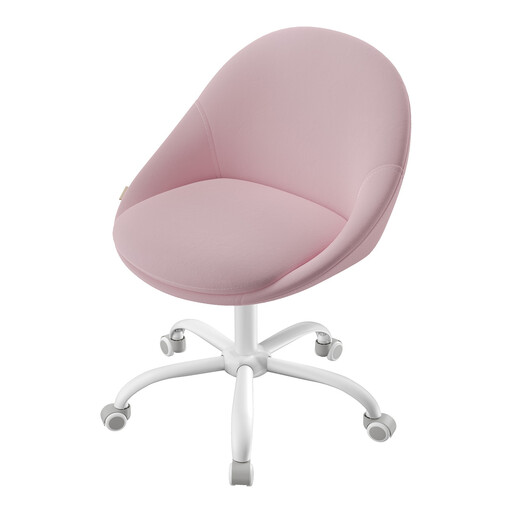
Why it's a great fit: Ideal for a first apartment or a teenager's room where one piece of furniture needs to serve multiple functions. It works as a desk chair but also fits perfectly as a modern vanity chair in the bedroom.
The steel frame and maximum static load capacity of 110 kg counteract the problem of instability. The armless design is not just a style feature but also makes the chair space-saving and practical.
The combination of height adjustability, a compact form, and versatile use makes it a smart solution for small spaces.
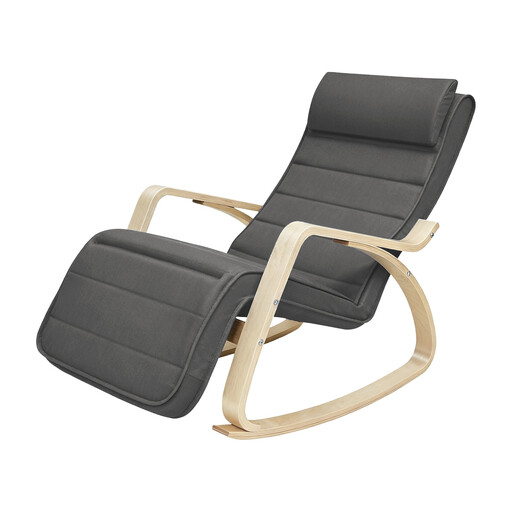
Why it's a great fit: Perfect for anyone looking to create a dedicated relaxation spot in their living room or bedroom. The focus is clearly on ergonomic comfort for reading or quiet moments.
It directly addresses the ergonomics problem with a 5-level adjustable footrest and a removable headrest. The sturdy construction of birch wood and a metal frame with a 150 kg load capacity prevents instability.
The customisable comfort from the adjustable footrest is a clear standout feature. The cotton cover is also removable and washable, which simplifies maintenance.
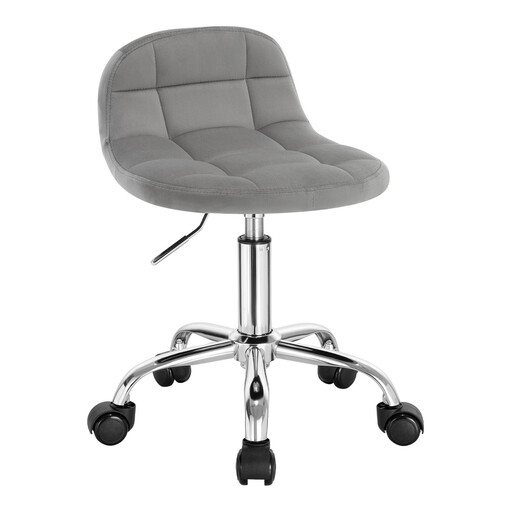
Why it's a great fit: For the home office, beauty studio, or hobby room where mobility and quick adaptability are essential. This rolling stool can be moved effortlessly between different workstations.
The robust, chrome-plated metal base with a load capacity of 120 kg ensures the necessary stability. The floor-friendly PU castors and 360° swivel function make it a highly practical and flexible piece of furniture.
Maximum mobility and flexibility. The stepless height adjustment (56.5–68 cm) and smooth-running castors allow for quick adaptation to any work situation.
We have compiled a complete, up-to-date list of products that fully meet these strict selection criteria and German safety regulations.
1. How do I care for different upholstery fabrics on seating? The proper care depends on the material. Faux leather can be easily wiped clean with a damp cloth. Fabric covers like cotton or chenille should be vacuumed regularly; on many models, the covers are removable and machine-washable (check the manufacturer's instructions). For velvet, gentle cleaning with a soft brush in the direction of the pile is recommended.
2. What does the maximum load capacity of a chair mean, and why is it important? The maximum load capacity indicates the maximum weight for which the chair is designed and safety-tested. This value is an important indicator of the product's robustness and longevity. Exceeding it can lead to material fatigue and instability. A chair with a higher load capacity is generally made from more durable materials.
3. Do I need a special floor mat for a stool with castors? Modern stools with castors are often equipped with soft PU castors that are suitable for most floor types, such as laminate, tile, or short-pile carpet, and are designed to protect them. For very sensitive floors like softwood parquet or cork, an additional floor protection mat can still be a good idea to prevent scratches or scuff marks in the long term.