
Lieferung heute & morgen

Qualitätsgarantie

Willkommens-Angebote freischalten: KOSTENLOSE Lieferung | Bis zu 80 % RABATT | Kostenlose 30-Tage-JoyPlus-Testphase
App herunterladen
A sofa protector helps shield upholstery from stains, pet hair and everyday wear. In practice, however, the wrong purchase is often down to more than price: incorrect measurements, fabric that slips or a complicated cleaning routine can all be an issue. Check a few key details before you buy to narrow down your options.
A large couch cover won’t automatically fit every sofa. Covers made to fit individual seats, back cushions or armrests are often a better choice. A sofa cover that’s too small won’t fully protect the areas that get the most use. One that’s too large may crease and slip out of place when you sit down.
The term non-slip sofa cover doesn’t tell you much about how well the cover will stay in place. What matters is whether the fabric has a textured surface and is suitable for the way you plan to use it. A seat cover has different requirements from a sofa armrest cover, which is more exposed to sideways movement.
Not every washable furniture cover can be cleaned in the same way. Chenille, cotton and polyester may each have different care requirements. Before buying, check the washing temperature, drying instructions, stain treatment advice and any restrictions. If pets will be using the furniture, a cover that’s easy to remove and wash is especially practical.
Measure the area you want to protect, including its depth and width. Common sizes for individual cushions include 45x45 cm cushion covers and 30x50 cm cushion covers. A seat, for example, could be covered with a 70 × 120 cm protector. Depending on the model, armrest covers are available in 70 × 70 cm or 90 × 90 cm.
Also check whether the cover is designed to sit on top of the furniture or wrap around the whole sofa. Individual covers can be placed where they’re needed and don’t necessarily have to cover the back or sides.
A chenille sofa cover has a textured, woven surface. The ochama models mentioned here are made from chenille and, in some cases, cotton. A polyester fleece cover may feel softer and warmer, but is designed more as a flexible throw or furniture protector.
Always check the material against the care label. If you have delicate upholstery, it’s also a good idea to test the product on an inconspicuous area first, particularly when using liquid cleaning products.
Check whether the cover is suitable only for spot cleaning or can also be machine washed. For chenille covers, cleaning with a damp cloth and mild detergent is recommended; machine washing may be possible in line with the product information and care label. Avoid bleach and abrasive cleaners.
Keep all the covers mentioned here away from naked flames and intense heat. This also applies to fleece products. In homes with children or pets, keep loose packaging and small parts out of reach.
The models below vary in size, material and intended use. Details are based on the respective product descriptions.

Why this product suits you: This individual cover is a good option for households looking to protect a well-used seat without covering the whole sofa.
The clearly stated 70 × 120 cm size reduces the risk of buying a universal cover that doesn’t fit the seat.
An individual cover for targeted protection; the product name indicates a non-slip design.

Why this product suits you: This size is suitable for square seat or decorative cushions where you want a textured cover with clearly defined dimensions.
The 45 × 45 cm size and textured surface are clearly specified, so you don’t have to judge the dimensions from the photo alone.
Chenille and cotton fabric; the square size suits sofa cushions, chair pads or smaller seating areas.
Why this product suits you: This model is designed for households where armrests are subject to heavy use from hands, pets or everyday wear.
The 70 × 70 cm dimensions are specified for an armrest, so you’re less likely to mistake it for a seat cover.
Chenille fabric with a herringbone texture; the product description specifies a non-slip design and machine washing in accordance with the care label.
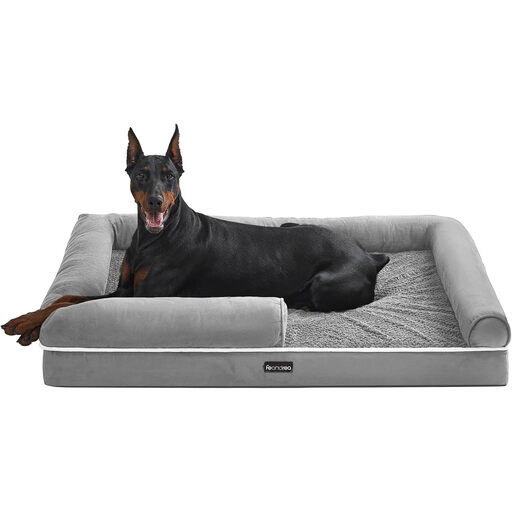
Why this product suits you: This dog sofa provides a separate sleeping area with raised sides, a removable cover and a non-slip base, making it suitable for use in the living room.
The dimensions, recommended maximum weight of 45 kg and instructions for allowing the bed to expand all help you check the size before buying.
Removable, machine-washable cover; non-slip base; product details specify a foam and PP cotton filling.
We’ve put together a complete, regularly updated list of products that meet these strict selection criteria and the safety regulations in force in the EU.
First, clean and measure the seat thoroughly. Place the cover centrally, then tuck any excess fabric into the gaps between the seat and backrest. For individual cushion or armrest covers, the fit is key. A textured surface can help keep the cover in place, but it won’t make up for choosing the wrong size.
Its lifespan depends on the material, friction, how often it’s washed and contact with pets. Chenille and polyester covers can last longer if you follow the care instructions. Visible wear, loose seams or areas that keep slipping are signs that it may be time for a replacement.
A washable cover can make cleaning easier, but it won’t automatically remove pet hair. Vacuum or brush off loose hairs before washing. Also check whether the cover is fully removable and what washing temperature is specified on the care label.