
Lieferung heute & morgen

Qualitätsgarantie

Willkommens-Angebote freischalten: KOSTENLOSE Lieferung | Bis zu 80 % RABATT | Kostenlose 30-Tage-JoyPlus-Testphase
App herunterladen
The selection of soft drinks in supermarkets and online is enormous. But behind colourful labels and tempting advertising promises, there are often pitfalls that lead to disappointment and unnecessary expense. As a Joybuy Product Recommendation Officer, I'll help you separate the wheat from the chaff and make an informed decision that fits your lifestyle.
Many consumers reach for products that don't deliver on their promises. Watch out for these three typical marketing traps:
To avoid these traps, you should check three core aspects before purchasing. These will help you objectively evaluate the quality and true value of a soft drink.
Distinguishing between different types of sweeteners is fundamental.
The ingredients list provides information about the actual composition.
The choice of packaging should suit your needs.
Instead of making a blanket recommendation, we have identified products that meet specific needs and avoid the pitfalls mentioned.
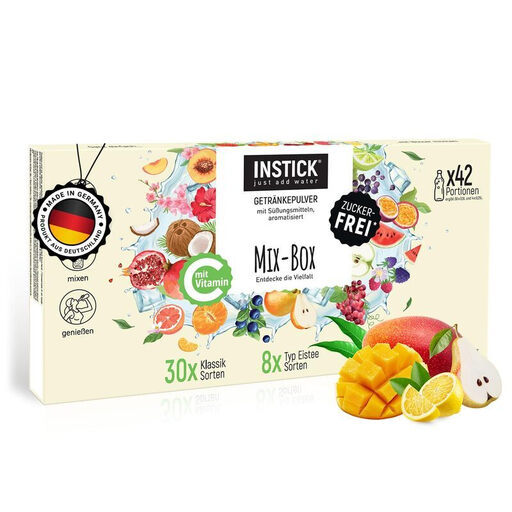
Why This Fits Their Persona: Ideal for anyone looking for variety without sugar. The convenient sticks are perfect for on the go, at the office, or during sports, allowing you to quickly turn water into a tasty, low-calorie drink.
The product is explicitly declared as a sugar-free drink powder. The mix-box with 42 varieties bypasses the false yield trap, as you can find your favourite flavour and ideal intensity before buying a large pack.
Huge variety of flavours in one set. The sticks are extremely portable and allow for flexible dosing according to taste preference. Made in Germany.
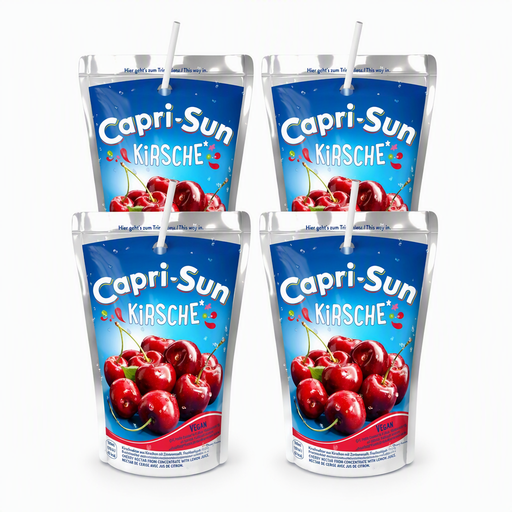
Why This Fits Their Persona: The bulk pack with 40 drink pouches is a practical solution and a favourite among children. The spill-proof pouches are ideal for school breaks, outings, or sports clubs.
This product avoids the misleading fruit imagery trap by clearly stating the fruit juice content (10% according to the manufacturer). The ingredients list is transparent, and the price per serving is clearly calculable thanks to the bulk pack.
Convenient, pre-portioned units. A flavour popular with children. According to the manufacturer, it contains no artificial colours, flavours, or preservatives.
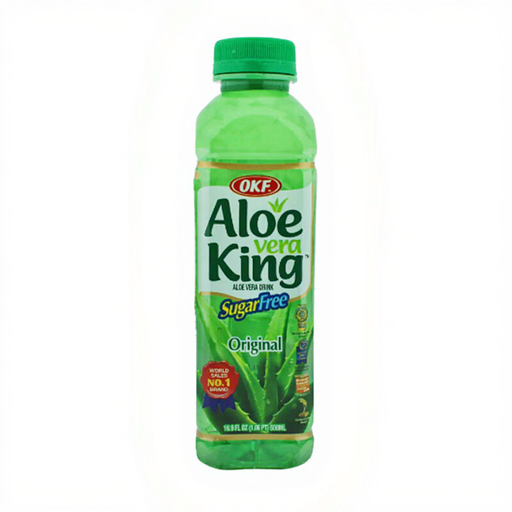
Why This Fits Their Persona: For those seeking a change from classic sodas or juices. The Aloe Vera drink offers a unique texture with real pulp pieces and a refreshing taste, available here in the sugar-free version.
This product avoids the "Sugar-Free" illusion as it is explicitly labelled as sugar-free and contains 0 kcal according to the nutritional information. The focus is clearly on the main ingredient, Aloe Vera (30% according to the manufacturer), not on vague fruit promises.
Unique texture from real aloe vera pieces. Completely sugar- and calorie-free. The 20-unit bulk pack is ideal for stocking up at home.
We have compiled a complete, up-to-date list of products that fully meet these strict selection criteria and German regulations.
1. How long do drink syrups and powders last after opening? The shelf life varies by manufacturer and product. Drink syrup should generally be stored in the refrigerator after opening and consumed within 4 to 8 weeks. Drink powder, when stored in a cool, dry place, lasts much longer, often for several months, as long as no moisture gets in. Always check the information on the packaging.
2. What is the difference between "sugar-free" and "no added sugar"? These terms are legally defined. "Sugar-free" means the product contains no more than 0.5 g of sugar per 100 ml or 100 g. "No added sugar" means that no sugar (sucrose, glucose, fructose, etc.) or sugary ingredients like honey or syrup have been added to the product. However, it can contain naturally occurring sugars, as is the case with fruit juices.
3. Is it worth ordering soft drinks in bulk packs online? For many households, ordering drinks online is a significant convenience. In particular, heavy bulk packs with glass bottles or cans no longer need to be carried home. In terms of price, online offers can often compete with or even beat brick-and-mortar stores, especially for larger quantities. It's worth comparing the cost per litre or per unit and factoring in delivery costs.