
Lieferung heute & morgen

Qualitätsgarantie

Willkommens-Angebote freischalten: KOSTENLOSE Lieferung | Bis zu 80 % RABATT | Kostenlose 30-Tage-JoyPlus-Testphase
App herunterladen
A soft toy is often more than just a toy—it's a loyal companion, a sleep aid for a baby, or a decorative feature in a teenager's room. But the market can be overwhelming, and not every plush toy lives up to its promise. Many buyers discover only after a short time that the quality is poor, the material raises concerns, or the design is unsuitable for its intended purpose. This guide will help you navigate the common pitfalls and make an informed decision.
Before you choose a model, you should be aware of three common problems that often lead to disappointment:
To avoid a bad purchase, focus on a few crucial features. These objective criteria will help you assess the quality of a soft toy, regardless of marketing promises.
Material and Certification: The material is fundamental to safety and feel. High-quality polyester is a common choice as it is durable, easy to care for, and often suitable for allergy sufferers. Always look for the CE mark, which confirms that the product meets EU requirements. For baby toys, additional certifications like OEKO-TEX are an indicator of textiles tested for harmful substances. For toys intended for children under three, faces and details should be embroidered, not glued, to minimise the risk of choking.
Construction and Care: High-quality craftsmanship is evident in the details. Sturdy, ideally double-stitched seams ensure the stuffed animal can withstand even intense play. A critical factor for hygiene is washability. Check the care label: is the soft toy machine washable, ideally at 30°C? For musical toys or those with electronic components, the module should be easily removable for cleaning.
Age-Appropriate Design: Form follows function. For newborns, a light, flat comforter or a small soft doll with no loose parts is ideal. Toddlers enjoy classic plush toys for grasping and cuddling. For teens and young adults looking for a decorative companion, stylized figures in the Kawaii decor style are often a better choice.
Here are some recommendations tailored to different user profiles, all of which meet the criteria mentioned above.
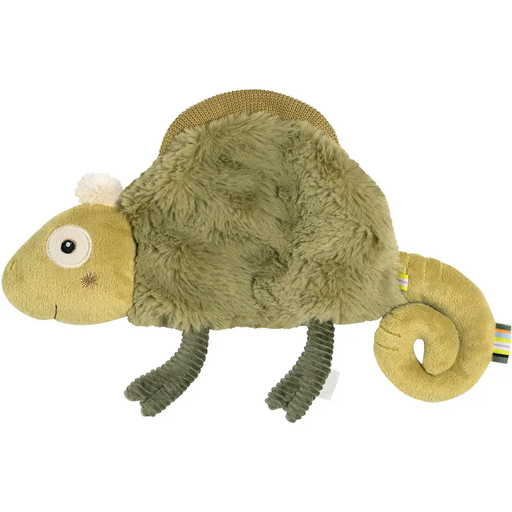
Why This Fits Their Persona: Ideal for parents looking for a first, safe baby toy. It combines the function of a comforter with that of a playmate and is specially designed for newborns.
It is explicitly designed for the 0+ months age group and is made from various soft fabrics with no small parts that could be swallowed. Being washable at 30°C ensures hygiene and bypasses the problem of poor maintenance.
Multifunctional as a toy and sleep aid; promotes sensory development with its different textures.
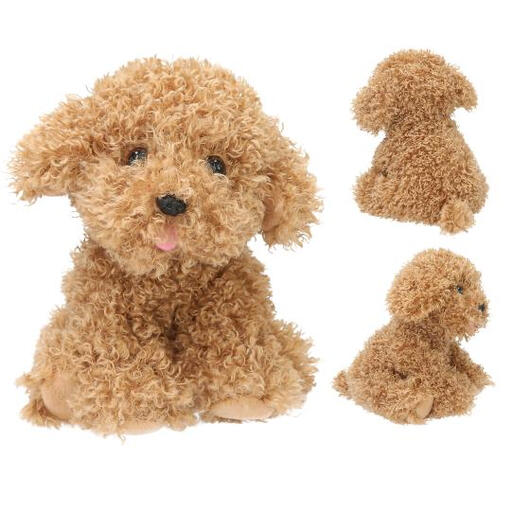
Why This Fits Their Persona: Perfect as a gift for children who want a classic yet characterful playmate. Its compact size makes it the ideal travel companion.
The product description explicitly states the age rating of 3+ years due to small parts (button eyes), proactively addressing the safety issue. The 100% polyester construction and solid seams stand for durability.
Appealing design from a well-known series (TOPModel); soft, curly plush material for a pleasant feel.
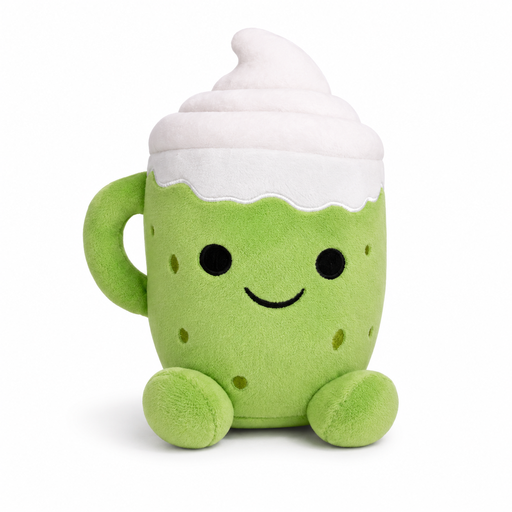
Why This Fits Their Persona: For teens and young adults looking for a unique decorative object with personality. This mug-designed plush toy is an eye-catcher on any desk or shelf.
The clear focus on decoration and the Kawaii style avoids the pitfall of an unsuitable design. The description highlights the high-precision embroidery of the facial features, indicating good craftsmanship.
Unique, creative design; versatile as a desk buddy, decoration, or collector's item.
We have compiled a complete, real-time list of products that fully satisfy these strict selection criteria and UK safety regulations.
1. How can I identify non-toxic soft toys? Look for the CE mark, which confirms compliance with EU safety standards like EN 71. Additional certificates such as OEKO-TEX Standard 100 provide further assurance regarding materials tested for harmful substances. For toys intended for children under 36 months, details like eyes and noses should always be embroidered, not made of plastic parts that could detach.
2. How often should you wash stuffed animals? The frequency depends on usage. A comforter that a baby has with them constantly should be washed weekly or every two weeks for hygiene reasons. A purely decorative item needs cleaning less often. Always follow the manufacturer's care instructions on the label. Most high-quality plush toys are machine washable at 30°C on a gentle cycle.
3. From what age is a soft toy appropriate? Simple, light, and flat soft toys or comforters are suitable from birth (0+ months). They offer a sense of security and encourage the grasping reflex. Larger and heavier stuffed animals or those with more complex details are generally recommended for children aged 12 months or older. The manufacturer's age recommendation is an important guideline.