
Lieferung heute & morgen

Qualitätsgarantie

Willkommens-Angebote freischalten: KOSTENLOSE Lieferung | Bis zu 80 % RABATT | Kostenlose 30-Tage-JoyPlus-Testphase
App herunterladen
Soft toys can be playmates, decorations, presents or bedtime companions. However, there are clear differences between cute plush toys, licensed characters and technical sleep aids. An appealing appearance alone says little about age suitability, care requirements, material or everyday practicality.
If you are looking for a soft toy for children, you should therefore avoid three common purchasing misconceptions:
The age recommendation on the packaging and product page is a key safety parameter. A baby soft toy should not contain easily detachable small parts and should be suitable for the child’s particular stage of development. Labelling is especially important for characters with plastic eyes, plastic hands or decorative accessories.
According to the product information, the Monchhichi Baby Monkey, for example, is intended for children aged 3 and over. Several Sorgenfresser models are also aimed at children aged 36 months and over. This means that such soft toys are not suitable for babies, even if the material is soft.
A visible CE mark indicates compliance with relevant EU requirements. However, it is not a seal of exceptional quality and does not replace checking the age recommendation, stitching and small parts.
With plush toys, the outer material and filling are crucial for how they feel and how easy they are to care for. Polyester fibres are often used. According to the product information, the Teddy Hermann Sitting Rabbit uses recycled polyester as filling material. This may appeal to shoppers looking for a more sustainable soft toy. Nevertheless, the term “sustainable” should not be interpreted too broadly: recycled filling describes one specific component, not automatically the product’s overall environmental impact.
The washing instructions also deserve careful attention:
A soft toy that is taken out regularly should be as easy to clean as possible. For decorative soft plush characters, gentle surface care may be sufficient.
The right size depends on where the soft toy will be used. A soft toy gift measuring around 16 to 25 cm is usually easy to carry and can be placed on a shelf or bedside table. Larger models offer more space for cuddling, but also require more storage room.
For a children’s sleep aid, additional features may also be relevant: a night light, sounds, movement or particularly soft material. Electronic features can make everyday life more enjoyable, but they also involve changing batteries, specific cleaning requirements and additional supervision responsibilities.
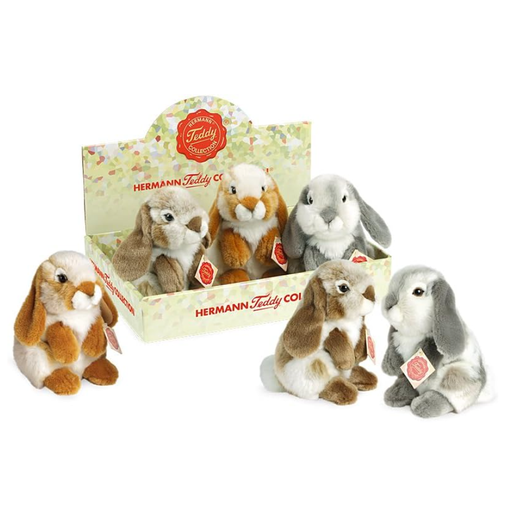
Why this product suits this profile: The sitting rabbit combines a classic design with a manageable size and, according to the product information, is suitable for children aged 18 months and over.
The stated age recommendation and safety confirmation in the product description make it easier to assess its suitability. The care instructions specify exact washing conditions.
Recycled polyester filling according to the product information; machine washable at 30 °C on a gentle cycle.
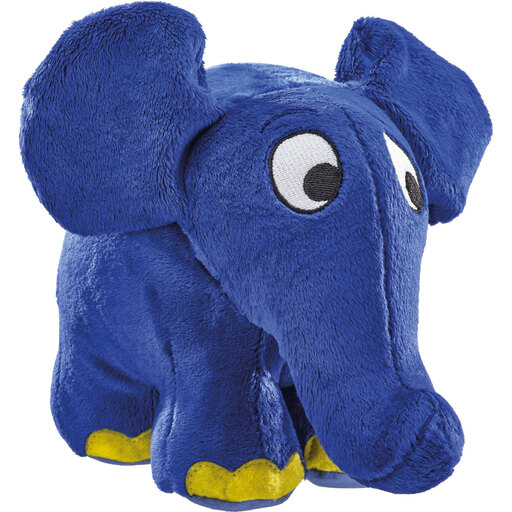
Why this product suits this profile: The compact character is described as a soft companion for children aged 3 and over, and fits easily in a child’s bedroom, bag or luggage.
The product description states the age recommendation, dimensions of 16 × 22 cm and suitability as a portable companion. This makes it easier to assess how it can be used before buying.
Washable plush material according to the product description; no batteries or interactive features required.
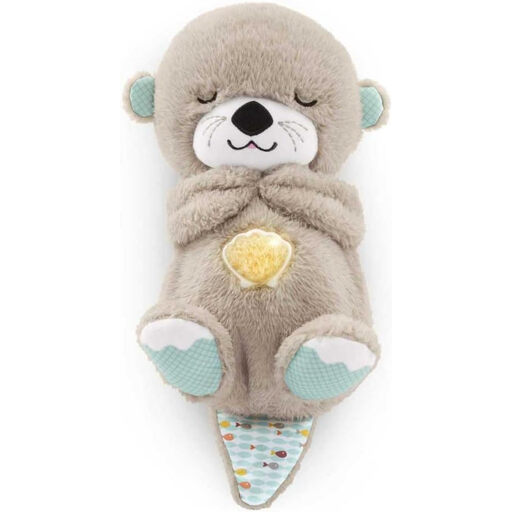
Why this product suits this profile: The otter combines plush material with rhythmic movement, selectable sounds and a night light. It is designed for families specifically looking for technical features.
The product information specifies the power supply, the operating time of the sound functions and the need to remove the electronic unit before washing.
Up to 30 minutes of selectable sounds; plush part machine washable after removing the electronic module.
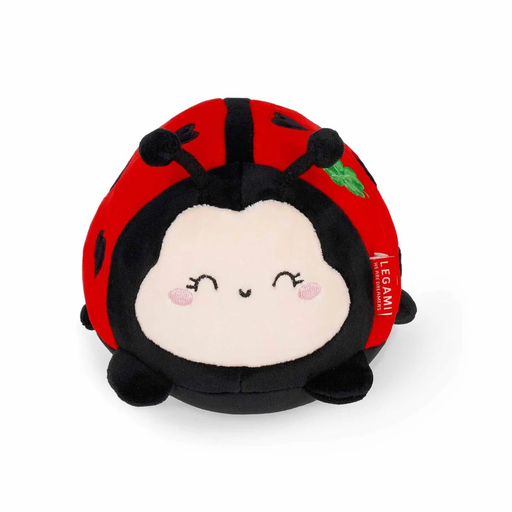
Why this product suits this profile: The small ladybird character is suitable as a small present, decoration or personal gift with a writable ID card.
Its small size makes the intended use as a decoration or small gift clear. The safety information expressly refers to possible small parts.
12 cm high; embroidered facial features and a writable card for a personal presentation.
We have put together a complete, regularly updated list of products that fully meet these strict selection criteria and the safety regulations applicable in the EU.
A Sorgenfresser can be used as a playful conversation ritual. With the Schmidt Worry Eater Junior Pat or Molly, worries are written down or drawn and then placed in the zippered mouth. This is a symbolic act and does not replace support from adults or professional help.
For babies, choose products without loose details and with a clear age recommendation. Electronic models such as the Fisher-Price Soothe and Settle Bunny require batteries and must only be used according to the instructions. For older children and collectors, characters such as Monchhichi, Squishmallows Stitch or themed Christmas characters may be more appealing.
The key factors are the specific age recommendation, secure stitching and the absence of easily detachable small parts. According to the product information, a model such as the Teddy Hermann Sitting Rabbit is intended for children aged 18 months and over. Always check the labelling directly on the product in question.
This depends on the material and how it is used. With daily use, regular checks for dirt, loose stitching and damaged parts are recommended. The care instructions take priority: some plush toys are machine washable, while others may only be cleaned on the surface.
Traditional soft toys generally have no ongoing energy costs. Electronic models, however, require batteries. Depending on the product, there may also be care and replacement costs. Before buying, you should therefore consider the battery type, washing instructions and how accessible the electronic module is.