
Lieferung heute & morgen

Qualitätsgarantie

Willkommens-Angebote freischalten: KOSTENLOSE Lieferung | Bis zu 80 % RABATT | Kostenlose 30-Tage-JoyPlus-Testphase
App herunterladen
A solar battery stores surplus solar electricity so you can use it later. In practice, however, the stated capacity isn’t the only factor that determines whether a battery is right for you. A battery that’s too large may rarely reach a full charge when paired with a small solar panel system. On the other hand, a small battery may not be enough if you use a lot of electricity in the evenings.
For households, campers, motorhomes and boats, three common buying mistakes are particularly worth avoiding:
Capacity is measured in Wh or kWh. A 2 kWh battery can theoretically store 2 kWh of energy. But you also need to consider its discharge power, measured in watts. A unit with a low output may power a fridge or router, but might not be suitable for heaters, pumps or several household appliances at once.
As a rough guide:
The right size depends on your daily energy use, solar generation and how long you want to use stored electricity. Being able to store solar power doesn’t automatically mean your household will be completely independent of the grid.
A LiFePO4 solar battery uses lithium iron phosphate cells. This chemistry is used in many modern solar storage systems. Important specifications include the nominal voltage, permitted voltage range, charge and discharge currents, and the number of charge cycles stated by the supplier.
An integrated BMS (Battery Management System) should help protect against overcharging, deep discharge, overcurrent, short circuits and excessive temperatures. For 12V systems used for camping, marine applications or small off-grid installations, check whether multiple batteries can be connected in series or in parallel. Some 12V LiFePO4 batteries can be combined into a 24V or 48V system, but only in line with the relevant manufacturer’s instructions.
A 48V battery storage system can reduce the current on the low-voltage side at higher power levels. On its own, however, this doesn’t tell you whether the complete system is suitable. The inverter, cable cross-sections, fuses and communication connections all need to be compatible.
Buying an expandable battery storage system can make sense if your electricity use is likely to increase. The key question is whether the expansion is officially approved for the main unit. An expansion battery from a different product range or brand is generally not a safe alternative.
Also check:
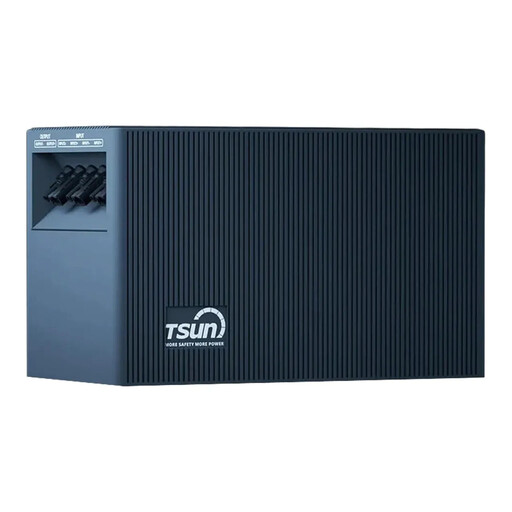
Why this product suits this use case: This 2 kWh system is designed for balcony and home solar panel installations, and can be expanded to up to 10 kWh, according to the product information. Dual MPPT inputs and a Smart EMS help integrate it with compatible solar panel systems.
System compatibility is clearly specified, so you can check before buying whether the solar panel output, DC voltage range and expansion modules are compatible.
2 kWh storage capacity, up to 2,400 W solar input according to the product data, and an IP65 enclosure.
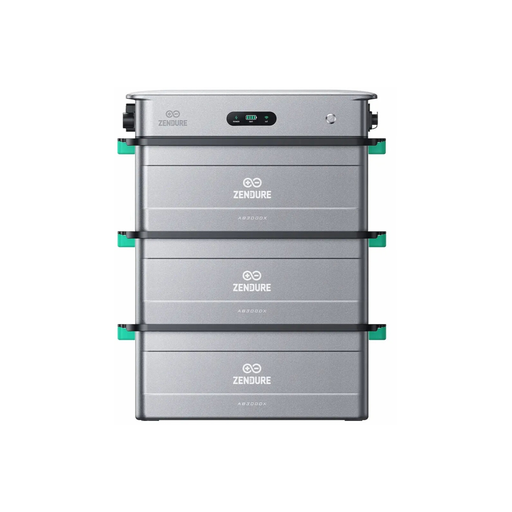
Why this product suits this use case: This bundle combines a SolarFlow 2400 AC system with three LiFePO4 modules, giving it a stated total storage capacity of 8.64 kWh. It’s designed for households with higher evening energy use and those looking for a modular system they can expand.
The AB3000X batteries are specifically designed for the SolarFlow 2400 AC. This clearly defined system compatibility reduces the risk of an unsuitable mixed setup.
48V system, IP65 enclosure and over 6,000 charge cycles according to the supplier.
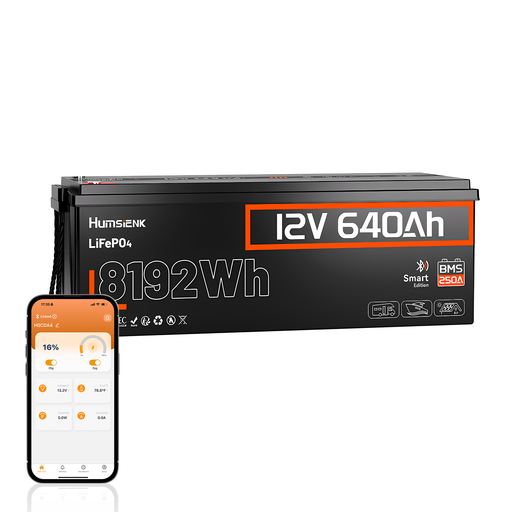
Why this product suits this use case: Its stated capacity of 8.19 kWh and 250 A BMS make it suitable for motorhomes, boats, off-grid systems and applications with high energy demands.
Before installation, check that the permitted system expansion, BMS protection features and low-temperature charging cut-off are compatible with the charger you plan to use.
12V LiFePO4 battery with Bluetooth monitoring, a 250 A BMS and stated 4S4P expandability.
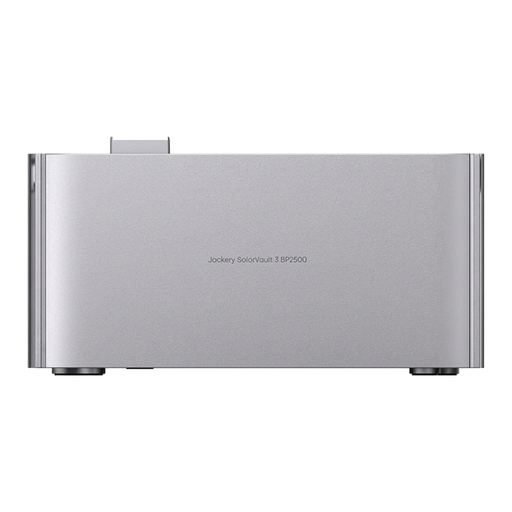
Why this product suits this use case: This module adds 2.52 kWh to compatible Jackery SolarVault 3 systems. It’s a good option if you want to increase the capacity of your existing home battery a little at a time.
This battery is designed for a specific SolarVault range. Before buying, check the model number of your existing system carefully.
2.52 kWh of additional storage capacity, with integration designed for the SolarVault 3 system.
We’ve put together a complete, regularly updated list of products that meet these strict selection criteria and the safety regulations in force in the EU.
The right size depends on your daily electricity use, solar panel output and how long you want to use stored energy. You should be able to charge the battery regularly. For a precise system design, take your energy-use profile, inverter specifications and expected solar generation into account.
Lifespan is often described in terms of charge cycles, remaining capacity and operating conditions. Figures such as “over 6,000 cycles” come from the relevant product data and aren’t a guarantee of a specific service life. Temperature, depth of discharge, charging power and maintenance all affect how long the battery lasts in practice.
In addition to the purchase price, you may need to factor in installation costs, inverter losses, replacement parts and maintenance. If you’re buying a battery for a plug-in solar system, check that it’s technically compatible with your existing setup. Comparing usable capacity, charge cycles and system output will tell you more than looking at the price per kWh alone.