
Lieferung heute & morgen

Qualitätsgarantie

Willkommens-Angebote freischalten: KOSTENLOSE Lieferung | Bis zu 80 % RABATT | Kostenlose 30-Tage-JoyPlus-Testphase
App herunterladen
Solar lights promise an easy and cost-effective way to illuminate your garden, patio, or balcony. The concept of wire-free garden lighting is appealing: no laying cables, no electricity bills, and automatic operation at dusk. However, the post-purchase reality is often quite different. Many buyers are disappointed by products that fail to live up to their advertising claims.
Before you make a decision, it's crucial to understand the most common pitfalls that lead to a bad investment:
solar path lights.To avoid these problems, a close look at the technical specifications is essential.
To make an informed decision, you should carefully examine three technical features. These are the primary determinants of the performance and longevity of your solar garden lights.
The term "waterproof" is flexible in marketing. The IP (Ingress Protection) rating, however, is a standardised value that indicates how well a device is protected against the ingress of foreign objects (first digit) and water (second digit).
waterproof garden lighting.The battery is the heart of any solar light. Its capacity, measured in milliampere-hours (mAh), directly determines the runtime after a full charge.
The housing material directly impacts the light's durability and appearance.
Stainless steel solar lights offer high corrosion resistance and a robust, premium feel. They are more resilient to mechanical stress and weathering, making them a good investment for long-term use.Instead of making a one-size-fits-all recommendation, we have curated products for different user profiles and needs.
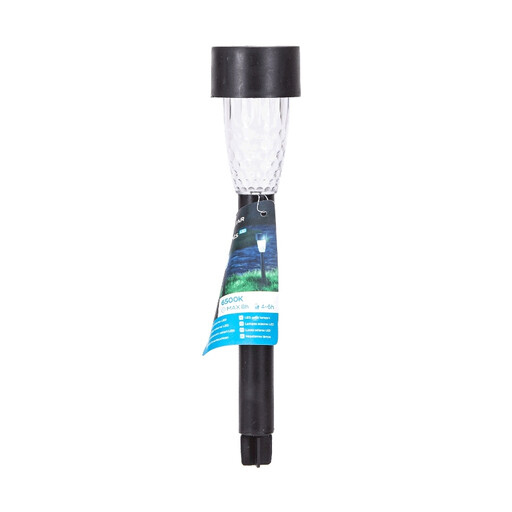
Why This Fits Their Persona: This light is a straightforward and affordable solution for creating accents in the garden or marking flowerbeds. It's ideal for users looking for simple, functional lighting without a high initial investment.
The light features an IP44 rating, making it equipped for typical weather conditions. Its clearly defined purpose as an accent light prevents false expectations regarding brightness.
Very simple installation with a ground stake; automatic operation without manual intervention; cool daylight (6500K) for crisp accents.
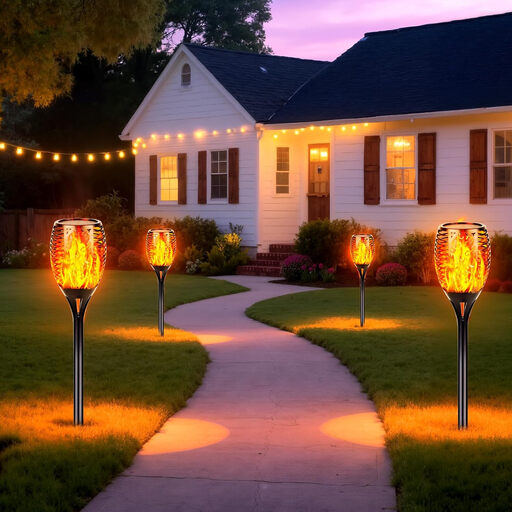
Why This Fits Their Persona: Perfect for anyone wanting to create an atmospheric ambiance. These `solar garden torches` imitate the flicker of a real flame and are excellent for decorating patios, pathways, or for garden parties.
With an IP65 rating, this model is robustly protected against dust and strong water jets, thus avoiding the pitfall of poor weather resistance. The focus is on the `flame effect solar light`, not on maximum brightness.
Atmospheric, dancing flame effect; high weather resistance (IP65); automatic on/off function.
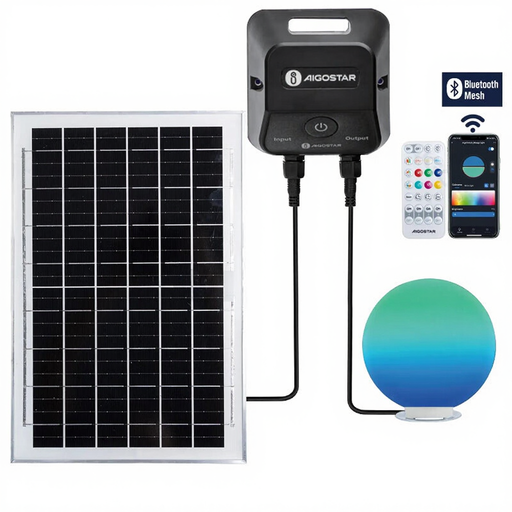
Why This Fits Their Persona: For users who want full control and integration into a smart home. This light can be controlled via Bluetooth Mesh, allowing colours, brightness, and scenes to be conveniently adjusted via an app.
This model addresses all three core problems: its high light output of 350 lumens solves the brightness issue, the IP65 certification ensures weather resistance, and the large 8000mAh lithium battery provides a long runtime.
App control (Bluetooth Mesh); customisable light colours (RGBCCT) and brightness; high light output and long battery life.
We have compiled a complete, up-to-date list of products that fully meet these strict selection criteria and the German safety regulations.
Yes, modern solar garden lights can charge even in diffuse light, albeit with reduced efficiency. On cloudy days or in winter with fewer hours of sunshine, the charging performance is lower, resulting in a shorter runtime at night. Models with high-efficiency monocrystalline solar panels and large batteries perform better in these conditions than basic versions.
The lifespan of the battery depends on its type and quality. Common NiMH batteries typically last 1 to 3 years, which corresponds to about 500 to 1,000 charge cycles. Lithium-ion batteries, often found in more expensive models, have a longer lifespan. An important criterion for sustainability is whether the battery is replaceable.
For general garden use where the lights are exposed to rain, an IP44 rating (protection against splashing water) is the recommended minimum. If the light is placed in a location where it could be exposed to strong water jets (e.g., from lawn sprinklers) or temporary flooding, IP65 (dust-tight and protected against water jets) or a higher rating offers significantly better longevity.