
Lieferung heute & morgen

Qualitätsgarantie

Willkommens-Angebote freischalten: KOSTENLOSE Lieferung | Bis zu 80 % RABATT | Kostenlose 30-Tage-JoyPlus-Testphase
App herunterladen
Solar garden lights are quick to set up and don’t need a mains connection. However, unclear product details, unsuitable locations and misunderstandings about IP ratings can often lead to disappointment. So if you want to light paths, flower beds, a balcony, patio or driveway, don’t focus on design alone.
Claims such as ‘up to 10 hours’ generally assume suitable charging conditions. In the UK autumn and winter, cloudy skies, shorter days, shade and low temperatures can all reduce the available run time. A solar light with a motion sensor or reduced continuous brightness may then be more practical than a model designed to stay on constantly.
An IP44 rating means protection against solid objects larger than 1 mm and water splashes. It’s suitable for many sheltered outdoor areas, but not for continuous immersion in water. IP65 offers additional protection against dust and water jets, while IP67 also covers temporary immersion under specified conditions. However, the rating doesn’t replace the need to choose a suitable installation location.
RGB solar lights, string lights and decorative garden lighting create atmosphere, but they don’t necessarily provide enough light to mark a path. For guidance lighting, details such as lumens, beam angle and mounting height matter more than the number of LEDs. A product can have lots of LEDs but still produce little light overall if each one has a low output.
For open lawns, flower beds and paths, weatherproof solar lights rated at least IP44 are a useful starting point. For permanently exposed areas, ground-level installation or locations that get frequent rain, IP65 may be a better choice. Buyers should also check the casing materials: plastic is lightweight and won’t rust, while metal or a metal-effect finish can offer different aesthetic and mechanical properties.
Compare the stated charging time with the expected lighting time. A model with a charging time of 4 to 6 hours and a stated lighting time of 8 to 12 hours may be sufficient in direct sunlight. However, actual performance depends on the solar panel, battery capacity, temperature and shade. Solar outdoor lights with a separate panel often give you more flexibility over where to position it for charging.
Solar lights with ground stakes are suitable for soft surfaces such as soil or grass. For paving, concrete or wood, you’ll need wall brackets, screw fixings or in-ground solar lights with a suitable fitting. The panel should face upwards where possible and be kept out of the shade of trees, buildings and garden furniture. You may need to switch the light on before using it for the first time.
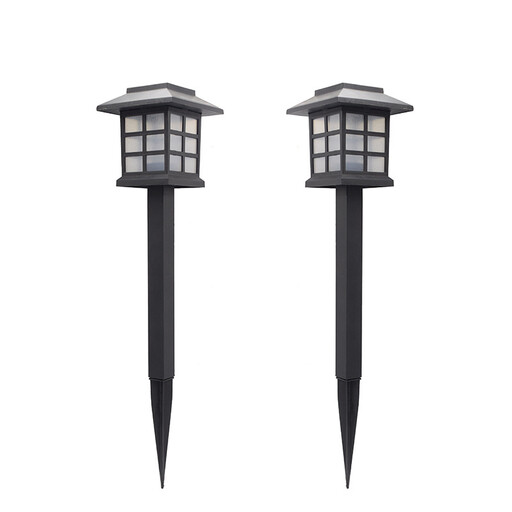
Why this product suits this profile: This set of two is designed for small flower beds, paths, patios and courtyards, with no cables or tools required.
The IP44 rating is clearly stated. This makes it easier to judge whether the lights are suitable for sheltered outdoor areas, rather than assuming they’re ‘waterproof’ in all circumstances.
Automatic light sensor, ground stakes and a stated lighting time of 6–12 hours after sufficient charging.
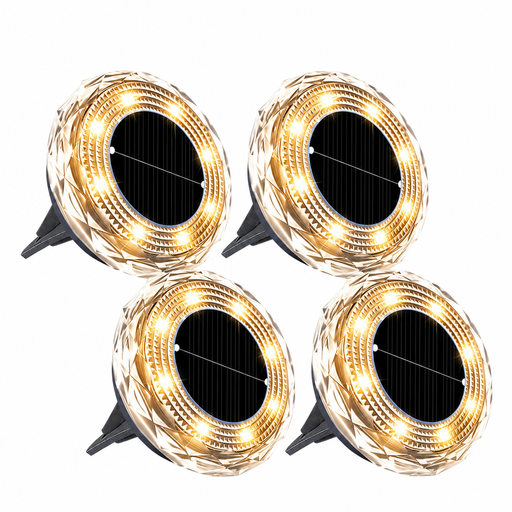
Why this product suits this profile: The four lights are ideal for evenly lighting paths, lawns, flower beds or the edges of patios.
The IP65 rating gives you a clearer indication of suitability for dusty and more exposed outdoor areas than a vague claim of weather resistance.
Two selectable light colours, built-in 600-mAh Ni-MH batteries and a stated run time of up to 10 hours.
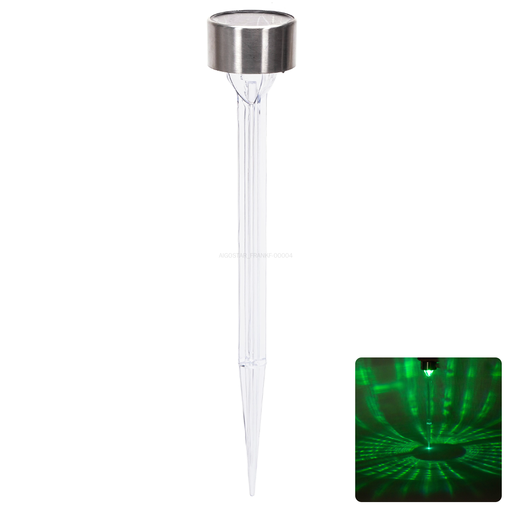
Why this product suits this profile: The RGB lighting and silver stainless-steel look make it a good fit for flower beds, lawns and decorative accents along a garden path.
The product details explicitly state the charging time, lighting time and IP44 rating. This makes it easier to distinguish decorative lighting from practical path lighting.
RGB lighting, ground stake, charging time of 4–6 hours and a stated lighting time of 8–12 hours in suitable conditions.
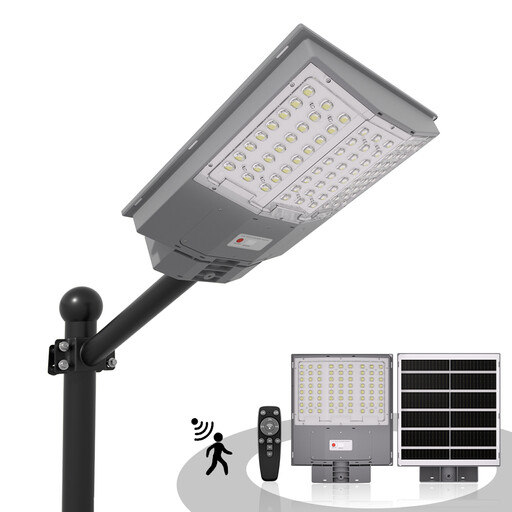
Why this product suits this profile: This sensor-controlled solar outdoor light is designed to provide broad coverage across larger courtyards, driveways, parking areas or spacious grounds.
The radar sensor dims the light when there’s no movement and brightens it when movement is detected. This is useful in areas that don’t need to be lit at full brightness all night.
IP67 rating, LiFePO4 battery, remote control with dimming levels and a stated charging time of 6–8 hours.
We’ve put together a complete, regularly updated list of products that meet these strict selection criteria and fully comply with the safety regulations in force in the EU.
Charging times of 3 to 8 hours in direct sunlight are common, depending on the model. Charging may take longer in indirect light or partial shade. Before using the lights for the first time, switch them on as instructed and position the panel so it faces the sun.
Lifespan depends on the LED module, battery, casing, charging cycles and weather conditions. Product claims such as 15,000 or 30,000 hours usually refer to the LED or the stated service life of a component, not necessarily the entire light. A replaceable battery can make maintenance easier.
When in use, solar garden lights don’t need to be connected to the mains. They charge their batteries using the solar panel. So there are no electricity costs during normal operation, although you should factor in the purchase price, possible battery replacements and the proper disposal of electronic components.