
Lieferung heute & morgen

Qualitätsgarantie

Willkommens-Angebote freischalten: KOSTENLOSE Lieferung | Bis zu 80 % RABATT | Kostenlose 30-Tage-JoyPlus-Testphase
App herunterladen
Solar lights promise a simple and eco-friendly way to beautifully illuminate your garden, patio, or balcony. No wiring, no electricity costs—the advantages are obvious. Yet, the reality after purchase often looks different: the lights fail after just a few weeks, the light output is disappointingly low, or they don't survive the first autumn storm.
As a Joybuy Product Recommendation Officer, I analyse product information and customer feedback daily. In doing so, I consistently notice the same pitfalls that lead to frustration and unnecessary expenses. Before you make a decision, you should be aware of these three common problems:
A conscious look at a few technical features can help you avoid these disappointments and make a suitable choice.
To make an informed decision, it's helpful to understand three core parameters. These significantly determine the performance and longevity of your solar garden lights.
The IP (Ingress Protection) rating is an international standard that indicates how well an electrical device is protected against the intrusion of foreign objects (first digit) and water (second digit).
The performance of your solar light depends directly on the quality of the solar panel and the capacity of the battery.
The specifications for light quality are crucial for achieving the desired effect.
Based on these objective criteria, we have compiled a selection of products for different requirements.
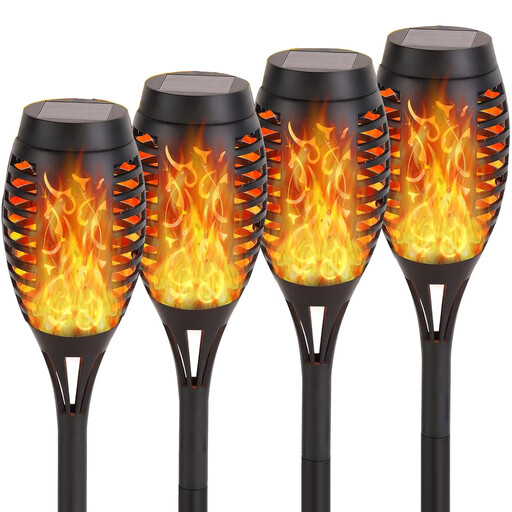
Why This Fits Their Persona: Ideal for users who want to create a warm and dynamic atmosphere. The flickering LEDs imitate real garden torches and are perfect for decorating patios, flowerbeds, or for garden parties. The solar light set ensures a uniform appearance.
With an IP65 rating, this product is explicitly protected against water jets, making it suitable for unprotected outdoor use in all weather conditions, which addresses the problem of inadequate weather resistance.
Realistic flame effect from 12 LEDs. Automatic on/off function via a dusk sensor. Delivered in a practical 4-pack set.
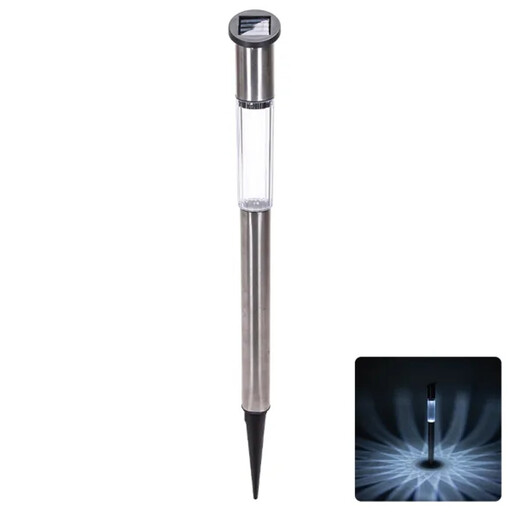
Why This Fits Their Persona: Perfect for users who prioritise functionality and safety. These solar path lights provide clear illumination for garden paths, driveways, or dark corners, thus minimising tripping hazards.
The stainless steel housing is more durable than simple plastic and withstands weather conditions better. The cool white light at 6500K ensures clear visibility, not just a faint glow, counteracting the problem of disappointing brightness.
Robust stainless steel construction. Bright, functional light for safety. According to the manufacturer, it provides 8-12 hours of light after 4-6 hours of charging.
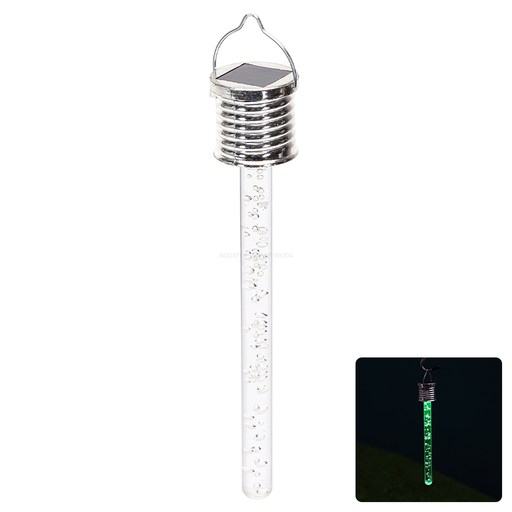
Why This Fits Their Persona: For anyone who wants to customise their garden with playful and colourful accents. These colourful solar lights with RGB colour-changing effects and a decorative bubble-stick design are an eye-catcher in planters, along pond edges, or in flowerbeds.
This product is clearly positioned as a decorative ambient light and does not create the false impression of being a bright main light source. The IP44 rating is appropriate and transparently stated for this decorative purpose in more sheltered garden areas.
Automatic RGB colour change for dynamic effects. Unique design with a bubble-like appearance. Amorphous silicon panel charges even with less direct sunlight.
We have compiled a complete, up-to-date list of products that fully meet these strict selection criteria and safety regulations.
The lifespan of a solar light depends on several components. The LEDs themselves often have a very long life, such as the 15,000 hours specified by Aigostar. The battery is typically the component that loses performance first and usually needs to be replaced after 1-3 years. The lifespan of the housing depends heavily on the material (plastic vs. stainless steel) and weather conditions.
Yes, but with limitations. The illumination time in winter is significantly shorter than in summer. Shorter days, a lower sun angle, and frequent cloud cover reduce the amount of energy the solar panel can absorb. If the panel is covered with snow, it cannot generate any energy. Therefore, expect reduced performance in winter.
Installation is usually very simple. The most important factor is the location. Place the light in a spot where the solar panel receives as much direct sunlight as possible during the day, without shade from trees, buildings, or other plants. Occasionally clean the solar panel with a soft, damp cloth to remove dust and dirt to maintain charging efficiency.