
Lieferung heute & morgen

Qualitätsgarantie

Willkommens-Angebote freischalten: KOSTENLOSE Lieferung | Bis zu 80 % RABATT | Kostenlose 30-Tage-JoyPlus-Testphase
App herunterladen
Solar garden lights promise a simple, cost-effective, and eco-friendly solution for outdoor lighting. With no wiring and zero electricity costs, they illuminate paths, patios, and flowerbeds. However, the market is crowded, and many products fail to live up to their advertising claims. Before you make a decision, it's crucial to understand the most common pitfalls that lead to disappointment.
An informed choice, based on technical facts rather than marketing promises, is the key to long-lasting and satisfying garden lighting.
To avoid these pitfalls, you should check three core parameters before buying. These reveal the true performance and durability of a solar light.
The IP (Ingress Protection) rating is one of the most important specifications for any weatherproof garden light. It indicates how well the housing is protected against the ingress of foreign objects (first digit) and water (second digit).
For a reliable outdoor LED solar light in a climate like the UK's, a rating of at least IP44 is recommended, while IP65 or higher is the safer choice for exposed locations.
The combination of the battery and solar panel determines how long your light will shine after dark.
solar spotlights.The brightness of a light is measured in lumens (lm), not watts. Watts only indicate energy consumption.
solar ground stake lights in flowerbeds): 10–50 lumens per light is often sufficient.solar lights with motion sensors): 300–800 lumens or more provide bright illumination for driveways or entrance areas.Additional features like adjustable light colours (Kelvin) or solar lights with colour change (RGB) allow for flexible atmospheric adjustments. A smart garden lighting system with app control also offers the ability to create schedules and synchronise multiple lights.
Here are some recommendations tailored to different user profiles and requirements.

Why This Fits Their Persona: Ideal for users who want to add initial lighting accents to their garden easily and affordably with a set of five lights. The ground stake installation is incredibly simple and requires no technical knowledge. Perfect for flowerbeds or marking pathways.
The set is declared as weatherproof for outdoor use and features a dusk-to-dawn sensor that optimises lighting duration. The option between warm white and RGB colour change offers more flexibility than simple, faint glow lights.
Simple, wire-free installation; automatic on/off switching; choice between warm white ambient light and colourful RGB light.
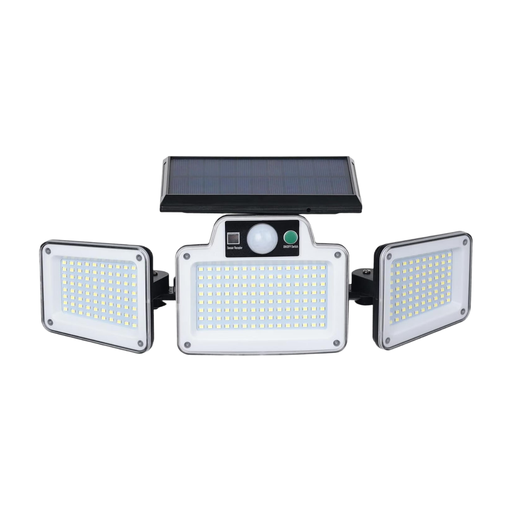
Why This Fits Their Persona: Perfect for homeowners who want to reliably illuminate driveways, garages, or dark corners of their property. The combination of bright light and a motion sensor enhances security and deters unwanted visitors. The three adjustable heads allow for wide and targeted illumination.
With an IP65 rating, this solar spotlight is robust against strong water jets and dust. The 2400mAh battery, combined with the motion sensor, ensures a long operational life, as full brightness is only activated when needed. The 280 LEDs deliver high light output, avoiding the "faint glow" pitfall.
Highly sensitive motion detector; three adjustable light heads for wide coverage; remote control with three different lighting modes.

Why This Fits Their Persona: For users who want to integrate their garden lighting into a smart system and have full control over ambiance and colour. The Bluetooth Mesh technology allows for the control of up to 200 lights via an app—ideal for creating complex lighting scenarios throughout the entire outdoor area.
This solar wall light features a powerful 4000mAh battery and an efficient monocrystalline solar panel, which the manufacturer claims enables a lighting duration of up to 24 hours. The IP65 certification ensures high weather resistance. The RGBCCT function provides full control over brightness and colour, avoiding the disappointment of light that is too dim or has the wrong tone.
Bluetooth Mesh for controlling many lights; full colour and white tone control (RGBCCT); app control with schedules and scenes.
We have compiled a complete, up-to-date list of products that fully meet these strict selection criteria and relevant safety regulations.
The lighting duration in winter is reduced due to shorter days and a lower sun angle. Models with highly efficient monocrystalline solar panels and large batteries (mAh) have a clear advantage here. They can still store sufficient energy even in diffuse light. A realistic expectation for many models in winter is 3 to 5 hours of light, while more powerful systems can achieve 6 hours or more.
Direct sunlight is ideal for optimal charging. However, most modern solar lights, especially those with monocrystalline cells, also charge on overcast days or in a shadier spot. The charging time will be longer, and the maximum lighting duration may not be reached. Therefore, always position the solar panel to receive as many hours of unshaded light as possible during the day.
The IP rating indicates how resistant a light is to the ingress of solid objects (first digit) and water (second digit). For garden use, the following ratings are relevant: IP44 provides protection against splashing water and is sufficient for sheltered areas. IP65 protects against water jets (e.g., rain or a garden hose) and is a good choice for most unprotected outdoor areas. IP67 means protection against temporary immersion and is suitable for particularly exposed or ground-level installations.