
Lieferung heute & morgen

Qualitätsgarantie

Willkommens-Angebote freischalten: KOSTENLOSE Lieferung | Bis zu 80 % RABATT | Kostenlose 30-Tage-JoyPlus-Testphase
App herunterladen
Choosing solar lights for your garden seems simple: they are an eco-friendly, cost-effective, and flexible solution for off-grid garden lighting. However, the market is flooded with products whose promises often don't hold up in practice. Many buyers soon discover their new lights only glow dimly, fail after the first rainfall, or have plastic that turns brittle after one winter.
As your Joybuy Product Recommendation Officer, I'm here to help you navigate these common pitfalls. Instead of relying on marketing claims, we'll focus on the crucial technical specifications. This will help you find lighting that not only looks beautiful but is also reliable and durable.
To avoid a bad buy, you should check three core aspects before making a decision. These will give you an objective basis for comparing different solar garden lights.
The IP (Ingress Protection) rating is an international standard that indicates how well an enclosure is protected against the ingress of foreign objects (first digit) and water (second digit).
The combination of the battery and solar panel determines how long your light will shine after dusk.
The brightness of an LED solar light is measured in lumens (lm), not watts. The light colour is specified in Kelvin (K).
Here are some models that are suitable for various applications based on their objective specifications.
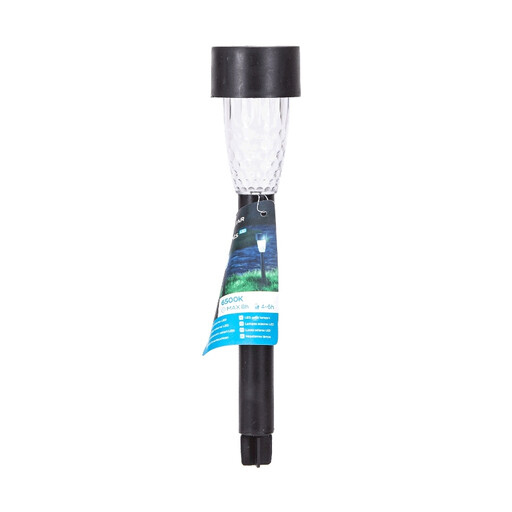
Why This Fits Their Persona: Ideal for users looking for a simple, cost-effective solution to mark paths or flowerbeds. The ground stake installation is straightforward and requires no tools.
The product description clearly states the IP44 rating. This makes it suitable for sheltered areas and avoids making unrealistic claims about water resistance. The expectations for brightness and runtime are appropriate for an orientation light.
Very simple installation and automatic function (dusk-to-dawn sensor). The polypropylene (PP) housing is durable for its price point.
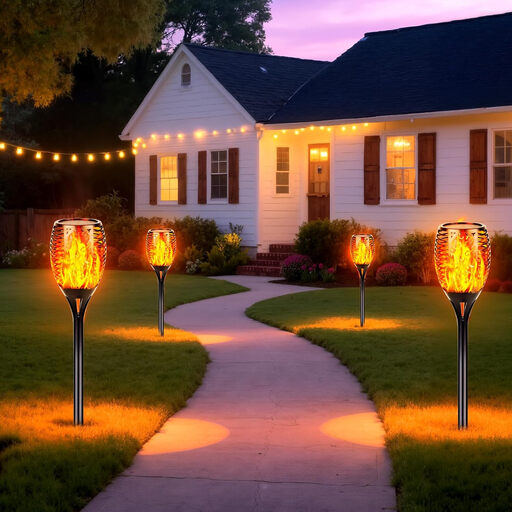
Why This Fits Their Persona: Perfect for anyone wanting to create a warm and dynamic atmosphere. The realistic flame effect from the 96 LEDs per torch provides a cosy ambience for patios, poolsides, or garden parties.
These torches avoid the weather-resistance trap with their IP65 certification. They are dust-tight and protected against water jets, qualifying them for year-round use in unsheltered outdoor areas.
The main draw is the decorative, dancing flame effect. The automatic on/off function ensures maximum convenience.
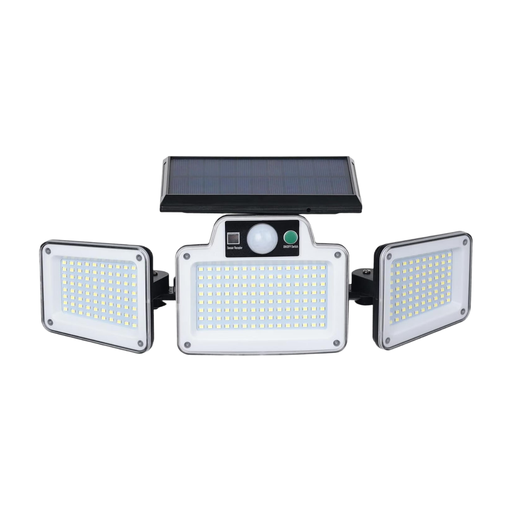
Why This Fits Their Persona: Designed for bright, on-demand illumination of driveways, garages, and entryways. The three adjustable heads and motion sensor offer maximum flexibility and security.
This model escapes the performance trap with a high-capacity 2400 mAh battery and a separate solar panel. Thanks to the 4.7-meter cable, the panel can be optimally positioned for sun exposure, even if the light itself is mounted in a shaded area. The IP65 rating ensures durability.
High brightness from 280 LEDs, three adjustable lighting modes (via remote control), and a highly sensitive motion sensor. The separate panel maximises energy harvesting.
We've compiled a complete, up-to-date list of products that fully meet these strict selection criteria and rigorous safety standards.
Yes, solar lights do work on cloudy days and in winter, but with reduced performance. The solar panels still charge in diffuse light, just more slowly than in direct sunlight. This results in a shorter runtime at night on short, overcast winter days. For reliable winter operation, models with large, efficient solar panels and high-capacity batteries (mAh) are particularly suitable.
The lifespan depends on the quality of the individual components. The LEDs themselves often have a stated lifespan of 15,000 hours or more. The most critical component is the battery, which, depending on use and quality, will lose capacity after about 1 to 3 years and may need to be replaced. The housing material also plays a role: high-quality ABS plastic or stainless steel will withstand the elements for much longer than simple plastic.
That depends on the IP rating and the materials used. Models with a rating of at least IP65 and a robust housing can generally be left outside all year round. For lights with a lower rating (e.g., IP44) or less durable materials, it is advisable to store them in a dry place during heavy frost and snow to protect the electronics and the battery.