
Lieferung heute & morgen

Qualitätsgarantie

Willkommens-Angebote freischalten: KOSTENLOSE Lieferung | Bis zu 80 % RABATT | Kostenlose 30-Tage-JoyPlus-Testphase
App herunterladen
Solar lights promise a simple and eco-friendly way to bathe your garden, balcony, or patio in atmospheric light—all without cables or extra electricity costs. But the reality is often different: many buyers are disappointed by lights that only glow dimly after a few weeks, fail to withstand the first autumn rain, or create a completely different atmosphere than expected.
To help you choose wisely, we'll highlight the most common pitfalls and explain the technical features that truly matter. This way, you can find solar garden lighting that works reliably and suits your needs.
The selection of solar lights is vast, but the quality differences are significant. Instead of being swayed by marketing promises, you should focus on three objective criteria that determine longevity and performance.
A common reason for solar light failure is moisture ingress. The term "waterproof" is often imprecise. The crucial factor is the IP rating, which consists of two digits.
The runtime depends directly on the battery's capacity (measured in milliampere-hours, mAh) and the efficiency of the solar panel. A large battery is of little use if the panel cannot generate enough energy on cloudy days.
Look for a good balance. Models with high-quality polycrystalline or monocrystalline solar cells charge more effectively, even in diffused light. A realistic runtime for good models is 6 to 12 hours after a sunny day. Products with an integrated dusk-to-dawn sensor also switch on automatically, saving energy during the day.
The colour of the light has a major impact on the atmosphere. The choice depends on the intended use:
Brightness is measured in lumens (lm). For orientation lighting (e.g., from a solar ground stake along a path), low lumen values are sufficient. Higher values are required to illuminate an entire seating area.
To make your search easier, we have matched some products to different user profiles.

Why This Fits Their Persona: Ideal for users seeking a simple, flexible solution for marking garden paths or flowerbeds. The ground stake installation is incredibly easy and requires no tools.
Its weatherproof design is engineered for long-term outdoor use, preventing premature failure from moisture. The option to choose between warm white light and an RGB colour-change mode prevents you from being stuck with the wrong ambiance.
The 5-pack offers excellent value for money for wide coverage. The integrated dusk-to-dawn sensor ensures fully automatic operation.
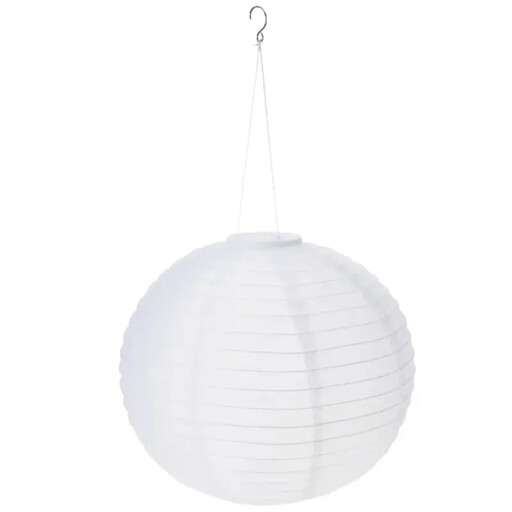
Why This Fits Their Persona: Perfect for design-conscious users looking for an aesthetic solar lamp for their balcony or patio. The spherical shape is reminiscent of a classic paper lantern and creates an elegant, soft glow.
The weather-resistant nylon fabric shell is more durable than cheap plastic that quickly becomes brittle. It provides a diffused, high-quality light instead of a harsh, pinpoint glare.
Its minimalist design is a decorative eye-catcher even during the day. The 12 warm white LEDs create an especially cosy atmosphere.
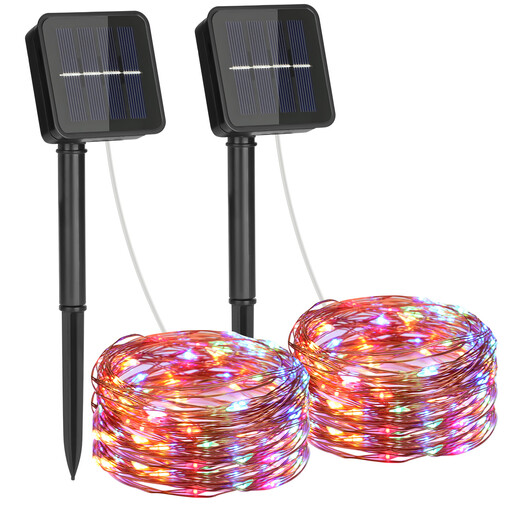
Why This Fits Their Persona: Perfect for party hosts or anyone looking to decorate large areas like fences, trees, or pergolas. The generous length and colourful LEDs create a festive mood.
A high-efficiency solar panel ensures a long runtime of 8 to 14 hours, avoiding the problem of lights dying mid-party. The IP65 rating ensures the string light can withstand a rain shower.
Two 12-metre string lights offer maximum decorative freedom. The 8 different lighting modes with a memory function allow for varied and recurring effects.
There are specific requirements for mounting lights on overhead structures. We've curated a selection of products that are well-suited for this purpose.
Yes, solar lights do work in winter, but with reduced performance. The shorter days and more frequent cloud cover reduce the battery's daily charging time. This results in a shorter runtime in the evening. To maximise performance, the solar panel should be placed in a location that receives as much direct sunlight as possible, even in winter, and should be kept free of snow and debris.
The IP rating indicates how well a light's housing is protected against the ingress of foreign objects (first digit) and water (second digit). For outdoor use, the second digit is particularly relevant. IP44 offers protection against splashing water and is sufficient for sheltered areas. IP65 provides protection against water jets and is the more robust choice for lights that are fully exposed to the weather.
Maintaining solar lights is straightforward. The most important step is to regularly clean the solar panel with a soft, damp cloth. Dust, pollen, leaves, or snow can significantly reduce charging efficiency. For most models, no further maintenance is required. It can be a good idea to store the lights indoors in a dry place during the darkest winter months when not in use to extend the battery's lifespan.