
Lieferung heute & morgen

Qualitätsgarantie

Willkommens-Angebote freischalten: KOSTENLOSE Lieferung | Bis zu 80 % RABATT | Kostenlose 30-Tage-JoyPlus-Testphase
App herunterladen
Solar garden lights promise a simple and cost-effective way to illuminate paths, patios, and flowerbeds. No laying cables, no extra electricity costs—the advantages are clear. Yet, the reality is often different: many buyers are disappointed by lights that fail after the first heavy rain, provide light too dim for navigation, or have a battery that dies before midnight.
To help you avoid these pitfalls, we'll show you which technical features truly matter and how to find products that reliably deliver on their promise.
Marketing terms can be misleading. Instead, focus on three verifiable metrics to objectively assess the quality of an outdoor solar light.
The term "waterproof" is often imprecise. The IP (Ingress Protection) rating specifies exactly how well a light is protected against foreign objects and water. For garden lighting, two ratings are particularly relevant:
The performance of a solar light depends directly on the quality of its solar panel and the capacity of its battery.
The right lighting mood and functionality are crucial for the intended application.
Instead of a one-size-fits-all recommendation, here we present different models tailored to specific needs and locations.
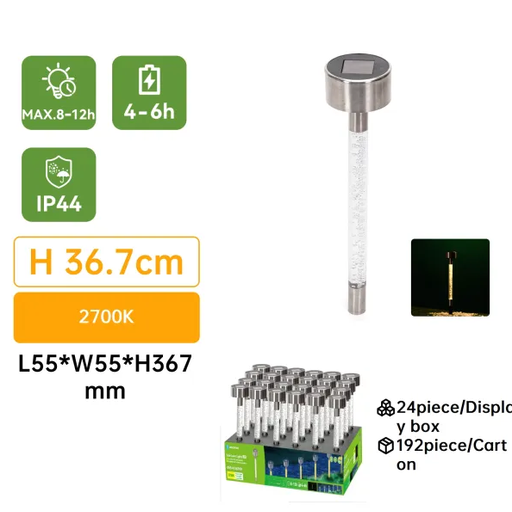
Why This Fits Their Persona: Ideal for users seeking simple, decorative lighting for flowerbeds or path borders. The warm white light and bubble design create a pleasant atmosphere effortlessly.
This light doesn't promise harsh brightness, but instead delivers targeted 2700K warm white ambient light. This prevents mismatched expectations about luminosity.
Decorative bubble-effect design; simple installation via solar ground stakes.
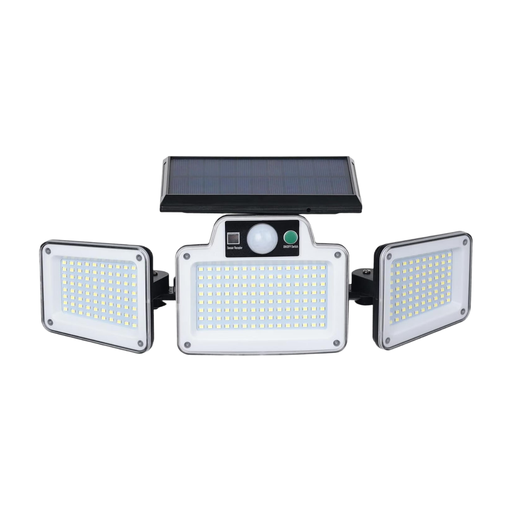
Why This Fits Their Persona: Perfect for illuminating driveways, garages, or dark corners of the property. The combination of high brightness and a motion sensor provides on-demand security.
The IP65 certification reliably protects the light from the elements. The 2400mAh battery and 280 LEDs provide sufficient brightness and endurance, solving the common problem of dim lighting.
Three flexible lighting modes with a motion sensor; three individually adjustable heads for wide coverage.
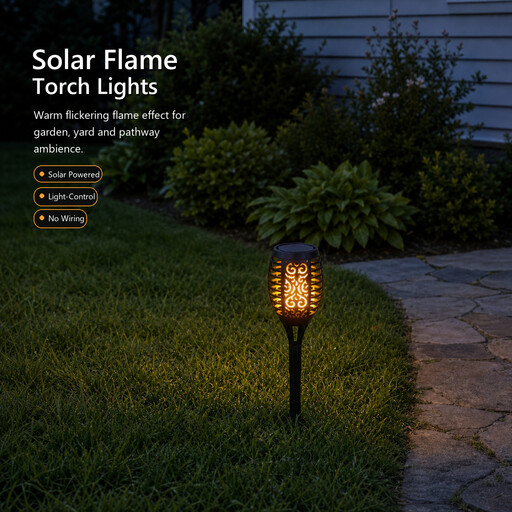
Why This Fits Their Persona: For anyone wanting to create a dramatic yet cosy atmosphere. The dancing flame effect of these solar torches is an eye-catcher at garden parties or as a permanent decorative element.
These torches are equipped with an IP65 waterproof rating, making them more resistant to rain than many purely decorative lights—a common weakness in budget models.
Realistic flame effect for a special atmosphere; delivered as a practical solar light set of four torches.
We have compiled a complete, up-to-date list of products that fully meet these strict selection criteria and safety regulations.
The lifespan of a solar light is primarily determined by two components: the LED bulb and the battery. The LEDs themselves are very durable, often with a rated lifespan of 15,000 hours or more. The battery is typically the component that loses performance first. Depending on quality and frequency of use, a battery usually lasts one to three years. On some models, the battery can be replaced, which extends the overall life of the light.
Yes, but with reduced performance. Modern solar lights, especially those with amorphous solar panels, can charge even on overcast days. However, the amount of energy generated is lower than in direct sunlight. This results in a shorter runtime at night during winter or on rainy days. Optimally positioning the solar panel to face south and regularly cleaning its surface can maximise efficiency.
Installation is usually very simple. For solar lights with ground stakes, you just need to push them into the ground. The most important factor is location: choose a spot that receives as much direct sunlight as possible throughout the day. Avoid shadows from trees, building walls, or other objects, as this will significantly reduce charging performance. Occasionally, clean the solar panel with a soft cloth to remove dirt and dust.