
Lieferung heute & morgen

Qualitätsgarantie

Willkommens-Angebote freischalten: KOSTENLOSE Lieferung | Bis zu 80 % RABATT | Kostenlose 30-Tage-JoyPlus-Testphase
App herunterladen
Solar lights promise a simple and eco-friendly way to illuminate your garden, patio, or balcony. But the reality is often disappointing: lights that fail after one summer, a glow that's barely brighter than a candle, or rust spots after the first autumn rain. As a Joybuy Product Recommendation Officer, I analyse product data to help you avoid such frustrations and make an informed decision.
This guide reveals the three most common pitfalls when buying solar lights for the garden and explains which technical features you should look for to find durable and functional products.
Many buyers are swayed by appealing product photos and marketing promises, overlooking crucial technical flaws. These three issues are the most common sources of frustration and unnecessary expense:
To avoid the problems mentioned above, you should check three technical specifications before buying. These provide an objective measure of a solar light's quality and performance.
The core of any solar light is the combination of its battery and solar panel. This determines how much energy can be stored and how long the light can operate.
The IP rating indicates how well the housing is protected against the ingress of foreign objects and water.
These two values define the brightness and colour of the light and are critical for the intended application.
Based on the criteria above, we have identified products that are well-suited for specific needs and user profiles in the UK.
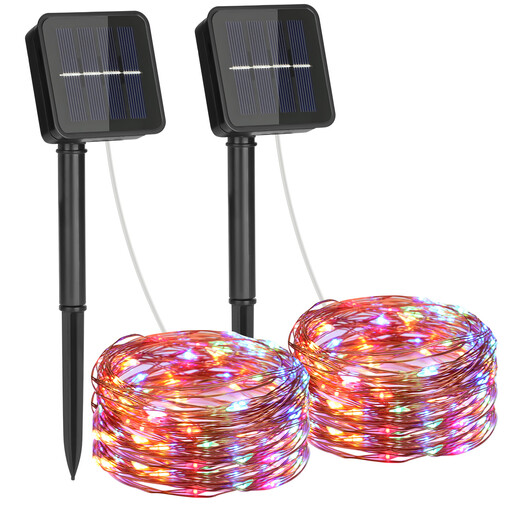
Why This Fits Their Persona: Ideal for users on a budget looking for flexible and atmospheric lighting for parties, balconies, or garden nooks. The pliable copper wire can be creatively wrapped around railings, plants, or furniture.
The IP65 rating offers significantly better protection against rain than many comparable decorative lights, increasing its longevity. The 8 lighting modes with a memory function also prevent the disappointment of an unsuitable lighting mood.
The set includes two 12-metre string lights, offering excellent value for money for a large decorative area. No tools are required for installation.
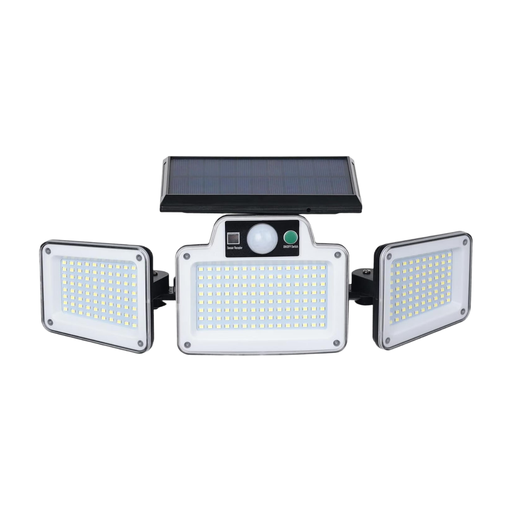
Why This Fits Their Persona: Perfect for homeowners who need reliable, bright lighting for driveways, garages, or dark corners of their property to enhance security.
The separate solar panel with a long cable solves placement issues: the light can be mounted in the shade (e.g., under an eave) while the panel is positioned in full sun. The 2400mAh battery and three operating modes ensure on-demand, energy-efficient lighting.
Three adjustable light heads and 280 LEDs allow for wide and targeted illumination. The remote control adds a significant layer of convenience.
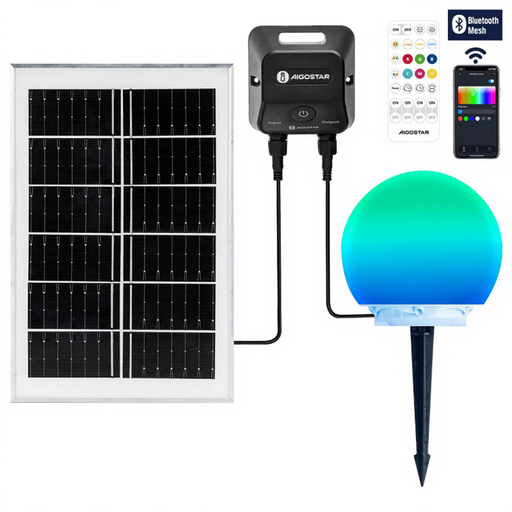
Why This Fits Their Persona: For discerning users seeking a modern, durable, and fully controllable lighting solution to showcase their garden. Ideal for highlighting flowerbeds, patios, or architectural features.
It solves the problem of incorrect light colour with full RGBCCT control (colours and white tones from 2700K to 6500K). The high-capacity 4000mAh lithium battery and efficient monocrystalline panel ensure reliable performance and a long runtime of up to 24 hours.
Control over 200 lights simultaneously via the Bluetooth-Mesh app. The IP65 rating and robust materials (ABS/PE) secure the investment for the long term.
We have compiled a complete, up-to-date list of products that fully meet these strict selection criteria and local safety regulations.
The lifespan depends on three components: The LEDs themselves often last 15,000 hours or more. The battery is the most common wear-and-tear component and may need to be replaced after 1 to 3 years, depending on quality and usage (if replacement is possible). With proper care, the housing and solar panel can last for many years, provided they are made from weather-resistant materials like stainless steel or high-quality plastic and are adequately protected against water.
Yes, but with limitations. The shorter days, the low angle of the sun, and frequent cloud cover significantly reduce charging performance. This noticeably shortens the runtime. Models with high-efficiency (monocrystalline) solar panels and large batteries are better suited for winter operation. It is also important to keep the panel free of snow and debris.
To extend the battery's life, it is advisable to store many models in a dry place over the winter months if they are not absolutely necessary. For lights with integrated batteries, you should ensure the panel remains clean so the battery receives at least a minimal maintenance charge, preventing a deep discharge.