
Lieferung heute & morgen

Qualitätsgarantie

Willkommens-Angebote freischalten: KOSTENLOSE Lieferung | Bis zu 80 % RABATT | Kostenlose 30-Tage-JoyPlus-Testphase
App herunterladen
The right garden lighting can transform an outdoor area from a dark patch into an inviting oasis. Solar garden lights offer an attractive solution: they are cost-effective to run, easy to install, and environmentally friendly. However, the market is flooded with products whose promises often don't hold up to reality. Many buyers are quickly disappointed when their lights fail after the first heavy downpour or the illumination time doesn't even last for a short evening.
As your Joybuy Product Recommendation Officer, I'm here to help you separate the wheat from the chaff. We'll look at the typical pitfalls and clarify which technical features truly matter, ensuring your next solar-powered garden lighting is a durable and functional enhancement for your garden, balcony, or driveway.
Marketing terms can be misleading. Before you make a decision, you should be aware of these three common issues that lead to disappointment:
To avoid the problems mentioned above, you should check three core parameters before buying. These will give you an objective basis for your decision, whether you're looking for outdoor solar string lights for a party or a bright solar spotlight with a motion sensor for security.
The IP (Ingress Protection) rating is an international standard that indicates how well an enclosure is protected against the ingress of foreign objects (first digit) and water (second digit). For waterproof solar lights in outdoor areas, two ratings are particularly relevant:
These two values determine the performance and endurance of your LED solar light:
Pay attention to the materials used to ensure a long lifespan:
Instead of making a one-size-fits-all recommendation, we have identified products tailored to specific needs and user profiles.
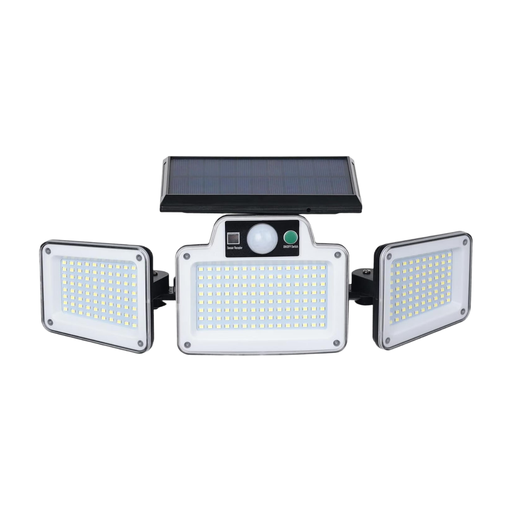
Why it's a great match: Ideal for anyone wanting to reliably illuminate driveways, garages, or dark corners. The three adjustable heads allow for wide and targeted lighting.
With an IP65 protection rating, the light is protected against heavy rain. The 2400 mAh battery, combined with the motion sensor, ensures a long, on-demand illumination time instead of constantly running at full power.
Three adjustable lighting modes via remote control; separate solar panel with a long cable for optimal sun exposure; 280 LEDs for high brightness.
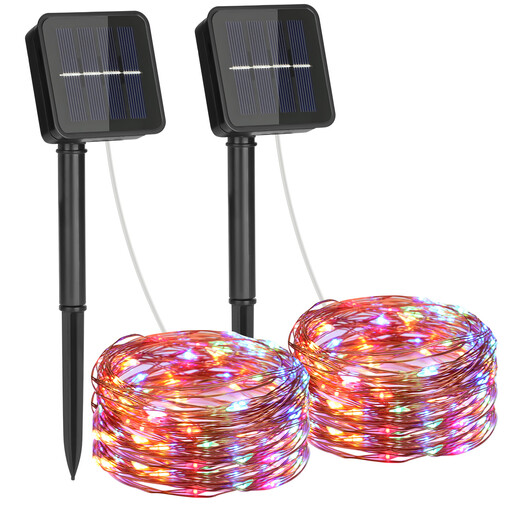
Why it's a great match: Perfect for creating an atmospheric setting on balconies, patios, in trees, or for parties. The flexible copper wire is easy to shape and install. Ideal as a balcony solar light or for festive occasions.
The string light is rated IP65, making it suitable for unprotected outdoor use. The material combination of copper wire and ABS plastic is designed for durability.
8 different lighting modes with memory function; 2-pack with 12 metres of length each for large decorative areas; automatic operation from dusk till dawn.
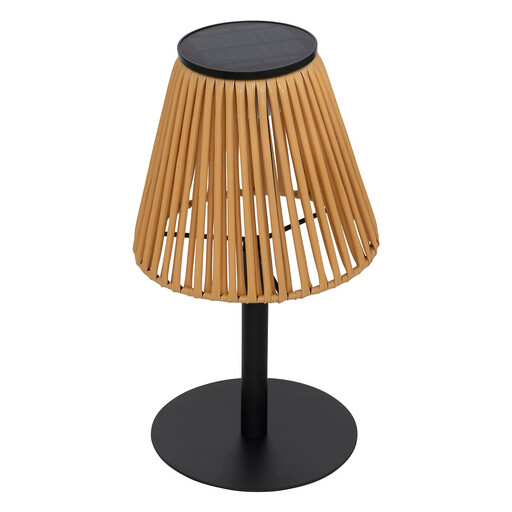
Why it's a great match: This solar table lamp combines attractive design with functionality. It's ideal for the dining table on the patio or as an accent light on a side table, creating a warm, cosy atmosphere.
The dual charging function (solar and USB) bypasses the trap of unrealistic illumination times. On cloudy days, the lamp can simply be charged via cable. The IP44 protection rating is sufficient for use on a table.
Flexible charging via solar panel or USB cable; stylish design with a woven resin shade and steel base; warm white light (90 lumens) for a pleasant atmosphere.
We have compiled a complete, up-to-date list of products that fully meet these strict selection criteria and UK safety regulations.
The lifespan of a solar light depends on several components. The LEDs themselves often have a lifespan of 15,000 hours or more. The critical factor is the battery. A high-quality lithium-ion or Ni-MH battery can typically last 2 to 4 years, depending on usage and charging cycles. On many models, the battery can then be replaced.
Yes, but with reduced performance. Solar panels also charge in diffuse light, but much more slowly than in direct sunlight. In winter, the days are shorter and the sun is lower in the sky, which further reduces charging time. The illumination time will therefore be shorter in the winter months than in the summer. Optimally positioning the panel to face south can improve efficiency.
Most modern solar lights use built-in, rechargeable batteries designed to last for several years. Some models, especially simple solar path lights, use standard rechargeable batteries (e.g., AAA type), which can be easily and inexpensively replaced when their performance declines. Check the product description to see if the battery is replaceable.