
Lieferung heute & morgen

Qualitätsgarantie

Willkommens-Angebote freischalten: KOSTENLOSE Lieferung | Bis zu 80 % RABATT | Kostenlose 30-Tage-JoyPlus-Testphase
App herunterladen
Solar lights for the garden promise a simple, cost-effective, and eco-friendly way to illuminate paths, accentuate patios, and create an atmospheric ambiance. However, the market is flooded with products whose performance often fails to live up to their promises. Many buyers are disappointed when the lights fail after a short time or only glow dimly for a few hours. This guide will show you what to look for to find the right outdoor solar lamps and avoid typical pitfalls.
Before you make a decision, it's important to know the most common problems that lead to frustration and unnecessary expense.
To avoid a bad buy, you should focus on objective technical features rather than trusting marketing promises.
The IP rating (Ingress Protection) is one of the most important specifications for any form of outdoor lighting. It indicates how well the housing is protected against the ingress of foreign objects (first digit) and water (second digit).
The combination of the battery and solar panel determines the actual runtime and reliability.
The type of light significantly influences the atmosphere.
Here are some product recommendations tailored to specific needs and use cases.

Why This Fits Their Persona: Ideal for users seeking reliable and clear lighting for garden paths, driveways, or flowerbed borders. The functional design and bright light primarily serve safety and orientation.
The stainless steel housing is more resistant to weather and UV radiation than simple plastic. The IP44 certification ensures the light is equipped for typical outdoor rain showers.
Cool white light (6500K) for good visibility. Easy, tool-free installation as a solar ground stake light.
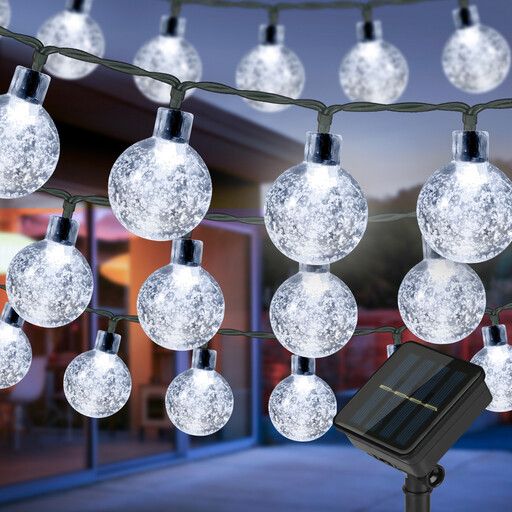
Why This Fits Their Persona: Perfect for renters and homeowners who want to design their balcony solar lighting or patio solar lighting flexibly and without wiring. Ideal for parties, warm summer evenings, or as year-round decoration.
With an IP65 rating, these outdoor solar string lights are significantly better protected against bad weather than many competing products. The specified charging and run times are realistic for a product of this size.
Eight different lighting modes for varied effects. The 11-meter length offers plenty of design flexibility.
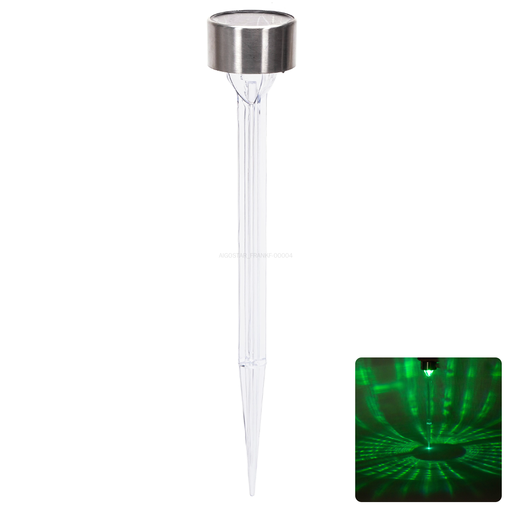
Why This Fits Their Persona: For creative garden owners who want to set targeted colourful highlights to accentuate plants, shrubs, or decorative objects. The automatic colour change creates a dynamic and vibrant atmosphere.
This model combines the durability of stainless steel with an IP44 protection rating. It is designed as an accent light, with brightness and battery life tailored for this purpose, rather than making unrealistic promises.
Offers an automatic RGB colour change for decorative effects. The integrated design allows for discreet placement in the ground.
We have compiled a complete, real-time list of products that fully satisfy these strict selection criteria and UK safety regulations.
Yes, but with limitations. The runtime is significantly shorter in winter because the days are shorter, the sun is lower in the sky, and the weather is more often cloudy. The solar panel can generate less energy during this time. Therefore, expect only a few hours of light in the winter. Regularly cleaning the panel of snow and dirt can improve performance.
The lifespan depends on three components: the LED, the battery, and the housing. The LEDs themselves have a very long lifespan, often 15,000 hours or more. The battery is the most common wear-and-tear component and loses capacity after 1-3 years. In many models, the battery (often a standard type like AA or AAA NiMH) can be replaced. The durability of the housing depends on the material; stainless steel and high-quality plastic last longer than cheap plastic.
The most important factor is maximum, direct sunlight on the solar panel for at least 6-8 hours a day. Avoid locations in the shade of trees, buildings, or overhangs. Also, make sure that the light is not illuminated by other artificial light sources like streetlights or house lighting, as the dusk sensor might not trigger, and the light won't turn on.