
Lieferung heute & morgen

Qualitätsgarantie

Willkommens-Angebote freischalten: KOSTENLOSE Lieferung | Bis zu 80 % RABATT | Kostenlose 30-Tage-JoyPlus-Testphase
App herunterladen
Solar garden lights promise an easy, cost-effective, and eco-friendly way to illuminate paths and create an inviting atmosphere. However, the market is flooded with products whose performance often falls short of their promises. Many buyers are left disappointed when their new garden lighting dims to a weak glimmer after just a few weeks or fails completely after the first heavy rain.
As a Joybuy Product Recommendation Officer, I analyse product data to help you make informed decisions. This guide reveals the three most common pitfalls when buying solar lights and explains which technical specifications to look for to find a durable and functional solution for your outdoor space.
Marketing promises can be misleading. Pay attention to these three points to prevent your investment from becoming useless in a short time:
To make an informed purchasing decision, you should check three core technical parameters. These reveal the true performance and longevity of a solar light.
The IP (Ingress Protection) rating indicates how well an electrical device is protected against the intrusion of foreign objects (first digit) and water (second digit). For outdoor solar lights, the following values are relevant:
The battery is the heart of any solar light. Pay attention to its type and capacity:
These two values determine the effect of your solar garden lighting:
Here are some product recommendations tailored to different user profiles and requirements.
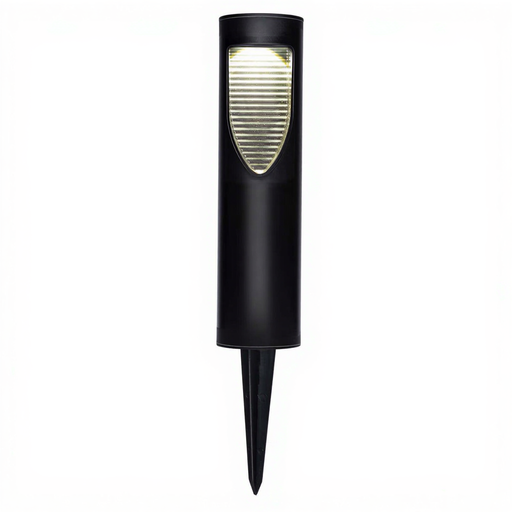
Why This Fits Their Persona: Ideal for users seeking a straightforward and cost-effective solution for marking garden paths or flowerbeds. The contemporary design blends discreetly into most gardens.
The product specifies the battery type (Ni-MH) and capacity (600 mAh). This transparency avoids the trap of vague promises and provides a realistic performance baseline for a simple path light.
Simple, wire-free installation via a ground stake. The warm white light from the SMD LED creates a pleasant atmosphere.
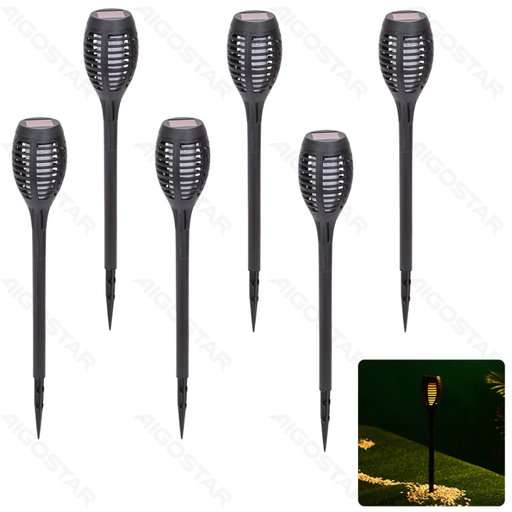
Why This Fits Their Persona: Perfect for anyone looking for atmospheric and decorative lighting. The realistic flame effect creates a warm ambiance for garden parties, patios, or as an accent in flowerbeds. The solar light set ensures a uniform look.
The product specifies a clear runtime of 8–12 hours after 4–6 hours of charging. It also states the IP44 rating, which is a transparent and realistic specification for a decorative light in a suitable location.
The flame effect provides a unique aesthetic. Being supplied in a 6-pack allows for cost-effective and widespread decoration.
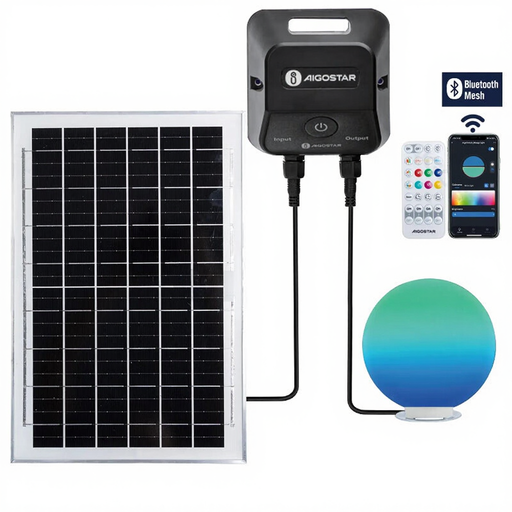
Why This Fits Their Persona: For users who want full control, high performance, and smart features. With Bluetooth Mesh technology, over 200 devices can be networked and controlled, including colour and brightness adjustments.
This product bypasses all traps with transparent, high-end specifications: a high luminous flux of 350 lumens, a very robust IP65 rating, and a powerful 8000 mAh lithium battery. The specifications are precise and verifiable.
Comprehensive smart control (RGBCCT) and networking capabilities. Its high brightness and weather resistance make it a versatile and durable lighting solution.
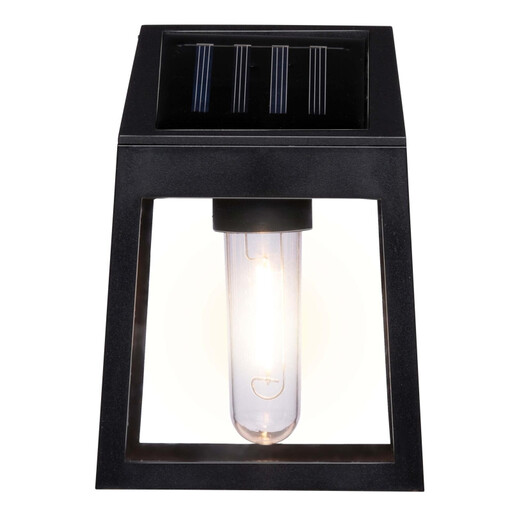
Why This Fits Their Persona: This solar wall light is designed for targeted illumination of house entrances, fences, or patio walls. It enhances security and adds architectural accents without the need for complex wiring.
The product is clearly defined for a specific purpose. The technical data, such as the 600 mAh Ni-MH battery, is appropriate for a compact accent light and communicated transparently, which prevents false expectations regarding brightness.
Compact, minimalist design for seamless integration on walls. The automatic dusk-to-dawn function ensures effortless and reliable lighting.
We've compiled a complete, real-time updated list of products that fully meet these strict selection criteria and German safety regulations.
The lifespan of a solar light depends on three main components: the LED bulb, the battery, and the housing. LEDs have a very long life, often 15,000 hours or more. The weakest link is typically the battery, which loses capacity after 1-3 years depending on quality and charge cycles. On many higher-quality models, the battery can be replaced. The housing material (e.g., weather-resistant ABS plastic or stainless steel) and the IP rating determine how well the light withstands the elements.
Yes, but with reduced performance. Solar panels also charge in diffuse light, but much more slowly than in direct sunlight. In winter, the days are shorter and the sun's radiation is weaker, which leads to a shorter runtime at night. Expect noticeably lower performance in the months from November to February. To maximise efficiency, the solar panels should always be kept clean and free of snow or leaves.
No, and that is one of the biggest advantages of solar lights. Since they do not require a connection to the power grid, no wiring is required. Installation is usually very simple: path lights are inserted into the ground with a stake, while wall lights are attached to the wall with a few screws. This makes them a flexible and safe DIY solution for any garden owner.