
Lieferung heute & morgen

Qualitätsgarantie

Willkommens-Angebote freischalten: KOSTENLOSE Lieferung | Bis zu 80 % RABATT | Kostenlose 30-Tage-JoyPlus-Testphase
App herunterladen
As a Joybuy Product Recommendation Officer, I see daily how simple and rewarding well-planned, power-free garden lighting can be. Solar lights transform gardens, balconies, and pathways into atmospheric oases—all without complex wiring or additional electricity costs. However, the market is flooded with products whose promises quickly fade in reality. To ensure your investment brings you joy long after the first summer, I'll show you which pitfalls to watch out for and which technical features truly matter.
Many buyers are disappointed shortly after their purchase because their new lights quickly lose power or don't survive the first autumn storm. This is often due to exaggerated marketing claims that conceal critical weaknesses.
To avoid these pitfalls, you should check three core parameters before buying. These provide an objective basis for your decision, far from marketing buzzwords.
The IP (Ingress Protection) rating is a two-digit code that indicates how well a device is protected against the ingress of foreign objects (first digit) and water (second digit). For waterproof solar lamps in outdoor areas, the following values are relevant:
The combination of the battery and panel determines how much energy can be stored and how long the light can operate.
Not every outdoor LED solar light serves the same purpose. The light specifications tell you what a light is best suited for.
Here are some recommendations tailored to different needs and applications.
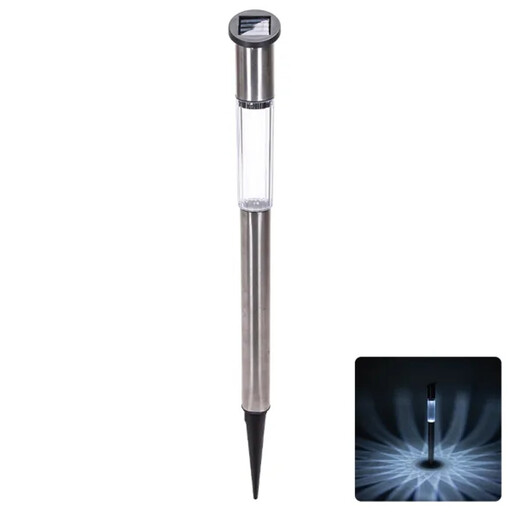
Why this product is a great fit: Ideal for users looking for straightforward and functional lighting for garden paths or flowerbed borders. The ground stake installation is incredibly simple and requires no tools.
The stainless steel housing is more durable than plain plastic. The IP44 certification clearly indicates that the light is protected against splashing water, setting realistic expectations for its weather resistance.
A combination of durable material (stainless steel) and ease of use. The cool white light (6500 K) ensures clear visibility on pathways.
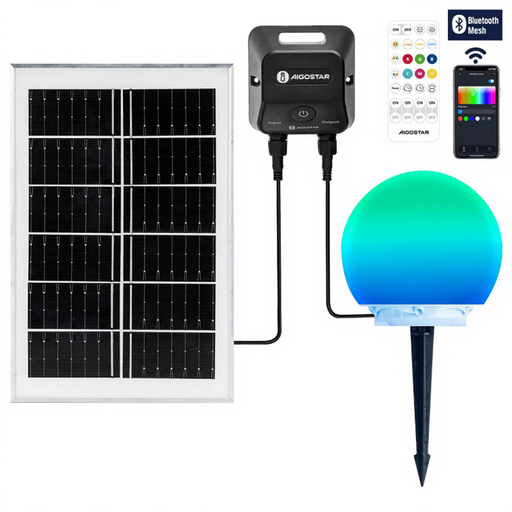
Why this product is a great fit: Perfect for anyone who wants full control over their lighting ambience. Over 200 lights can be controlled simultaneously via a smartphone, from warm white to any imaginable RGB colour.
The high IP65 rating ensures functionality even in heavy rain. The powerful 4000 mAh lithium battery and monocrystalline panel back up performance claims with solid technology.
Smart control via Bluetooth Mesh and full flexibility in lighting design (RGBCCT). The solar panel can be optimally positioned towards the sun thanks to its long cable.
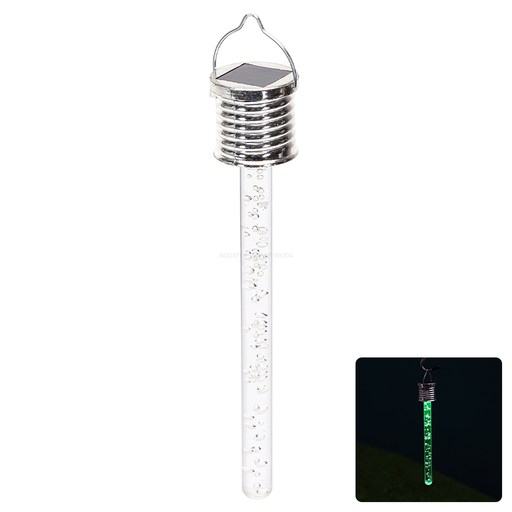
Why this product is a great fit: For anyone who loves to decorate with light. The design, featuring a bubble stick and RGB colour-changing function, adds playful, colourful accents to flowerbeds, pots, or along patio edges.
The light is clearly positioned as "ambient lighting," which prevents false expectations regarding brightness. The IP44 rating is sufficient for a decorative light in a flowerbed and is communicated transparently.
A unique design with a decorative RGB colour-changing effect. The light is an eye-catcher by day and creates a vibrant, atmospheric mood at night.
We have compiled a complete, up-to-date list of products that fully meet these strict selection criteria and all relevant safety standards.
The lifespan of a solar light depends on several components. The LEDs themselves often have a very long life of 15,000 hours or more. The limiting factor is usually the battery, which loses capacity after 2 to 4 years, depending on its type and quality. However, the battery can be replaced in many models. The quality of the housing material also plays a role in longevity.
Yes, solar lights do work in diffuse light, but with reduced performance. On cloudy days or during the shorter winter days, the batteries charge more slowly and not completely. This results in a shorter runtime at night. For the best possible performance in winter, a location with maximum sun exposure and a high-quality, efficient solar panel are crucial.
The ideal location is a spot that receives at least 6 to 8 hours of direct, unobstructed sunlight daily. Avoid shadows from buildings, trees, fences, or roof overhangs. Also, ensure the solar panel is kept clean, as dirt, dust, or snow can significantly reduce charging efficiency.