
Lieferung heute & morgen

Qualitätsgarantie

Willkommens-Angebote freischalten: KOSTENLOSE Lieferung | Bis zu 80 % RABATT | Kostenlose 30-Tage-JoyPlus-Testphase
App herunterladen
As your Joybuy Product Recommendation Officer, my mission is to provide you with clear, objective information. When choosing solar garden lights, there are several common pitfalls that can lead to disappointment. This guide will help you understand the essential features and make an informed decision.
The appeal of solar-powered garden lights is obvious: no wiring, no electricity costs, and automatic operation thanks to dusk-to-dawn sensors. However, not all products live up to their promises. Before you invest, you should be aware of the following three common problems:
To avoid these issues, it's crucial to focus on technical specifications rather than marketing claims.
Durable and functional solar outdoor lighting depends on a few, but decisive, technical specifications. Focus on these three core parameters to separate the high-quality options from the rest.
The IP (Ingress Protection) rating indicates how well an electrical device is protected against the ingress of foreign objects and water. For outdoor solar lights, this is a critical quality indicator.
A weather-resistant design with at least an IP44 rating is essential for reliable performance.
For LED products, "watts" describes energy consumption, not brightness. The relevant unit for light output is luminous flux, measured in lumens (lm).
Pay attention to the lumen specification to ensure the LED solar garden lights meet your brightness requirements.
The combination of the solar panel and battery determines how long your light will stay on after sunset.
A balanced system with an efficient panel and a high-capacity battery is the key to reliable performance, especially during the less sunny months.
Based on these objective criteria, we have identified some products that are suitable for specific user profiles and their requirements.
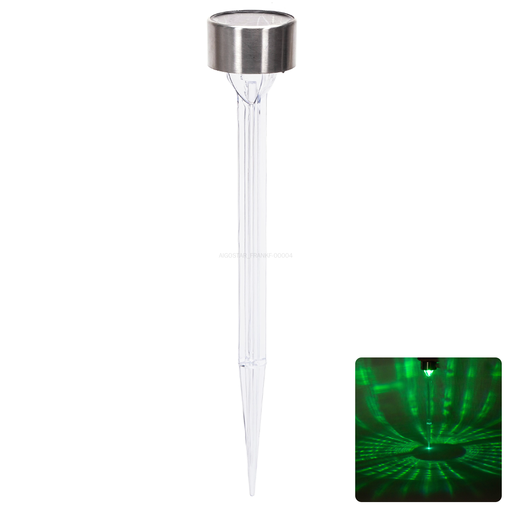
Why It's a Good Fit: Ideal for users who want to create targeted colour accents in flowerbeds, along paths, or on a balcony with a solar light set. The focus here is clearly on the decorative effect.
The product is designed as mood lighting and doesn't create false expectations of high brightness. The IP44 certification provides sufficient protection for use as a decorative element in sheltered garden areas.
The automatic colour-changing (RGB) feature creates a varied atmosphere. Installation via the ground stake is straightforward and requires no tools.
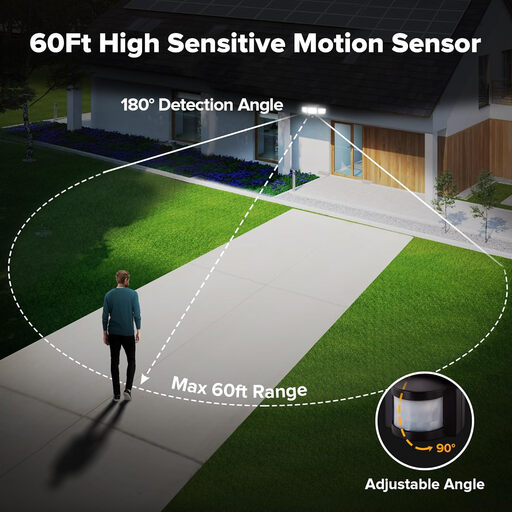
Why It's a Good Fit: Designed for users who need high-performance lighting for driveways, garages, or dark areas of their property. The focus is on security and maximum illumination.
With a light output of 3000 lumens, this floodlight solves the problem of dim solar lights. The IP65 rating ensures it can withstand heavy rain, making it truly weather-resistant.
Three flexible, adjustable heads allow for wide and targeted illumination (270°). The long-range motion sensor provides light on demand.
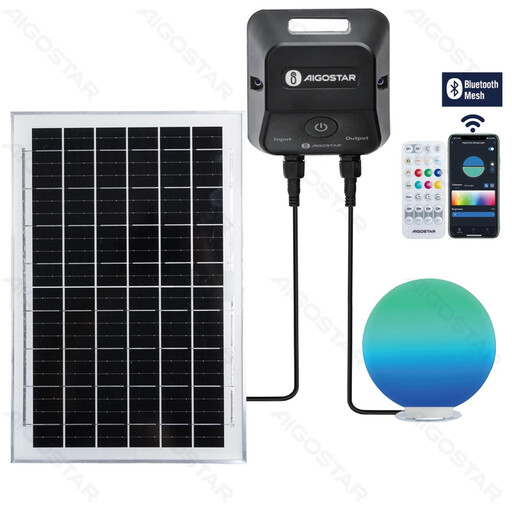
Why It's a Good Fit: For tech-savvy users who want to control their solar garden lights via an app. Ideal for creating dynamic lighting scenes with full control over colour, brightness, and schedules.
This model uses a high-performance lithium iron phosphate (8Ah) battery and an efficient monocrystalline panel, ensuring a long runtime. The IP65 rating guarantees high durability.
Control via Bluetooth Mesh allows for networking up to 200 devices. The RGBCCT function permits seamless adjustment of millions of colours as well as white tones (2700K-6500K).
We have compiled a complete, up-to-date list of products that fully meet these strict selection criteria and all relevant safety regulations.
Yes, solar lights do work in diffuse light, but with reduced performance. The solar panel charges the battery more slowly, which leads to a shorter runtime at night. Models with high-quality, large solar panels (especially monocrystalline ones) and high-capacity batteries are better suited for year-round use. For optimal performance in winter, the panels should be kept free of snow.
The lifespan depends on the quality of the individual components. The LEDs themselves are very durable, with 15,000 to 50,000 operating hours. The limiting factor is usually the battery. Depending on the type (NiMH or lithium-based) and intensity of use, a replacement may be necessary after 1 to 3 years. The durability of the housing, determined by the material and IP rating, is also crucial for the overall lifespan.
Solar garden lights are very low-maintenance. The most important task is to regularly clean the solar panel with a soft, damp cloth. Dust, pollen, or bird droppings can significantly reduce charging efficiency. Also, ensure that the light is placed in a location with as much direct sunlight as possible and is not shaded by trees, shrubs, or buildings.