
Lieferung heute & morgen

Qualitätsgarantie

Willkommens-Angebote freischalten: KOSTENLOSE Lieferung | Bis zu 80 % RABATT | Kostenlose 30-Tage-JoyPlus-Testphase
App herunterladen
By Joybuy Product Recommendation Officer, August 29, 2026
Solar garden lights promise simple, atmospheric lighting with no electricity costs or cable installation. But the reality is often different: lights that fail after a rain shower, go out after just two hours, or whose light is barely perceptible. Many buyers feel misled by exaggerated marketing promises.
This guide reveals the most common pitfalls and explains which technical features truly matter, ensuring your solar lights for the garden become a durable and worthwhile investment.
Before making a purchase, it's important to understand the typical weaknesses that often only become apparent after a few weeks.
An informed choice based on objective criteria will protect you from these typical problems and ensure your solar garden decor continues to bring you joy next season.
To separate the wheat from the chaff, you should carefully examine three technical parameters. This information is usually found in the product specifications.
The IP (Ingress Protection) rating indicates how well a device is protected against the entry of foreign objects and water. For waterproof outdoor solar lights, this is the most important criterion.
Conclusion: For durable solar patio lighting or freestanding garden lights, you should opt for models with at least an IP65 rating.
The illumination time depends directly on the stored energy. Pay attention to the battery capacity, given in milliampere-hours (mAh), and the technology used.
The colour of the light significantly influences the mood. The colour temperature is measured in Kelvin (K).
Many products also offer various lighting modes (e.g., flashing, dimming, steady on), which provide additional creative freedom. A memory function that retains the last selected mode is a practical convenience feature.
Based on the quality criteria mentioned, we have identified some products that are well-suited for specific applications.
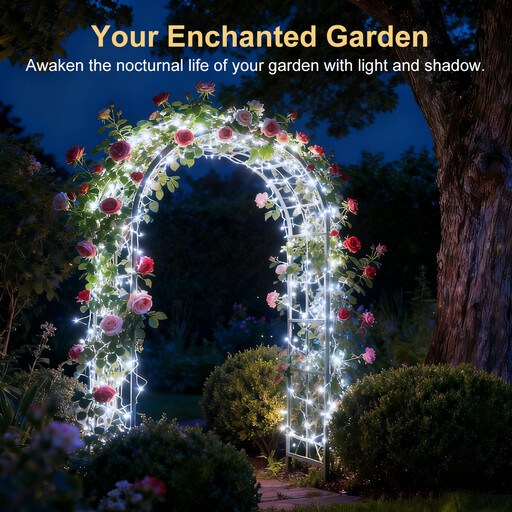
Why This Fits Their Persona: Ideal for users who want to creatively and effortlessly decorate trees, fences, balcony railings, or vases. The flexible copper wire is easy to bend into any desired shape, and the double pack offers plenty of length for larger projects.
The IP65 certification provides reliable protection against rain and moisture. The specified runtime of 8–14 hours, depending on sun exposure, indicates a balanced ratio of solar panel to battery, counteracting the problem of short illumination times.
8 different lighting modes with a memory function for varied effects. The set includes two separate 8-metre string lights for versatile applications.
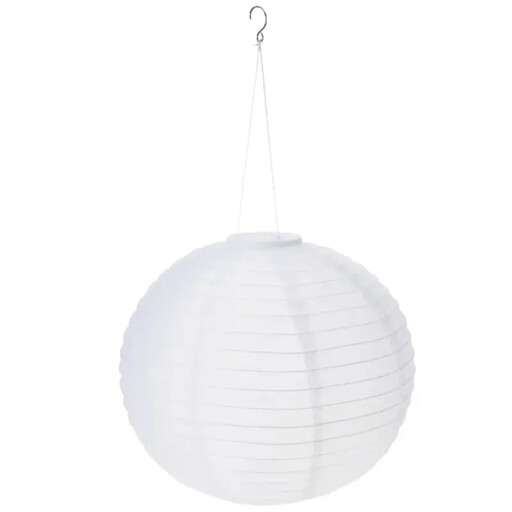
Why This Fits Their Persona: Perfect for anyone looking for a single, striking decorative object. This spherical solar light creates an elegant and serene atmosphere on the patio or in a garden corner, whether used as a hanging or table lamp.
The weatherproof nylon material is more durable than simple plastic shells that quickly become brittle. The integrated dusk-to-dawn sensor ensures reliable automatic operation and avoids the hassle of manual switches.
Minimalist, spherical design for a soft, diffuse light distribution. Thanks to the hanging hook, it can be used flexibly as a hanging or standing lamp.
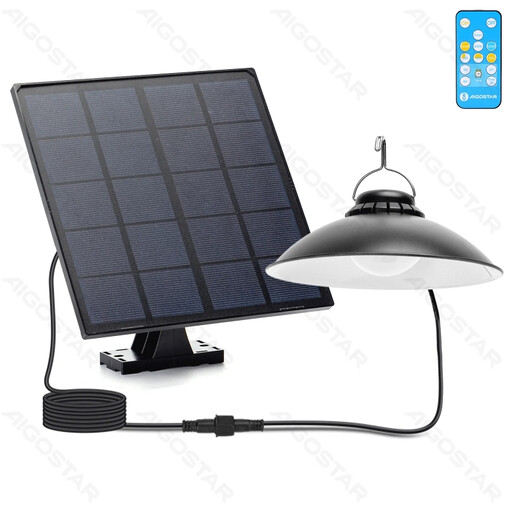
Why This Fits Their Persona: The solution for places where the light itself needs to hang in the shade (e.g., in a gazebo, garden shed, or on a covered balcony). Thanks to the 3-metre cable, the solar panel can be optimally placed in the sun.
This model bypasses the problem of a short lifespan by using a 5000 mAh LiFePO4 battery, which is known for its durability. The IP65 rating for both the light and the panel ensures high weather resistance.
Separate solar panel for maximum flexibility during installation. The colour temperature is switchable between warm, neutral, and cool white.
We have compiled a complete, up-to-date list of products that fully meet these strict selection criteria and UK safety regulations.
Yes, but with limitations. The fewer hours of sunlight and the lower angle of the sun in winter mean that the batteries do not fully charge. The illumination time per night is therefore significantly shorter than in summer. Models with high-efficiency solar panels and large batteries perform better in these conditions. An unobstructed, south-facing position is particularly important in winter to maximise sun exposure.
The lifespan depends on the quality of the components. The LED bulb itself usually lasts for many years (often 15,000 hours or more). The critical component is the battery. Inexpensive Ni-MH batteries can lose performance after 1-2 years. However, in many models, the battery can be easily replaced (they are often standard AA or AAA rechargeable batteries). Models with LiFePO4 batteries offer a significantly longer lifespan.
The ideal location for a solar panel is a spot that receives at least 6-8 hours of direct, unobstructed sunlight daily. A south-facing orientation is optimal in the northern hemisphere. Avoid placing it under trees, eaves, or near nighttime light sources like streetlights, as these can interfere with the dusk-to-dawn sensor. Clean the panel regularly with a soft cloth to remove dust and dirt to maintain charging efficiency.