
Lieferung heute & morgen

Qualitätsgarantie

Willkommens-Angebote freischalten: KOSTENLOSE Lieferung | Bis zu 80 % RABATT | Kostenlose 30-Tage-JoyPlus-Testphase
App herunterladen
Using solar power for atmospheric garden lighting is an attractive and eco-friendly choice. However, the market is flooded with options, and not every solar light delivers on its promise. An uninformed purchase often leads to disappointment when lights lose their brightness after a short time or fail to withstand harsh weather. This guide will help you avoid the common pitfalls and make a well-informed decision.
Many products on the market entice buyers with attractive images, but the devil is in the details. Pay attention to these three points to avoid a bad investment:
To find a durable and functional solar lamp for your garden, you should carefully examine three technical parameters. These are crucial in determining the quality and reliability of your new solar garden lighting.
The IP (Ingress Protection) rating indicates how well an electrical device is protected against the intrusion of foreign objects and water. For outdoor use, an IP44 rating is the absolute minimum.
A weather-resistant solar light with at least an IP44 certification is therefore equipped to handle rain. For highly exposed locations without any cover, a higher rating like IP65 (dust-tight and protected against water jets) may be advisable.
The material directly impacts durability and aesthetics.
The performance of a solar light depends on the combination of its battery and solar panel.
Instead of a one-size-fits-all recommendation, we've curated products for different user profiles.
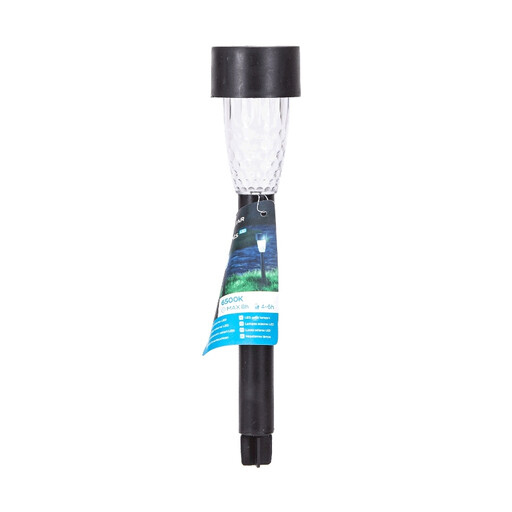
Why this model fits: Ideal for users seeking a straightforward and affordable solution for basic solar path lighting or for accenting flowerbeds. Installation is incredibly simple and requires no prior experience.
This model has an explicit IP44 certification, protecting it against splashing water. The polypropylene (PP) housing is more weather-resistant than many low-cost plastics.
Provides reliable basic illumination with cool white light (6500K) and is easy to use thanks to the integrated solar lights with ground stakes.

Why this model fits: For users who value appealing aesthetics and durability. The stainless steel design blends elegantly into modern gardens and has a more premium feel than all-plastic lights.
The use of stainless steel prevents issues with rust and rapid material fatigue. The IP44 rating ensures functionality even in bad weather.
Combines a robust, corrosion-resistant construction with a long lifespan of 15,000 hours (according to the manufacturer) and a polycrystalline solar panel for efficient charging.
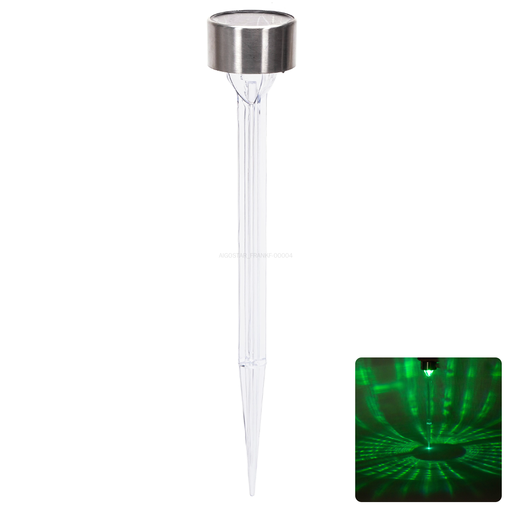
Why this model fits: Perfect for anyone who wants to get creative with light. The RGB function allows for colourful accents for parties, patios, or highlighting special plants—a true colour-changing solar light.
While many colourful lights can look toy-like, this model combines its RGB function with a solid stainless steel housing and the necessary IP44 weather resistance.
Offers flexible design possibilities with its automatic colour-changing mode and a solid technical foundation, including a 200mAh battery for a runtime of up to 8-12 hours (according to the manufacturer).
We have compiled a full list of products that meet these selection criteria and are suitable for outdoor use.
The actual runtime depends on several factors: battery capacity (mAh), solar panel efficiency, geographic location, and the time of year. On a sunny summer day, high-quality models can achieve 8 hours or more. On overcast days or in winter, the runtime is significantly reduced, often to just a few hours. Look for the highest possible battery capacity and a quality panel.
Yes, but with limitations. In winter, sunlight is weaker and the days are shorter, preventing the batteries from fully charging. The runtime will be shorter than in the summer. To maximise performance, place the lights in a location that receives as much direct sunlight as possible, even in winter, and is not shaded by buildings or trees. Regularly cleaning snow and debris from the panel is also important.
That depends on the quality of the light. Models with a high IP rating (at least IP44) and robust materials like stainless steel or UV-resistant plastic can generally be left outside. However, during a hard frost, it may be advisable to bring them indoors to protect the battery, as extreme cold can impair its lifespan. If you store the lights for the winter, turn them off and keep them in a dry, frost-free place.