
Lieferung heute & morgen

Qualitätsgarantie

Willkommens-Angebote freischalten: KOSTENLOSE Lieferung | Bis zu 80 % RABATT | Kostenlose 30-Tage-JoyPlus-Testphase
App herunterladen
Solar garden lights don’t need a mains connection and can usually be installed without tools. Even so, not every solar light is right for every garden. Disappointing purchases are common when product images suggest a brighter light than the product delivers, technical details are incomplete or the IP rating is misunderstood.
If you’re buying solar lights for your garden, don’t focus on design alone. The intended location, available sunlight, light colour, IP rating and stated charging and lighting times are all important.
Claims such as ‘up to 8–12 hours’ usually assume suitable charging conditions. In a shady spot, during short winter days or after several cloudy days, the actual lighting time may be shorter. Ideally, place your solar garden light somewhere that gets direct sunlight.
A rating such as IP44 protects against solid objects larger than 1 mm and water splashes. It doesn’t mean a light can be submerged in water or left out in heavy rain for long periods. IP65 offers greater protection against dust and water jets, but it doesn’t guarantee that a light can be fully submerged.
Warm white solar lights at around 2700 Kelvin give off a softer, more yellow-toned glow. Cool white at 6500 Kelvin looks noticeably brighter and crisper. RGB solar lights change colour and are best suited to decorative accents. They’re not automatically the best choice for consistent lighting along a path.
Solar stake lights are practical for paths and flower bed edges, as you can push them straight into soft ground. Solar ground lights or low-level lights can work well on lawns and in decorative areas. Solar string lights are a good option for patios, balconies, fences and trees, as their flexible cables can be arranged to suit different shapes.
Before you buy, check:
IP44 may be sufficient for sheltered outdoor areas, provided the light isn’t placed in a dip where water can collect. For exposed solar string lights and damper locations, choosing a higher rating such as IP65 is a sensible option. Whatever the rating, check the solar panel and casing regularly for dirt.
The solar garden lights below cater to a range of needs. The details are based on the respective product descriptions.
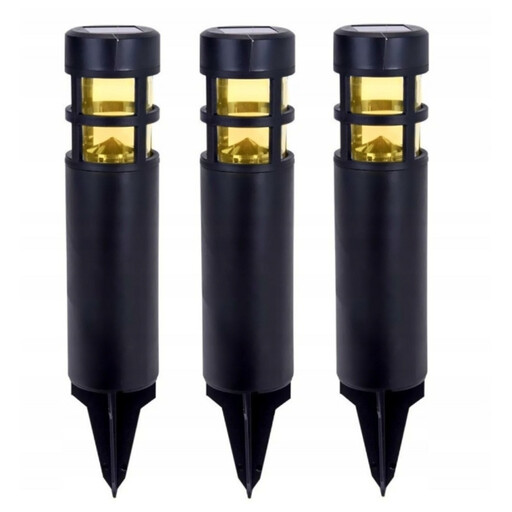
Why this product suits this type of buyer: This pack of 3 is an easy way to get started with lighting a small path, flower bed or area of your garden. The lights charge in daylight and switch on automatically when it gets dark.
The manageable pack size makes planning easier. Before buying, though, check the full product details for the exact IP rating.
3 lights per pack; switch on automatically at dusk; a basic cordless lighting set-up.
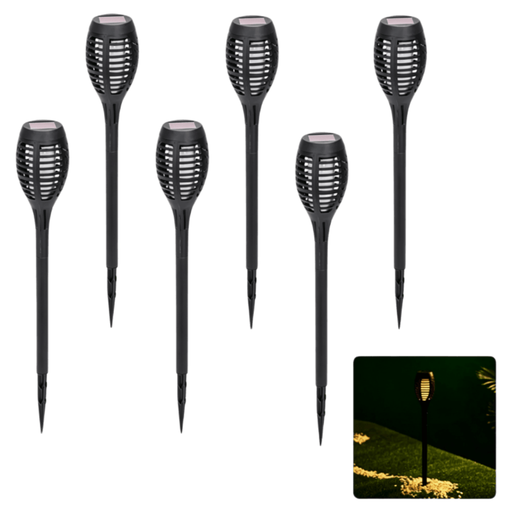
Why this product suits this type of buyer: The warm-white light at 2700 Kelvin and flickering flame effect add decorative accents to paths, patios and lawns.
The product details clearly state the charging time, lighting time and IP44 rating. This helps prevent splash resistance from being mistaken for complete waterproofing.
Pack of 6; 2700 Kelvin; according to the product details, a charging time of 4–6 hours and a lighting time of 8–12 hours in suitable conditions.
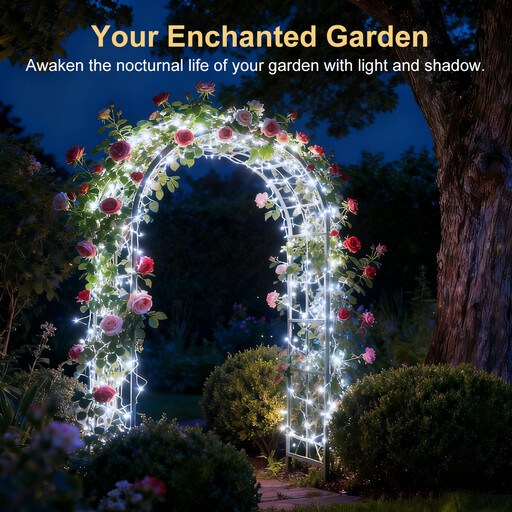
Why this product suits this type of buyer: The two string lights are 8 metres long each, making them suitable for balconies, fences, trees, windows or seasonal decorations.
The IP65 rating and 8 lighting modes provide key details for choosing where to use the lights. The solar panel still needs direct sunlight to charge the battery.
2 × 8 metres; 80 LEDs each; IP65; 8 modes with memory function; according to the product details, a lighting time of 8–14 hours depending on the weather.
We’ve put together a complete, regularly updated list of products that meet these strict selection criteria and fully comply with the safety regulations in force in the EU.
Lighting time depends on battery capacity, the solar panel, the time of year, shade and the weather. Product claims of 8–12 hours generally assume sufficient sunlight and a fully charged battery. Lights may run for less time in winter.
Ideally, the solar panel should get several hours of direct sunlight. Areas beneath trees, canopies or next to high walls can reduce charging performance. Solar stake lights also need firm ground that doesn’t stay wet.
They don’t need a mains connection while they’re in use. The built-in batteries charge through the solar panel during the day. So they don’t normally add to your mains electricity use, although you should allow for battery wear and possible replacement later, as set out in the manufacturer’s guidance.