
Lieferung heute & morgen

Qualitätsgarantie

Willkommens-Angebote freischalten: KOSTENLOSE Lieferung | Bis zu 80 % RABATT | Kostenlose 30-Tage-JoyPlus-Testphase
App herunterladen
Solar lights promise a simple and cost-effective way to illuminate your garden, balcony, or patio. Installation is straightforward, there are no electricity costs, and their automatic function is convenient. However, the reality is often different: many products disappoint after just a short time. Before making a purchase, it's crucial to understand the most common flaws often hidden behind appealing product images.
The three most common problems with solar lights are:
To avoid these disappointments, you should check a few technical specifications before buying.
An informed purchasing decision is based on objective criteria, not marketing promises. Pay attention to the following three key metrics to correctly assess the performance and longevity of solar lights for the garden.
The IP (Ingress Protection) rating indicates how well an electrical device is protected against the intrusion of foreign objects and water. For waterproof solar lights used outdoors year-round, this is a critical feature.
wire-free garden lighting, IP65 is a solid baseline.The runtime of a solar lamp depends directly on the capacity of its built-in battery and the efficiency of the solar module.
The brightness of a light is measured in lumens (lm). The required value depends on the application.
solar garden decor or outdoor solar string lights, low lumen values (approx. 5–50 lm) are sufficient to create an ambient atmosphere.Solar lights with ground stakes or small wall lights are ideal for this purpose.solar floodlight with motion sensor for illuminating driveways or entryways should achieve a brightness of at least 300 lm, or preferably 500 lm or more, to ensure clear visibility.Based on these objective criteria, we have selected products for different user profiles and requirements.
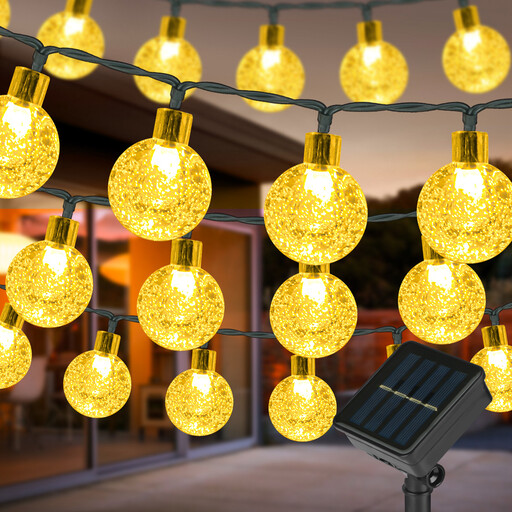
Why it's a great fit: Ideal for users who want to create a warm and inviting atmosphere on their balcony, patio, or for garden parties without worrying about cables.
The specified IP65 rating ensures durability even in the rain. The manufacturer's stated runtime of 8–14 hours after a full charge addresses the problem of short-lived budget products.
Eight different lighting modes allow for flexible atmosphere customisation. The installation requires no tools and is completed in minutes.
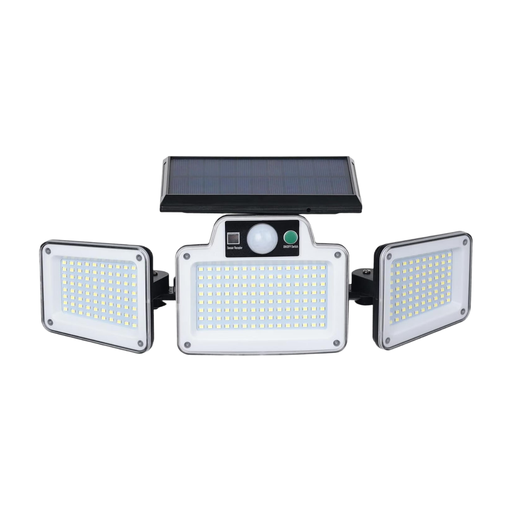
Why it's a great fit: Designed for functional illumination of driveways, garages, or dark garden areas where bright, motion-activated lighting enhances security.
The separate solar panel with a long cable allows for installation in a sunny spot, even if the light itself is in the shade. The 280 LEDs provide the high brightness required for security purposes.
Three adjustable light heads enable wide and targeted illumination. The remote control with three different modes offers maximum flexibility.
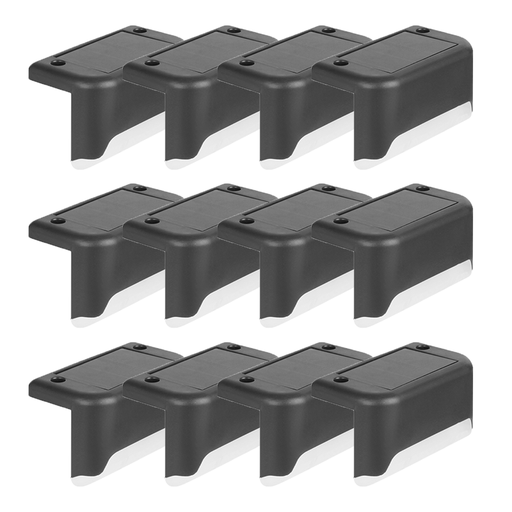
Why it's a great fit: A practical solution for anyone looking to make stairs, fences, or patio edges safer with subtle guidance light, without creating tripping hazards.
The durable ABS housing and weatherproof construction ensure longevity. The warm white light is glare-free and serves for orientation, rather than disappointing with insufficient brightness.
The 12-pack offers excellent value for money for illuminating larger areas. The compact, low-profile design minimises tripping hazards and allows for discreet installation.
We have compiled a complete, up-to-date list of products that fully meet these strict selection criteria and all relevant safety standards.
Do solar lights work in winter or on cloudy days? Yes, modern solar lights also work in diffused light, but with reduced performance. The charging time will be longer, and the runtime per night may be shorter. Models with high-quality, larger solar panels and efficient batteries perform better in these conditions than basic versions.
What does the IP rating mean for solar garden lights? The IP rating classifies a housing's protection against the ingress of foreign objects (first digit) and water (second digit). For outdoor use, IP44 (protection against splashing water) and IP65 (protection against water jets) are relevant. For lights that are fully exposed to the weather, IP65 or higher is the recommended choice for a long lifespan.
What is the lifespan of an average solar-powered LED garden light? The solar LED garden lights themselves have a very long lifespan, often exceeding 20,000 hours. The limiting component is typically the rechargeable battery. Depending on its quality and usage intensity, its performance may decline after 1 to 3 years. However, in many models, the battery can be easily and affordably replaced.