
Lieferung heute & morgen

Qualitätsgarantie

Willkommens-Angebote freischalten: KOSTENLOSE Lieferung | Bis zu 80 % RABATT | Kostenlose 30-Tage-JoyPlus-Testphase
App herunterladen
An illuminated garden or balcony creates an inviting atmosphere, extends your evenings outdoors, and enhances security. However, installing conventional lighting often involves hassle and electricity costs. Solar garden lights offer a practical and eco-friendly alternative. They require no cables, are easy to install, and use the sun's free energy.
This guide is designed to help you understand how solar garden lighting works and make an informed decision. As your Joybuy Product Recommendation Officer, I have compiled objective criteria and product features to simplify your selection process.
The variety of outdoor solar lamps is vast. To find the right models for your needs, a few technical aspects are crucial.
Since the lights remain outdoors year-round, weather resistance is a key criterion. The IP (Ingress Protection) rating indicates how well a light is protected against the entry of foreign objects and water.
The lighting duration depends directly on the battery's capacity (measured in milliampere-hours, mAh) and the efficiency of the solar panel. A larger solar panel and a higher-capacity battery allow for longer illumination after dusk. Typical lighting times range from 6 to 10 hours on a full charge. Models with high-quality components can achieve even longer durations.
Consider the purpose your lighting will serve. Is it for decoration or security?
Here is a selection of solar lights that cover different needs—from decorative string lights to functional spotlights.

Why This Model Stands Out: This outdoor solar string light features a flexible copper wire that can be effortlessly wrapped around plants, railings, or decorative objects. With 12 meters of length per string, the set offers generous reach for creative design ideas.
Advantages:
Who It's For: Ideal for users looking for flexible and atmospheric decorative lighting for their balcony, patio, parties, or year-round garden design.

Why This Model Stands Out: This 5-pack from Grundig offers a straightforward solution for illuminating paths or flowerbeds. Its special feature is the choice between classic warm white light and an automatic RGB colour-changing mode for varied effects.
Advantages:
Who It's For: Perfect for garden owners who prefer a simple and effective solar garden decor solution for flowerbeds, lawns, or garden paths.
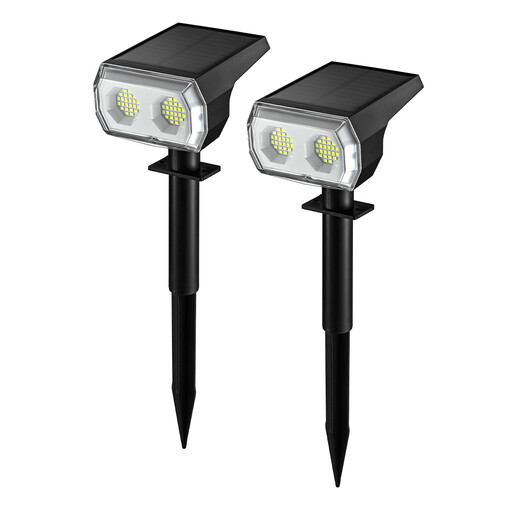
Why This Model Stands Out: This solar spotlight for the garden is designed for functional and bright illumination. With 48 LEDs per spotlight and two selectable lighting modes, it is ideal for targeted illumination of objects or for increasing security.
Advantages:
Who It's For: For homeowners who need a powerful and reliable LED solar light with a motion sensor function to illuminate driveways, paths, fences, or to accent trees.
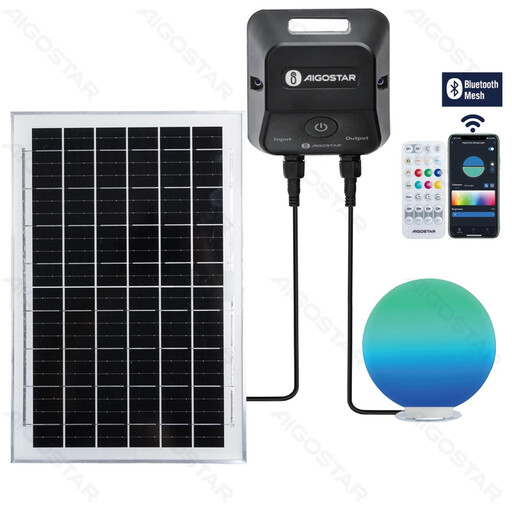
Why This Model Stands Out: This model from Aigostar combines solar technology with smart control. Using Bluetooth Mesh technology and an app, you can conveniently control the colour (RGBCCT), brightness, and schedules from your smartphone.
Advantages:
Who It's For: For tech-savvy users who want maximum control and customisation for their garden lighting and wish to build a smart, connected system.
Haven't found the right solution yet, or want to compare more models? Our wide selection includes additional options for various applications.
? Discover more Garden Path & Tree Lights here.
1. How long do solar garden lights stay on? The lighting duration depends on the amount of sun exposure during the day, the quality of the solar panel, and the battery capacity. On average, most models will stay lit for 6 to 8 hours after a full charge. More powerful products can last 10 hours or more.
2. Do outdoor solar lamps work in winter or on cloudy days? Yes, solar lights also charge in diffuse light, but with lower efficiency. On cloudy days or in winter, when daylight hours are shorter, the lighting duration will typically be shorter. Therefore, placement with maximum sun exposure is important year-round.
3. What does the IP rating on solar lights mean? The IP rating classifies an electrical device's protection against the ingress of foreign objects (first digit) and water (second digit). For outdoor use, IP44 (protection against splashing water) is a common minimum standard. IP65 (protection against water jets) or higher offers better protection against adverse weather conditions like heavy rain.