
Lieferung heute & morgen

Qualitätsgarantie

Willkommens-Angebote freischalten: KOSTENLOSE Lieferung | Bis zu 80 % RABATT | Kostenlose 30-Tage-JoyPlus-Testphase
App herunterladen
Solar lights promise a simple and cost-effective way to bathe your garden, balcony, or patio in an atmospheric glow. But the reality is often different: lights that fail after the first downpour, an illumination time that barely lasts for a short evening, or a light that resembles a dim flicker. As a Joybuy Product Recommendation Officer, I see daily what features distinguish a durable product from a short-lived one. This guide shows you which three pitfalls to watch out for and which technical specifications truly matter.
Many purchasing decisions are based on appealing product images and marketing promises. Disappointment often follows within a few weeks. These three problems are particularly common:
To avoid these pitfalls, you should check three core technical features before buying. These will give you an objective basis for your decision.
The IP (Ingress Protection) rating is an internationally standardised code that indicates how well a housing is protected against the ingress of foreign objects (first digit) and water (second digit).
The performance of an LED solar light depends directly on the interplay of these three components:
The type of light determines the atmosphere. Consider what purpose the lighting should serve.
Here are some models tailored to specific use cases that meet the criteria mentioned above.
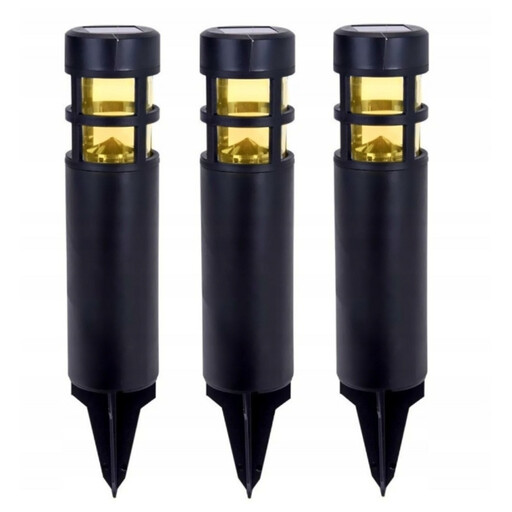
Why this model is a great fit: Ideal for anyone wanting to gain initial experience with solar lighting without a large investment. The 3-piece set is perfect for providing subtle guidance light along paths or in flowerbeds. Installation is incredibly simple: just stake them into the ground.
This set doesn't promise excessive brightness but delivers a functional, gentle illumination. The focus is on the automatic function via the dusk-to-dawn sensor, not on an unrealistic illumination time.
Simple, tool-free installation. The set offers a cost-effective solution for uniform basic lighting.
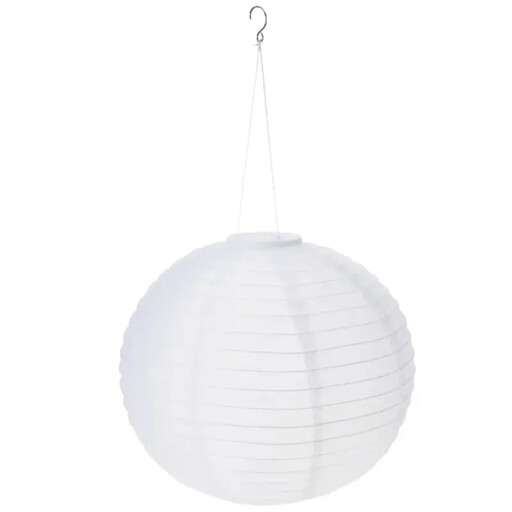
Why this model is a great fit: For those who value aesthetics. This solar garden sphere creates a soft, diffuse light and serves as a stylish decorative element even during the day. Thanks to its hook, it can be flexibly hung in trees, on pergolas, or on the balcony.
The product description is transparent: the weatherproof nylon fabric is designed for outdoor use, and the specified illumination time of approx. 6 hours is a realistic figure for a decorative light of this type.
Elegant, minimalist design. The material ensures an even, warm light distribution reminiscent of classic paper lanterns.
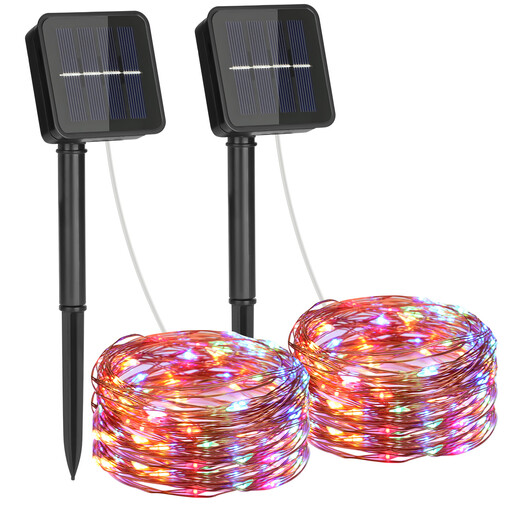
Why this model is a great fit: Perfect for parties, holidays, or decorating large areas. The flexible copper wire is easy to wrap around railings, branches, or furniture. With 8 light modes and colourful LEDs, this outdoor solar string light creates a vibrant atmosphere.
The string light has an IP65 rating, making it explicitly suitable for unprotected outdoor use. The specified illumination time of 8–14 hours after a 6–8 hour charge is based on an efficient solar panel.
Eight different light modes with a memory function. The 2-pack, with a total length of 24 metres, offers excellent value for money for large-scale decoration projects.
We have compiled a comprehensive, up-to-date list of products that fully meet these strict selection criteria and safety regulations.
The lifespan of a solar light is mainly determined by two components: the battery and the housing. The LEDs themselves have a very long lifespan. The rechargeable battery is a consumable part and, depending on its quality and charge cycles, has a lifespan of about 1 to 3 years. It can be replaced in many models. The durability of the housing depends on the material (e.g., UV-resistant ABS plastic, stainless steel) and the quality of construction.
Yes, but with reduced performance. Modern solar panels can generate energy even in diffuse light, but significantly less than in direct sunlight. This leads to a shorter illumination time in the evening during winter or on consistently cloudy days. For reliable operation in the darker seasons, models with large, efficient solar panels and high-capacity batteries (mAh) are the better choice.
Usually not. Almost all current solar lights have an integrated dusk-to-dawn sensor. This detects the ambient brightness and automatically turns the light on at nightfall and off again at daybreak to start the charging process. Before first use, the light usually needs to be activated once via a switch.