
Lieferung heute & morgen

Qualitätsgarantie

Willkommens-Angebote freischalten: KOSTENLOSE Lieferung | Bis zu 80 % RABATT | Kostenlose 30-Tage-JoyPlus-Testphase
App herunterladen
Solar garden lights promise a simple, cost-effective way to illuminate paths, accentuate patios, or give your balcony an inviting ambiance. With no wiring and no additional electricity costs, they are an attractive solution for garden lighting. However, the market is flooded with products whose real-world performance often fails to match the promises on the packaging.
Before you make a purchase, it's crucial to understand the most common pitfalls that lead to disappointment and unnecessary expense.
To make an informed decision, don't be swayed by marketing buzzwords; focus on verifiable technical specifications instead. These three parameters are critical for the longevity and functionality of your garden lighting.
The IP (Ingress Protection) rating indicates how well an electrical device is protected against the intrusion of foreign objects (first digit) and water (second digit). For outdoor use, this is an indispensable quality benchmark.
The battery's capacity, measured in milliampere-hours (mAh), is a key determinant of how long your solar light will stay lit after sunset. A small, inefficient solar panel cannot fully charge even a large battery on cloudy days. Look for a balanced ratio.
A lamp's brightness is measured in lumens (lm), not watts. Watts only indicate energy consumption. The light colour, measured in Kelvin (K), determines the atmosphere.
Instead of making a blanket recommendation, we have identified products suited for specific needs and locations that avoid the pitfalls mentioned above.

Why This Fits Their Persona: Ideal for users looking for durable and atmospheric outdoor solar string lights for parties, patios, or balconies. The warm white light creates an inviting environment.
The IP65 certification ensures high protection against rain. According to the manufacturer, the 1200 mAh battery provides up to 12 hours of illumination, thus bypassing the problem of short runtimes.
The combination of robust plastic and copper wire, along with 8 different lighting modes, offers flexibility and an appealing look.
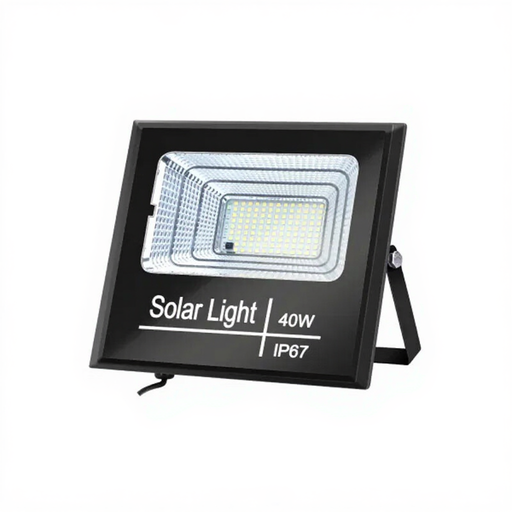
Why This Fits Their Persona: Perfect for homeowners who need reliable, bright lighting for driveways, dark corners, or entrance areas without relying on a power outlet.
The separate solar panel allows for optimal alignment with the sun, while the floodlight can be mounted in the shade. The high IP67 protection rating and the massive 10,000 mAh battery address the main issues of weather resistance and runtime.
The robust construction of aluminium and glass promises durability. The cool white light (6500K) ensures clear visibility and enhanced security.
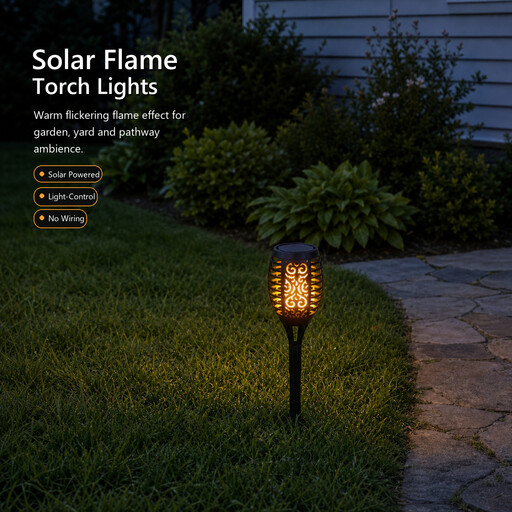
Why This Fits Their Persona: For garden and balcony owners who want to create a warm, dynamic ambiance with minimal effort. The solar garden torches imitate a flickering flame and are ideal for flowerbeds or pots.
With an IP65 protection rating, these torches are designed for year-round outdoor use and can withstand rain and dust. The automatic on/off function ensures efficient energy use.
The realistic flickering effect of the 12 LEDs per torch creates a special atmosphere. Installation via the ground stake is straightforward and completed in seconds.
We have compiled a complete, up-to-date list of products that fully meet these strict selection criteria.
The lifespan depends on several components. The LEDs themselves have a very long life, often exceeding 30,000 hours. The critical factor is the battery. Depending on its type and quality, a battery can last between 2 and 5 years before its capacity noticeably diminishes. High-quality casing construction and a high IP rating also help protect the electronics from the elements and extend the overall lifespan.
Yes, but with reduced performance. Solar panels also charge in diffuse light, but much more slowly than in direct sunlight. In winter, the days are shorter and the sun is lower in the sky, which further reduces charging time. A light with an efficient solar panel and a large battery will still illuminate for a few hours in winter, but it may not achieve the full runtime it does in summer.
The most important aspect is the placement of the solar panel. It should be mounted in a location that receives as much direct, unshaded sunlight as possible throughout the day. In the Northern Hemisphere, a south-facing orientation is ideal. Ensure the panel is not obstructed by trees, eaves, or other objects. With models that have a separate panel, you have the flexibility to position the panel in the sun and the light in the shade. Occasionally clean the panel of dust and dirt to maintain charging efficiency.