
Lieferung heute & morgen

Qualitätsgarantie

Willkommens-Angebote freischalten: KOSTENLOSE Lieferung | Bis zu 80 % RABATT | Kostenlose 30-Tage-JoyPlus-Testphase
App herunterladen
Solar garden lights don’t need a fixed power connection, so you can use them flexibly along paths, in flower beds and on lawns, terraces or patios. However, models vary considerably in charging performance, battery capacity, protection rating, light colour and controls.
If you focus only on design or a low price, you can easily overlook important details. These three common buying mistakes can mean your garden lighting doesn’t do the job you want it to:
The IP rating describes protection against solid objects and water. For IP44 solar lights, the second digit, 4, indicates protection against water splashing from any direction. This rating is suitable for areas such as sheltered flower beds, lawns or paths, but the lights shouldn’t be left standing in puddles or submerged.
IP67 solar lights offer a higher level of water protection. Among other things, this rating indicates protection against temporary immersion under specified conditions. It may be a more suitable choice for recessed solar ground lights or areas exposed to the elements. Always follow the installation instructions and check the manufacturer’s specific guidance.
Solar lights charge during the day using an integrated or separate panel. Before you buy, check:
Small decorative solar path lights often use NiMH batteries. A model with a lithium battery and a separate panel may be a better choice for larger areas or when you need more flexibility in positioning the panel. However, the actual time the lights stay on always depends on the weather, time of year, panel position and how they’re used.
Warm white solar lights of around 2700 K are ideal for creating a subtle atmosphere around seating areas, terraces and flower beds. Cool white light at around 6500 K can make paths and boundaries appear clearer. RGB solar lights offer changing colours and are better suited to decorative settings.
Solar lights with ground spikes or stands are easy to install. Recessed solar ground lights, on the other hand, need a suitable surface and careful positioning. If you want to synchronise several lights, look for app control and Bluetooth mesh garden lighting. Not all smart solar lights automatically offer the same features, so check whether scheduling, group control, brightness adjustment or voice control is actually supported.
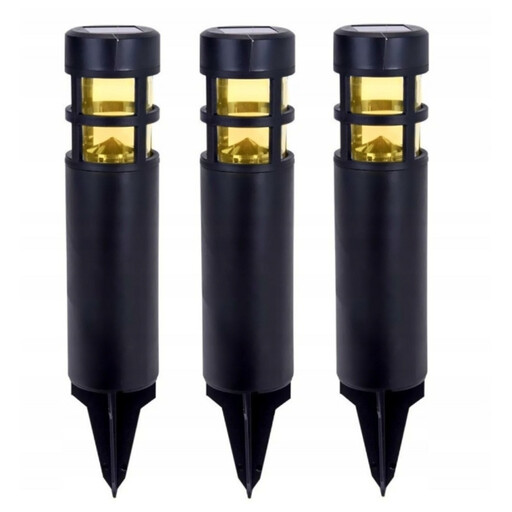
Why this product suits this profile: This set of three offers an easy way to light several points along paths, flower beds or property boundaries in a coordinated style.
The product description mentions automatic dusk activation and easy installation. Even so, choose a sunny spot before setting the lights up.
Three lights for a coordinated look; wireless installation with no fixed power connection.
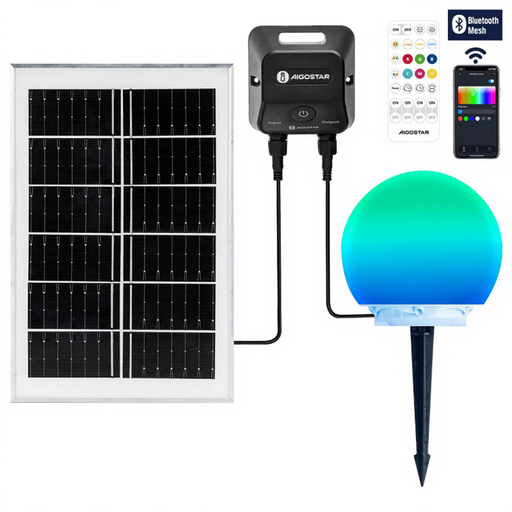
Why this product suits this profile: This recessed light combines RGB and adjustable white light with Bluetooth Mesh, making it a good choice if you want to coordinate several outdoor lights centrally.
Its IP67 rating and separate solar panel address two common weak points: exposure to the elements and poor panel positioning.
According to the product details: RGB+CCT from 2700 K to 6500 K, a 4000-mAh lithium battery, a 5-W solar panel and Bluetooth Mesh control.
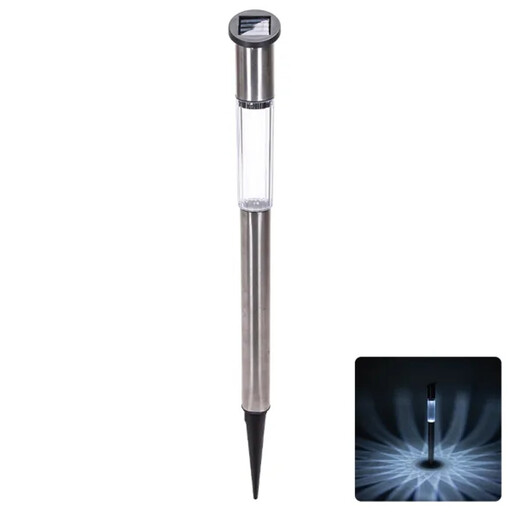
Why this product suits this profile: This solar path light with a ground spike is a good option if you want to mark paths, flower bed edges or lawns without wiring.
The product details specify charging time, running time, temperature range and an IP44 rating. This makes it easier to judge whether the light is suitable for your chosen location.
According to the product details: 6500-K light, 4–6 hours of charging, 8–12 hours of illumination and a rechargeable NiMH battery.
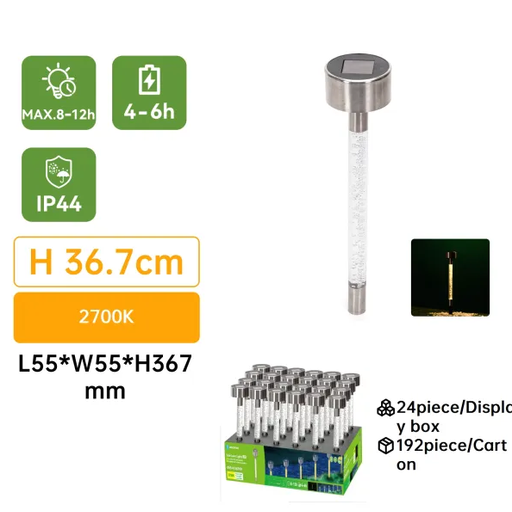
Why this product suits this profile: This compact hanging light is designed for decorative garden lighting. You can position it in a suitable spot in a flower bed, beside a path or on a terrace.
The warm white light avoids an overly cool look that might not suit the setting. The IP44 rating also makes clear that the light must not be submerged.
According to the product details: 2700 K, 8–12 hours of operation under suitable conditions, 4–6 hours of charging and automatic dusk activation.
We’ve put together a complete, regularly updated list of products that meet these strict selection criteria and fully comply with the safety regulations in force in the EU.
It depends on the panel size, sunlight, battery capacity and product design. Many models in our selection specify a charging time of around 4 to 6 hours. Less energy may be available in winter or on cloudy days. Keep the solar panel clear of shade and clean it regularly.
Running time varies by model and charge level. Several of the products mentioned here are rated for 8 to 12 hours under suitable conditions. According to the product details, smart models with higher-capacity batteries may offer longer running times. Brightness, colour mode and weather all affect how long the lights actually stay on.
They don’t need to be connected to the mains while in use. The solar panel collects energy during the day and stores it in the battery. So they don’t have the ongoing costs associated with mains-powered lights, although the battery, cleaning and any replacement parts are still worth considering for long-term use.