
Lieferung heute & morgen

Qualitätsgarantie

Willkommens-Angebote freischalten: KOSTENLOSE Lieferung | Bis zu 80 % RABATT | Kostenlose 30-Tage-JoyPlus-Testphase
App herunterladen
Solar garden lights don’t need a mains connection and can usually be set up without tools. However, solar lights for the garden vary considerably in colour temperature, battery capacity, IP rating and how they’re installed. If you focus only on the design or the stated lighting time, you could end up with a light that doesn’t charge properly where you plan to put it, or becomes impractical after a short time.
Claims such as ‘up to 8–12 hours’ generally refer to ideal charging conditions. Shade from trees or walls, or a poorly positioned solar panel, reduces the amount of energy available. Shorter days and overcast skies are additional factors in autumn and winter.
IP44 means protection against solid objects above a certain size and splashing water from different directions. It doesn’t mean the light can be left submerged or standing in a puddle. So, when installing solar lights outdoors, choose a spot with good drainage. Always check which model a product rating such as IP54 or IP44 applies to.
RGB and warm white solar lights are often well suited to creating atmosphere around flower beds or the edges of patios. For a driveway, steps or a frequently used path, light distribution, mounting height and good visibility matter more than changing colours. The number of LEDs or a high wattage rating alone also won’t tell you how brightly an area will actually be lit.
Warm white at around 2700 Kelvin creates a subtle effect and works well around seating areas, flower beds and for decorative garden lighting. Cool white at around 6500 Kelvin looks much brighter and creates more contrast, so it can be a good choice for paths or driveways. RGB lights offer a choice of colours, but are mainly designed for decorative use.
When choosing LED solar lights, also check whether they have a fixed colour setting, automatic colour changing or app control. Smart solar garden lights may have additional requirements, such as Bluetooth range, app compatibility or a separate hub.
Key details to check include battery type, capacity, charging time and runtime. Ni-MH batteries are common in many compact solar lights. A higher capacity can mean more stored energy, but only if the panel receives enough sunlight where it’s installed.
For example, several Aigostar models specify a charging time of around 4–6 hours and 8–12 hours of lighting in suitable conditions. These are manufacturer claims, not a guarantee for every type of weather. Keep the solar panel clear of leaves and dirt, and out of permanent shade.
Solar path lights and solar stake lights can be pushed into soft ground, a lawn or a flower bed. Don’t force the stake into compacted soil, as this could damage the casing or the stake. For balconies, patios or hard surfaces, solar ground lights or freestanding models with a suitable base are more practical.
Check the height and diameter: a light that’s 36,7 cm tall will make a noticeable feature, while compact models are more discreet. The IP rating should suit the location. Even weather-resistant solar lights shouldn’t be submerged or left standing in water. Follow the manufacturer’s guidance on operating temperatures, too.
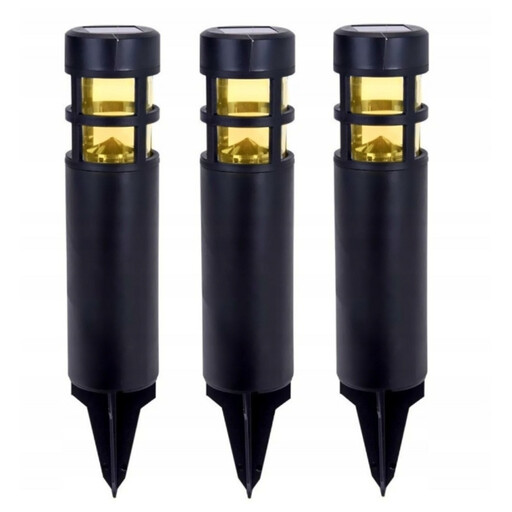
Why this product suits this profile: This set of three is designed for small paths, flower beds or property boundaries, and can be positioned around the garden without a mains connection.
The pack size is clearly stated, so beginners don’t need to choose each light individually. Just make sure to plan for a spot that gets direct sunlight.
Three lights per set; switch on automatically at dusk; suitable for garden areas without wiring.
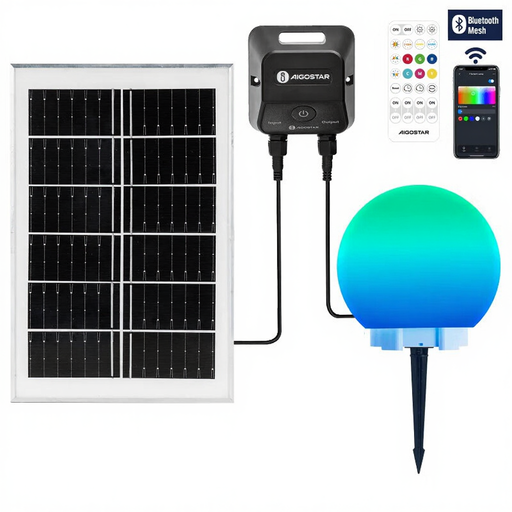
Why this product suits this profile: App control, Bluetooth Mesh and RGB+CCT offer more ways to adjust the lighting than a simple dusk sensor.
The lighting controls are clearly described. Check that the IP54/IP44 ratings are suitable for the intended location before installation; the light isn’t designed to be submerged.
RGB+CCT from 2700–6500 K; group control via the app; solar and lithium battery power without fixed wiring.
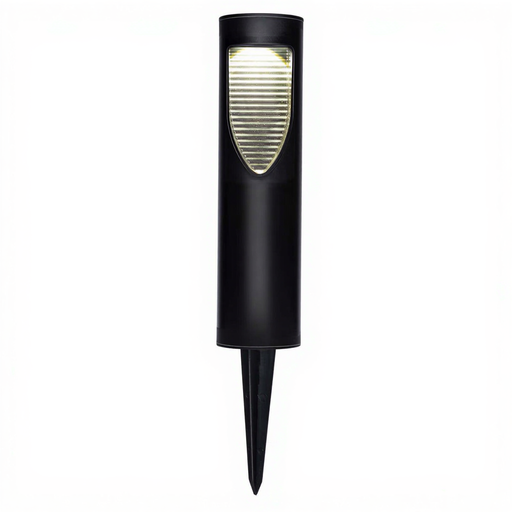
Why this product suits this profile: The warm white SMD LED and built-in 600-mAh Ni-MH battery make this a good choice for paths, patio edges and garden areas you use regularly.
The battery type and capacity are specified. The light should still be protected from prolonged submersion, as it isn’t described as a submersible light.
Warm white SMD LED; 600-mAh Ni-MH battery; switches on automatically at dusk and off in daylight.
We’ve put together a complete, regularly updated list of products that meet these strict selection criteria and fully comply with the safety regulations in force in the EU.
Make sure the solar panel gets direct daylight for as many hours as possible. Avoid spots in permanent shade from buildings, hedges or trees. Solar stake lights should be placed in firm, soft ground, with the light upright. Before using them for the first time, it’s a good idea to charge them fully, following the manufacturer’s instructions.
Lifespan depends on the LED, casing, battery, weather and how well the light is maintained. Manufacturer claims about LED lifespan, such as 15,000 hours, don’t automatically apply to the whole light or its battery. Clean the panel regularly with a soft cloth, and only replace the battery if the model is designed to allow this.
Solar-powered outdoor lights run on energy stored in the battery during the day. This means there are no ongoing electricity costs from plugging them into a socket. However, the purchase price includes the battery and electronics. Depending on the design, you may need to replace the battery or the entire light when battery performance declines.