
Lieferung heute & morgen

Qualitätsgarantie

Willkommens-Angebote freischalten: KOSTENLOSE Lieferung | Bis zu 80 % RABATT | Kostenlose 30-Tage-JoyPlus-Testphase
App herunterladen
Solar garden lights are quick to set up, require no fixed mains connection, and can subtly highlight paths, flowerbeds or seating areas. However, not every solar garden light suits every location. Vague specifications about lighting duration, ingress protection or colour temperature often lead to disappointing purchases.
This buyer’s guide from the Joybuy Product Recommendation Officer shows you which technical details really matter and which products suit different needs.
Claims like “up to 8–12 hours” refer to ideal charging conditions. Shade from house walls, trees or poor positioning reduces the available energy. In autumn and winter, days are shorter, yet you’ll want the solar light to run for longer.
So, check the following:
An IP44 rating means protection against solid objects larger than 1 millimetre and against splashing water from any direction. This makes the light suitable for many sheltered outdoor areas, but it shouldn’t be left standing in water or cleaned with a pressure washer.
For more exposed spots, waterproof outdoor lights with a higher IP rating are a better choice. A solar light with IP44, for example, shouldn’t be placed in a permanently damp hollow or an area where rainwater collects.
For paths and entrances, cool white light can offer better contrast, whereas warm white solar lights at around 2700 to 3000 Kelvin create a more subtle atmosphere. RGB solar lights are mainly suited to decorative accents, not necessarily for even pathway lighting.
Also pay attention to the luminous flux in lumens. A small decorative light with a few lumens can’t be compared to a wall or post light with several hundred lumens.
The IP rating should match the location. A covered balcony has different requirements to a freestanding light by the driveway. Solar lights with a ground spike can be inserted into soft soil or lawn without any electrical installation. In compacted ground, don’t force the spike in, as this could damage the housing or connections.
For patio walls and house entrances, wall-mounted models are suitable. With mains-powered LED garden lights, electrical connections must be professionally installed. A qualified person should carry out the installation.
Colour temperature is given in Kelvin:
For brightness, the lumen value is key. A decorative solar path light is mainly for orientation and styling. An outdoor wall light with 950 or 1000 lumens, on the other hand, can illuminate a larger area.
A charging time of four to six hours can be sufficient in direct sunlight, but on its own it doesn’t tell you much about the actual run time. With models that have a motion sensor, the light only activates when movement is detected. This can reduce energy consumption compared to continuous operation.
Operation is also important: automatic switch-on at dusk, app control, dimmability or a manual switch offer different usage options. A solar ground light without a sensor is intended for even decorative lighting, whereas a motion sensor at the entrance can be more practical.

Why this product fits the profile: The light simply pushes into soft soil and requires no mains connection. It’s ideal for flowerbeds, lawns and short garden paths.
The product details clearly state the charging time, lighting duration and IP44 rating. This makes it easier to realistically assess where to place it.
Polycrystalline solar panel, NiMH battery, 6500 Kelvin and a stated 8–12 hours of lighting duration under suitable charging conditions.
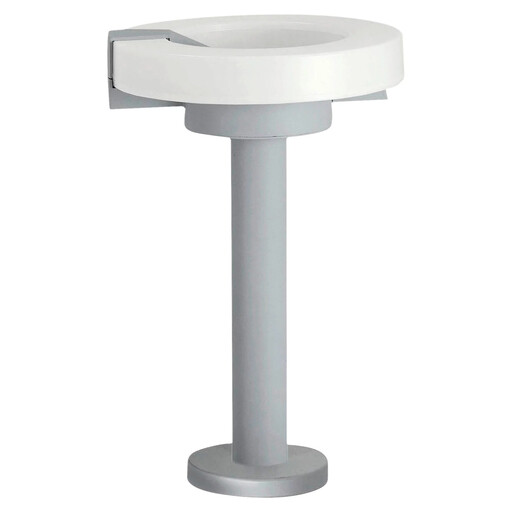
Why this product fits the profile: The classic post design is ideal for driveways, paths and larger lawns when a more robust outdoor light with a higher IP rating is needed.
The stated IP65 rating is designed for dust protection and water jets. The location should still allow for safe, stable installation.
IP65, 3000 Kelvin warm white light and a stated luminous flux of 470 lumens. The E27 fitting allows you to choose a suitable bulb.
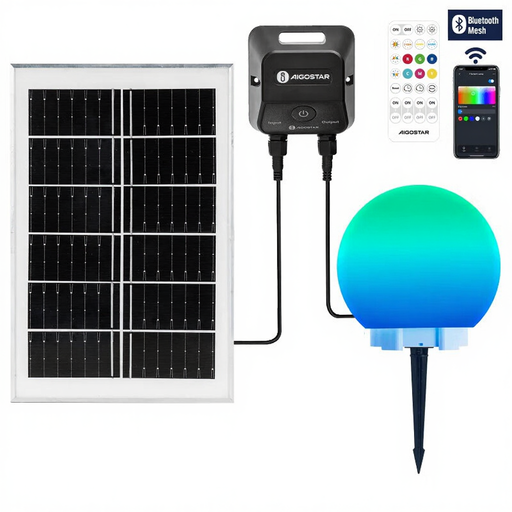
Why this product fits the profile: For users who want to coordinate multiple lights and switch between warm white, cool white and colour settings.
The app control makes the available light modes and schedules easy to understand. However, IP54/IP44 still means protection against splashing water, not submersion.
RGB+CCT with 2700–6500 Kelvin, Bluetooth Mesh connection and control via the AigoSmart app.
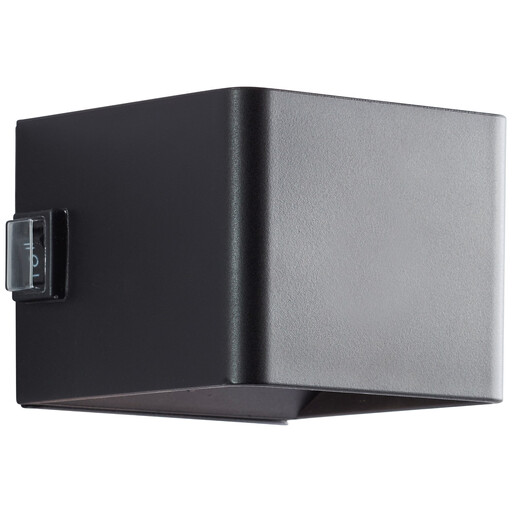
Why this product fits the profile: The portable LED wall light can be used without a fixed mains cable and is flexible thanks to its magnet, USB charging cable and motion sensor.
The product details state 300 lumens, 3000 Kelvin and IP44. This means the light shouldn’t be equated with a permanently waterproof outdoor installation.
300 lumens, warm white light at 3000 Kelvin, integrated motion sensor, battery and USB charging function.
We’ve put together a complete, regularly updated list of products that fully meet these strict selection criteria and the safety regulations in force in the EU.
The solar panel should be as unobstructed as possible and facing upwards. Avoid shade from trees, walls and roof overhangs. For solar lights with a ground spike, a firm, not permanently wet surface is important. Before first use, charge the battery according to the manufacturer’s instructions.
The lifespan depends on the LED module, battery, weather and maintenance. Some product data, for example, states an LED lifespan of up to 15,000 hours. However, the battery may lose capacity sooner. Clean the solar panel regularly with a soft, slightly damp cloth and avoid using abrasive cleaning products.
During normal operation, solar lights draw their energy from daylight and store it in the battery. Mains electricity isn’t needed for classic solar garden lights. With smart or USB-chargeable models, additional charging may be required. The actual running costs therefore mainly depend on the battery, charging method and usage.