
Lieferung heute & morgen

Qualitätsgarantie

Willkommens-Angebote freischalten: KOSTENLOSE Lieferung | Bis zu 80 % RABATT | Kostenlose 30-Tage-JoyPlus-Testphase
App herunterladen
Solar-powered garden torches can transform paths, patios, and flowerbeds into an atmospheric oasis. The gentle, flickering light creates an inviting ambience without the need to lay cables or incur extra electricity costs. However, the market is flooded with products of widely varying quality. Before you make a decision, it's crucial to understand the common pitfalls that often only become apparent after your purchase.
As your Joybuy Product Recommendation Officer, I'm here to help you separate the wheat from the chaff. This guide focuses on the three most common problems with solar torches and shows you which technical features to look for to find durable, functional, and power-grid-free garden lighting.
Many offers sound tempting, but they often hide design flaws that can quickly diminish your enjoyment of the product. Pay special attention to these three points:
To avoid these pitfalls, let verifiable technical data—not marketing promises—guide your decision. Three features are crucial when selecting solar-powered garden torches and similar solar lights for your garden.
The IP (Ingress Protection) rating indicates how well an electrical device is protected against the entry of foreign objects and water. For outdoor LED torches, this is a critical quality benchmark.
The combination of the battery and solar panel determines how long your torches will shine after sunset.
The ambience depends heavily on the quality of the light. A convincing flame effect is not created by simple blinking, but by sophisticated LED control and the right light colour.
Based on these objective criteria, we have selected some outdoor lighting products suitable for different needs and locations.
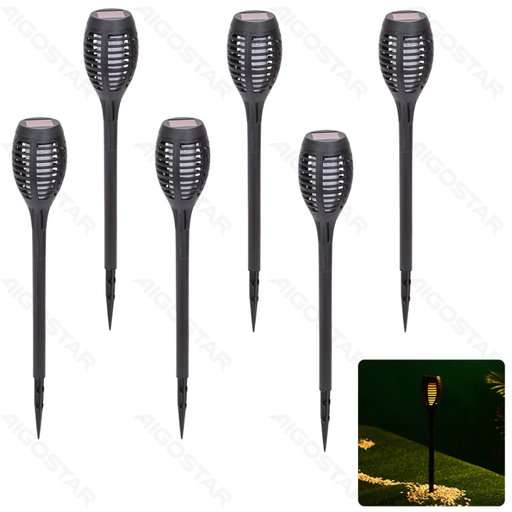
Why This Fits Their Persona: Ideal for homeowners who want to illuminate garden paths, flowerbeds, or patio edges in a uniform and atmospheric way. The 6-pack of solar lights allows for a consistent design without much effort.
With its specified IP44 rating, it is protected against rain. The stated runtime of 8–12 hours after a 4–6 hour charge addresses the problem of short operation. The flame effect is created by warm white light (2700K).
Completely wireless installation thanks to ground stakes. The integrated dusk-to-dawn sensor ensures automatic operation. The LED lifespan is rated for up to 15,000 hours.
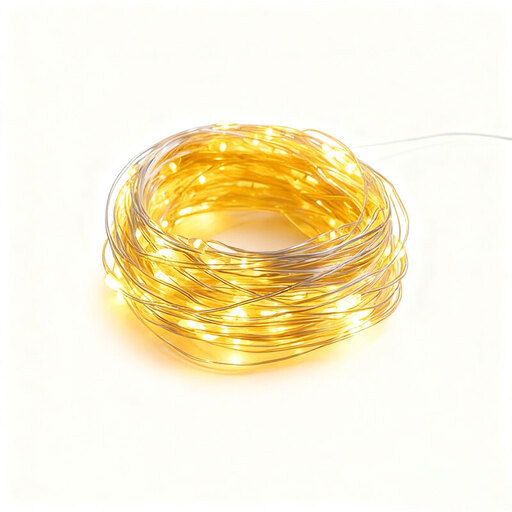
Why This Fits Their Persona: For users seeking a more flexible form of garden lighting without electricity. Ideal for wrapping around tree trunks, railings, or decorating pergolas where ground stakes are impractical.
These string lights are also solar-powered and specified with an IP44 rating for outdoor use. This avoids the pitfall of poor weather resistance and requires no external power supply, simplifying installation.
The total length of 8 metres with 50 LEDs offers plenty of scope for creative decorations. Three lighting modes (steady on, off, and flashing) allow for atmospheric adjustments.
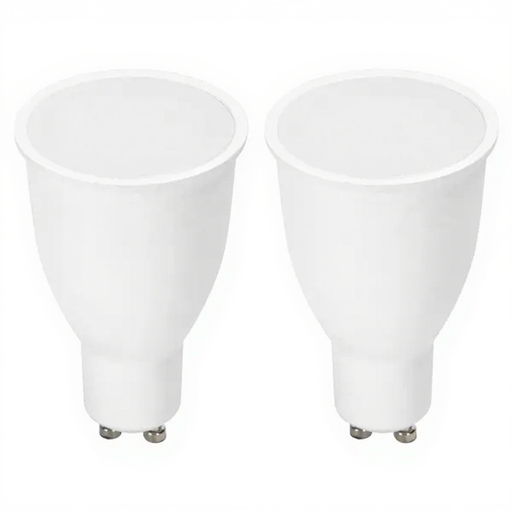
Why This Fits Their Persona: Suitable for anyone who needs reliable, high-performance lighting for an entrance area, patio, or building fa?ade, where consistent light output is more important than solar power.
As a mains-powered light, it completely bypasses the typical solar issues of inconsistent charging and limited runtime. The die-cast aluminium housing and IP44/IP54 rating ensure high weather resistance.
The up-and-down lighting effect adds modern architectural accents. The bulbs (GU10) are replaceable, which extends the fixture's lifespan and allows for future upgrades, such as to smart bulbs.
We have compiled a complete, up-to-date list of products that fully meet these strict selection criteria and all relevant safety regulations.
The lifespan is determined by two main components: the LED and the battery. The LEDs themselves often have a rated life of 15,000 hours or more, which translates to many years of use. The limiting factor is typically the rechargeable battery, which loses capacity after about 1 to 3 years, depending on quality and usage. However, on many models, the battery can be replaced.
Yes, they generally work in winter, but with reduced performance. The shorter days and lower angle of the sun result in the battery receiving less charge. This leads to a shorter runtime in the evening. Models with amorphous silicon panels have a slight advantage here, as they can still charge in diffuse light (on an overcast day), albeit less effectively.