
Lieferung heute & morgen

Qualitätsgarantie

Willkommens-Angebote freischalten: KOSTENLOSE Lieferung | Bis zu 80 % RABATT | Kostenlose 30-Tage-JoyPlus-Testphase
App herunterladen
Mobile power is no longer just for campers. Whether in the garden, during a power outage at home, or for mobile workstations – a portable power station offers independence from the grid. But the market is crowded and full of marketing promises that often obscure more than they clarify. Before you buy a power station, you should know the most common pitfalls to avoid a bad investment and find a device that truly meets your needs.
Manufacturers advertise with impressive numbers and features. However, not all specifications are relevant in practice. Pay attention to these three points to avoid falling for empty promises:
To find the right mobile power storage unit, focus on the following objectively measurable criteria. These determine the performance and longevity of your investment.
Based on these objective criteria, we have identified models for typical use cases.
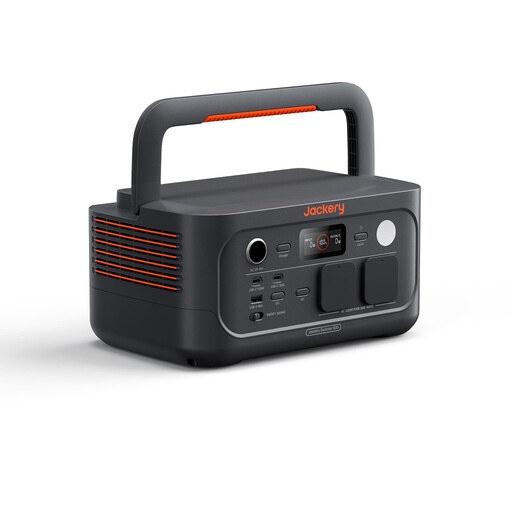
Why it's a good fit: Ideal for weekend trips, festivals, or use in the garden. The 512 Wh capacity is sufficient to power smartphones, lights, and a small electric cooler for an extended period without compromising portability due to excessive weight.
Uses a long-lasting LiFePO4 battery (up to 6000 cycles according to the manufacturer) and transparently states its performance values (512 Wh capacity, 500 W continuous power). This allows for a realistic assessment of its potential uses.
A good balance of capacity, relatively low weight (approx. 5.7 kg), and versatile ports. The charging time from the mains is comparatively short at about 1.3 hours for a full charge.
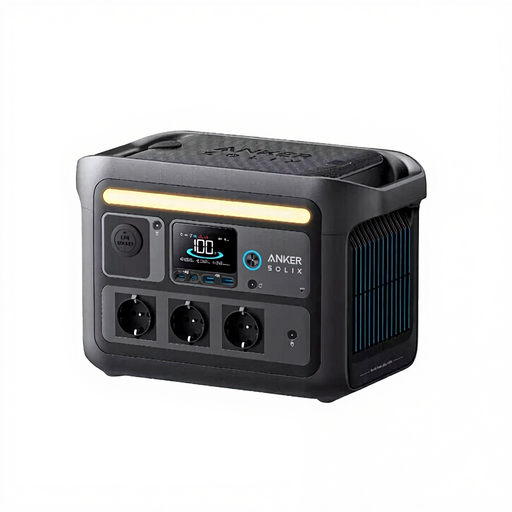
Why it's a good fit: For RV owners or longer off-grid trips where, in addition to laptops and cameras, more powerful devices like a compressor cooler or small tools need to be operated. The high continuous power provides the necessary reserves for this.
Offers a high continuous power of 1200 W (briefly up to 1600 W) and a solid capacity of 768 Wh. The LiFePO4 battery ensures a long lifespan (over 3000 cycles according to the manufacturer). The extremely fast charging time of under an hour prevents long downtimes.
The combination of high power, fast charging capability (AC and solar up to 300 W), and an integrated, retractable camping light makes it a versatile companion for demanding applications.
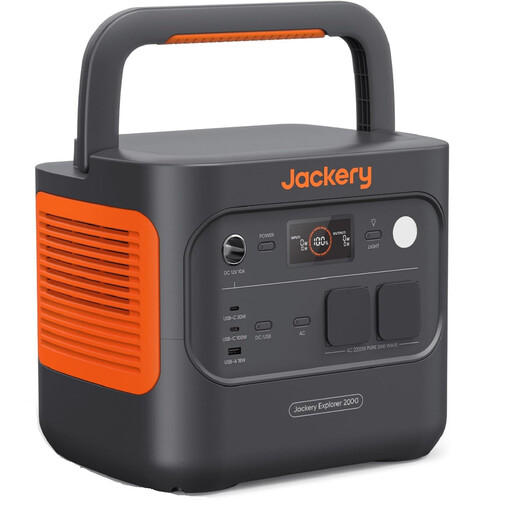
Why it's a good fit: Designed as a reliable emergency power supply to keep essential household appliances running during a power outage. With 2042 Wh of capacity, it can power a refrigerator, router, and lights for many hours.
Offers a very high capacity (2042 Wh) and strong continuous power (2200 W). The fast UPS feature with a switchover time of under 20 ms (according to the manufacturer) protects sensitive electronics like computers or servers from data loss.
Despite its high capacity, the device is comparatively compact at approx. 17.5 kg. The high AC charging power allows for a full recharge in under 2 hours, so it's quickly ready for the next emergency.
We have compiled a complete, up-to-date list of products that fully meet these strict selection criteria and German safety regulations.
How long does a power station with a LiFePO4 battery last? LiFePO4 batteries are known for their longevity. Many manufacturers specify 3,000 to 4,000 full charge and discharge cycles before the capacity drops to about 80% of its original value. With regular use, this can correspond to a lifespan of up to 10 years.
Can I use a power station while it's charging? Yes, most modern power stations from brands like Jackery, Anker Solix, or EcoFlow River support "pass-through charging." This means you can power connected devices while the power station itself is being charged—for example, via a solar panel or from a wall outlet.
What does "pure sine wave" mean for a power station? A pure sine wave delivers alternating current (AC) of the same quality as from a home outlet. This is important for the safe operation of sensitive electronic devices such as laptops, cameras, drones, or medical equipment. Cheaper models with a "modified sine wave" can damage such devices over time or cause them to malfunction. Therefore, always look for this quality feature.