
Lieferung heute & morgen

Qualitätsgarantie

Willkommens-Angebote freischalten: KOSTENLOSE Lieferung | Bis zu 80 % RABATT | Kostenlose 30-Tage-JoyPlus-Testphase
App herunterladen
By Joybuy Product Recommendation Officer, 30 August 2026
Solar garden lights promise a simple and cost-effective way to illuminate paths, accentuate patios, or enhance security—all without cables or an electricity bill. However, the market is flooded with products whose real-world performance often falls short of their advertising claims. Before you invest, it's crucial to understand the typical weaknesses that can quickly turn a supposed bargain into e-waste.
This guide reveals the three most common pitfalls when buying solar garden lights and explains which technical features truly matter for finding a durable and functional lighting solution.
Many buyers experience disappointment shortly after their purchase. The causes are often the same and can be avoided by taking a closer look at the product details.
To sidestep these pitfalls, focus on three verifiable technical parameters. These determine function, longevity, and satisfaction.
The IP (Ingress Protection) rating indicates how well an electrical device is protected against the intrusion of foreign objects and water. For solar garden lights, the following values are relevant:
The combination of the battery and solar panel is the heart of every LED solar light.
Don't be misled by wattage ratings. The relevant values for light quality are Kelvin and Lumen.
Here are some product recommendations tailored to specific use cases that meet the quality criteria mentioned above.
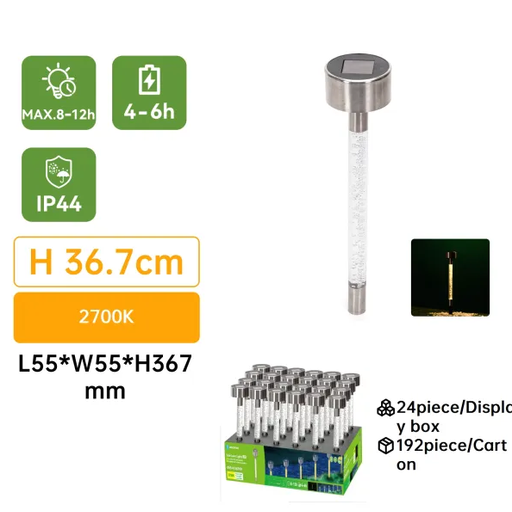
Why This Fits Their Persona: Ideal for anyone looking to add decorative accents to flowerbeds, balconies, or along a small path with minimal effort. The ground stake installation is straightforward and requires no tools.
The light colour is clearly defined as warm white at 2700K, which eliminates the risk of an uninviting blue light. The IP44 rating provides sufficient protection for typical use in a garden bed.
Decorative bubble design for an atmospheric ambiance. Automatic on/off function via a dusk-to-dawn sensor.
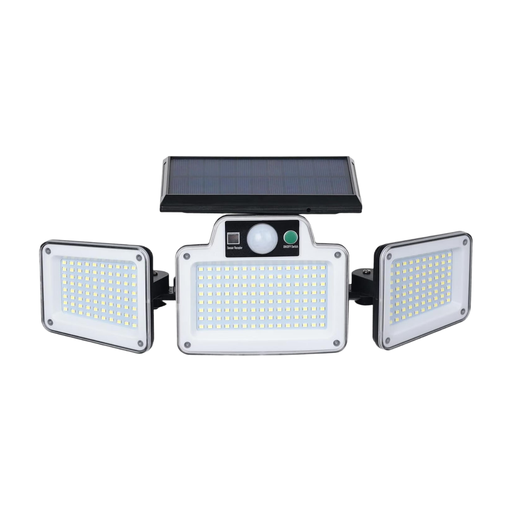
Why This Fits Their Persona: Perfect for homeowners who want to reliably and brightly illuminate driveways, garages, or dark corners of their property. The focus here is clearly on functionality and security.
The high IP65 rating ensures the light can withstand heavy rain. The large 2400mAh battery and separate solar panel, which can be optimally positioned towards the sun, counteract the short runtime trap.
Three adjustable light heads for wide-angle illumination. Three operating modes (incl. motion sensor) selectable via remote control.
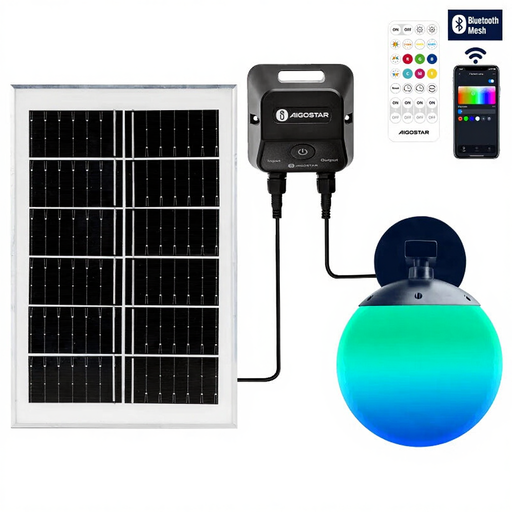
Why This Fits Their Persona: For users who want full control over their lighting and appreciate modern technology. This light allows for the creation of custom light scenes and integration into a smart garden lighting system.
Thanks to RGBCCT technology, the light colour can be freely adjusted from warm white (2700K) to cool white (6500K), as well as millions of colours—completely avoiding the "wrong ambiance" trap. The IP65 certification and a powerful 4Ah battery ensure reliability.
Control via app using Bluetooth Mesh (connect over 200 devices). Modern up-and-down lighting effect.
We have compiled a complete, up-to-date list of products that fully meet these strict selection criteria and UK safety regulations.
The lifespan of a solar light depends on two main components. The LEDs themselves have a very long life, often between 15,000 and 30,000 operating hours. The limiting factor is usually the battery. NiMH or lithium-ion batteries in solar lights typically have a lifespan of 1 to 3 years, depending on quality and charging cycles. On many models, the battery can be easily replaced, which significantly extends the life of the light.
Yes, solar lights also charge in diffuse light, such as on cloudy days or in winter. However, the charging current is significantly lower than in direct sunlight. This results in a shorter runtime at night. Models with high-efficiency monocrystalline solar panels and large batteries are better suited for year-round use in the UK than simple models with amorphous panels.