
Lieferung heute & morgen

Qualitätsgarantie

Willkommens-Angebote freischalten: KOSTENLOSE Lieferung | Bis zu 80 % RABATT | Kostenlose 30-Tage-JoyPlus-Testphase
App herunterladen
Solar garden lights promise effortless, atmospheric lighting with no wires or extra electricity costs. But the reality is often different: lights that only glow dimly after a few weeks, get knocked out by a rain shower, or provide barely enough light to see by. Before you make a decision, it's crucial to understand the common pitfalls often hidden behind tempting product descriptions.
As your Joybuy Product Recommendation Officer, I'm here to help you cut through the noise. We'll focus on the facts and technical specifications that truly matter, ensuring your next solar garden lights are durable, effective, and perfectly suited for your needs.
Many disappointments can be avoided by understanding three common problems:
To make an informed decision, you should focus on three core technical parameters. These reveal the true performance and durability of a solar lamp.
The IP (Ingress Protection) rating indicates how well an electrical device is protected against the entry of foreign objects (first digit) and water (second digit).
The battery stores the energy collected during the day. Its quality determines the runtime and the lifespan of the entire lamp.
These two values determine the character and function of your lighting.
Instead of general recommendations, we have selected products for specific use cases.

Why It Fits the Profile: Ideal for users looking for flexible, atmospheric lighting for their balcony, patio, or for decorating shrubs. The pliable copper wire allows for creative arrangements, and the warm white light creates an inviting ambience.
The string light is rated at IP65, making it reliably protected against rain and bypassing the "weatherproof" trap. The stated runtime of 8–14 hours is realistic, as it depends on weather conditions.
Offers 8 different lighting modes with a memory function. The set includes two separate string lights for flexible use in different locations.
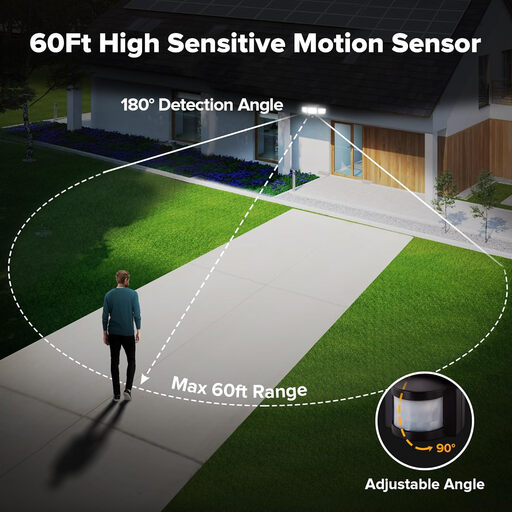
Why It Fits the Profile: Designed for homeowners who want to reliably and brightly illuminate driveways, garages, or dark corners of the garden. The focus here is clearly on security and functionality.
The brightness is clearly stated as 3000 lumens, leaving no doubt about its power. The IP65 certification ensures it works in all weather. The motion sensor mode conserves the battery, ensuring reliable function when it's needed.
Three individually adjustable light heads allow for wide and targeted illumination (270°). The motion sensor has a long detection range of up to 18 metres.
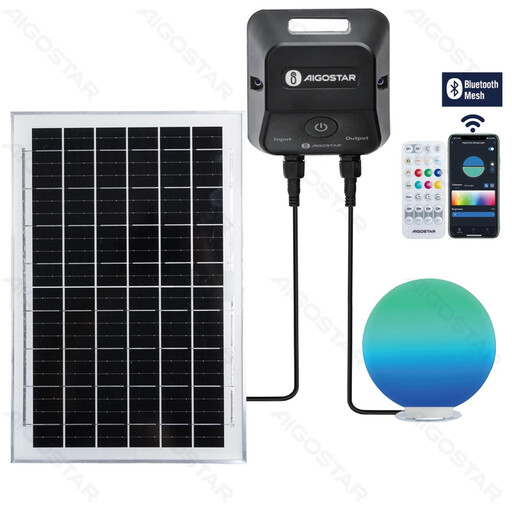
Why It Fits the Profile: For tech-savvy users who want to control their garden lighting individually and integrate it into a smart home system. Perfect for creating various lighting scenes via an app.
This model uses a high-quality Lithium Iron Phosphate (LiFePO4) battery with 8000 mAh and a monocrystalline solar panel, avoiding the pitfall of short lifespan and runtime. The IP65 rating guarantees durability.
Control via Bluetooth Mesh technology, which allows for networking over 200 devices. Offers full control over brightness, colour temperature (warm white to cool white), and colour-changing (RGBCCT).
We have compiled a complete, up-to-date list of products that fully meet these strict selection criteria and all relevant safety standards.
The lifespan of a solar light depends heavily on the quality of its components. Models with robust housings (e.g., made of ABS plastic or stainless steel) and high-quality lithium-ion batteries can last for several years. The battery is typically the component with the shortest lifespan, but on some models, it can be replaced. The LED itself has a very long lifespan, often exceeding 15,000 hours.
Yes, solar lights do charge in diffuse light, but much more slowly and less efficiently than in direct sunlight. On short, cloudy winter days, the runtime will therefore be noticeably shorter. Models with large, efficient solar panels (e.g., monocrystalline) and high-capacity batteries are better suited for year-round use.
Solar lights are very low-maintenance. However, to ensure optimal charging performance, the solar panel should be regularly cleared of dust, leaves, pollen, or snow. A soft, damp cloth is usually sufficient for this. Otherwise, no further maintenance is required.