
Lieferung heute & morgen

Qualitätsgarantie

Willkommens-Angebote freischalten: KOSTENLOSE Lieferung | Bis zu 80 % RABATT | Kostenlose 30-Tage-JoyPlus-Testphase
App herunterladen
Outdoor solar lights promise a simple and cost-effective way to illuminate gardens, balconies, and driveways. With no power cables and no extra costs on your electricity bill, they offer flexibility and eco-friendliness. But the reality is often different: many buyers are disappointed by lights that fail after a single downpour, produce little more than a faint glow, or stop working altogether after just a few months.
As a Joybuy Product Recommendation Officer, I analyse product data to help you avoid such purchasing pitfalls. This guide focuses on the crucial technical features often buried in the marketing fine print, and shows you what to look for to find a durable and functional lighting solution.
Before we turn to the solutions, it's important to understand the typical problems that lead to disappointment.
To make an informed decision, you should focus on three objective criteria. These will help you realistically assess the performance and longevity of a solar light.
The term "waterproof" is imprecise. Instead, look for the IP rating, which consists of two digits. For outdoor use, the following are particularly relevant:
A good LED outdoor solar light needs a balanced system.
Think carefully about what you need the light for.
Here are some product recommendations tailored to specific use cases that meet the criteria mentioned above.
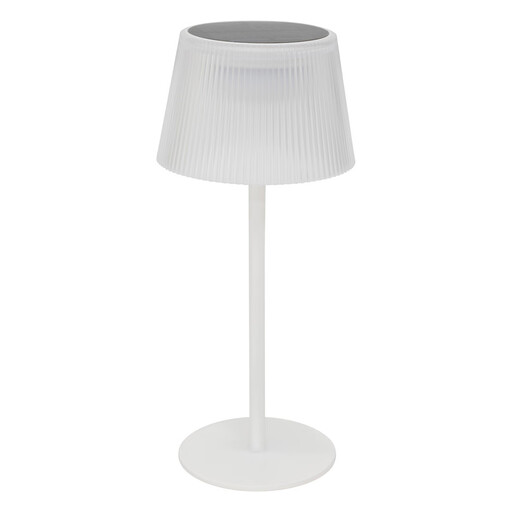
Why This Fits Their Persona: Ideal for users seeking decorative, atmospheric lighting for cosy evenings on the balcony or patio. The acacia wood base design blends harmoniously into natural surroundings.
The light has a clear IP44 certification, qualifying it for sheltered outdoor use. The stated runtime of 6 hours at 90 lumens is a realistic figure for a decorative table lamp.
Produces a pleasant, warm white light. The combination of solar power and stylish design makes it a practical and aesthetic grid-free solution.
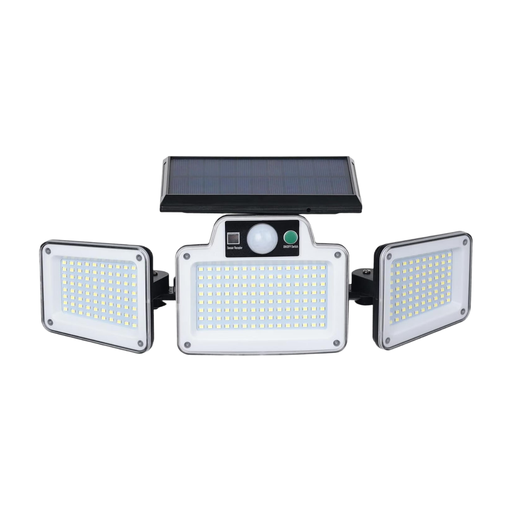
Why This Fits Their Persona: Perfect for homeowners who need to reliably illuminate driveways, garages, or dark corners of the garden. The focus is clearly on functionality and security.
With an IP65 rating, this spotlight is designed for exposed outdoor use in all weather conditions. The 2400mAh battery is sufficiently sized to power the 280 LEDs in on-demand motion-activated mode throughout the night.
Three adjustable light heads allow for wide and targeted illumination. The three remote-selectable modes offer flexibility, from pure motion detection to continuous light.
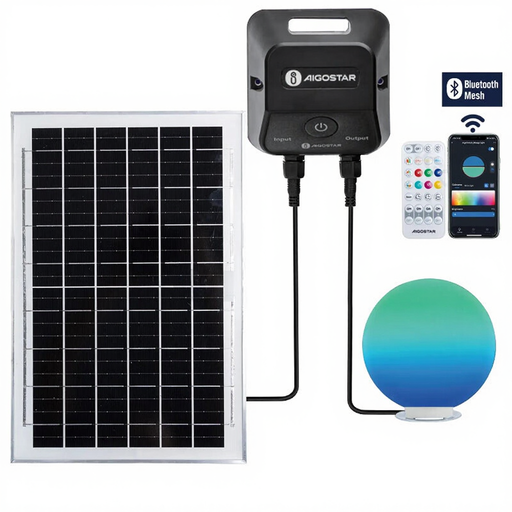
Why This Fits Their Persona: For users who want full control over their lighting. This smart solar light can be controlled via an app and integrated into a Bluetooth mesh network with over 200 devices.
Its high output (350 lumens) is supported by a powerful 12W monocrystalline solar panel and a very large 8000mAh battery. The IP65 rating ensures durability even in harsh weather conditions.
Complete control over light colour (RGB), colour temperature (2700K-6500K), and brightness via the app. Bluetooth mesh technology allows multiple lights to be networked for synchronised lighting effects.
We have compiled a complete, real-time list of products that fully satisfy these strict selection criteria and UK safety regulations.
The lifespan of a solar light depends on the quality of its components. The LEDs themselves often have a lifespan of 15,000 to 30,000 hours. The critical component is typically the battery, whose capacity diminishes after a few years. On higher-quality models, the battery can be replaced, which significantly extends the life of the entire unit.
Yes, but with reduced performance. The shorter days and the lower angle of the sun in winter mean the batteries do not fully charge. The runtime per night is therefore shorter than in summer. Models with high-efficiency monocrystalline solar panels and large batteries are better suited for year-round use, as they generate more energy even in diffuse light.
The IP (Ingress Protection) rating indicates how well an electrical device is protected against the ingress of foreign objects (first digit) and water (second digit). For outdoor use, the second digit is crucial: IPx4 (e.g., IP44) means protection against splashing water and is sufficient for sheltered locations. IPx5 (e.g., IP65) means protection against water jets and is necessary for lights exposed to heavy rain.