
Lieferung heute & morgen

Qualitätsgarantie

Willkommens-Angebote freischalten: KOSTENLOSE Lieferung | Bis zu 80 % RABATT | Kostenlose 30-Tage-JoyPlus-Testphase
App herunterladen
Solar lights for the garden don’t need a fixed mains connection and can usually be set up without tools. Even so, unclear product descriptions, unsuitable installation locations and misunderstood IP ratings can often lead to disappointment. Before you buy, check that the light is right for where you plan to use it, the effect you want to create and the local weather conditions.
A high wattage doesn’t automatically mean bright illumination. For an outdoor solar LED light, luminous flux in lumens, beam angle and colour temperature are more useful indicators. For example, a decorative solar light with 90 lumens gives a subtle glow, while a 350-lumen light can illuminate a larger area.
Even lighting is important for paths and steps. For flower beds, balconies or seating areas, however, creating the right atmosphere is often the priority. A warm white solar light usually gives a softer glow, while an RGB solar light can add splashes of colour.
Claims such as ‘8 to 12 hours’ depend on how long and how directly the solar panel is exposed to sunlight during the day. Shade from trees, house walls or balcony railings reduces charging performance. Short winter days and prolonged cloudy weather also affect the running time.
A large battery alone won’t solve this problem. The key is the combination of panel type, charging time, battery capacity and actual sunlight exposure. So, position a solar light with a ground stake facing south if possible, or somewhere else that gets several hours of direct sunlight.
The level of protection is described by the IP rating. IP44 protects against solid objects from 1 millimetre in size and splashing water from different directions. However, an IP44 solar garden light shouldn’t be left standing in puddles or exposed to a strong jet of water for prolonged periods.
IP65 offers greater protection against dust and water jets. This rating still doesn’t mean the light can be submerged. Also check that the housing, cover and battery compartment are undamaged.
Pay attention to the combination of Kelvin rating, lumens and beam angle. A wide beam spreads light over a larger area, while a narrow beam highlights individual plants, sculptures or architectural features.
The models mentioned here use NiMH and lithium-ion batteries, among others. Always consider the stated charging time alongside the stated running time. Automatic dusk activation is handy for paths and flower beds. A timer or app control can give you extra control over table and decorative lights.
Don’t open or modify the built-in battery. If the light is faulty, stop using it and dispose of it in accordance with local regulations for electrical waste and batteries.
A solar ground light or solar path light with a ground stake is suitable for soft ground such as soil or grass. Don’t push the stake into compacted ground with excessive force, as this could damage the housing or connection.
Freestanding models are more practical for tables and patios. A solar light with USB and solar charging offers greater flexibility during prolonged spells of bad weather. Clean the panel regularly with a soft, slightly damp cloth and don’t use abrasive cleaners.
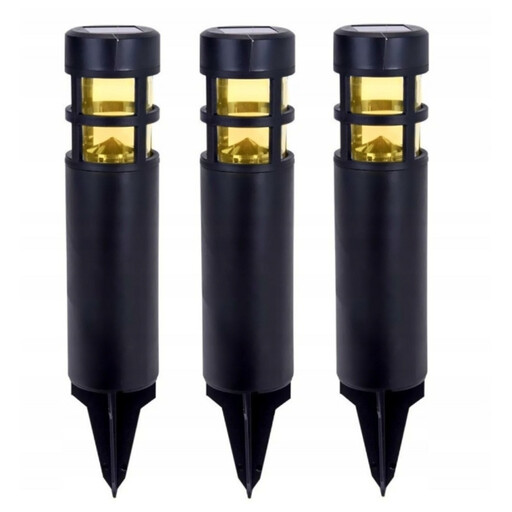
Why this product suits this profile: This set of three gives you an easy way to get started in flower beds, on lawns or along a short garden path, without having to choose each light separately.
The product description clearly states the number of lights and that they switch on automatically at dusk. This makes it easier to work out how many you’ll need before you buy.
Three lights per set, with easy installation by placing them in a sunny spot.
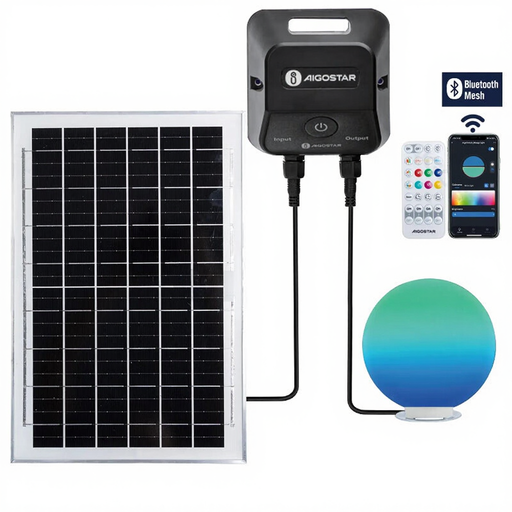
Why this product suits this profile: This model is for anyone looking to tailor the colour temperature, controls and positioning to suit their patio or garden.
The IP65 rating makes the level of protection clearer than a general description such as ‘weatherproof’. The light still shouldn’t be submerged.
According to the product details: RGB and white light, Bluetooth Mesh control, 350 lumens, IP65 and a stated maximum battery life of 24 hours.
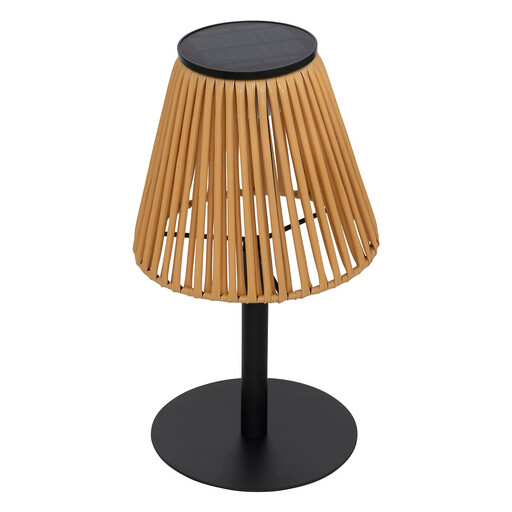
Why this product suits this profile: This table lamp is ideal for a balcony, patio or garden table when you want a freestanding solar light that gives off a warm white glow.
Solar and USB charging mean you’re not reliant on just one way of charging the light. The IP44 rating also makes its limitations clear compared with outdoor lights offering greater protection.
30 cm tall, 90 lumens, warm white light, a timer and a stated battery life of six hours, according to the product details.
We’ve put together a complete, regularly updated list of products that meet these strict selection criteria and fully comply with the safety regulations in force in the EU.
Place the panel in the sunniest spot you can find, away from shade. For models with a ground stake, the soil should be soft and stable. Position the light so that leaves, buildings or decorations don’t block the panel. Once installed, the battery will need enough time to charge.
The actual running time depends on sunlight, battery condition, temperature and the brightness setting. Product claims should therefore be treated as estimates for suitable conditions. Regularly cleaning the solar panel and replacing a rechargeable battery when needed can help extend the light’s usable life.
They don’t need to be connected to the mains during normal solar operation. However, you may have ongoing costs for battery replacements, spare parts or additional USB charging. Also check whether the battery and light are a single unit, and what disposal or replacement guidance the manufacturer provides.