
Lieferung heute & morgen

Qualitätsgarantie

Willkommens-Angebote freischalten: KOSTENLOSE Lieferung | Bis zu 80 % RABATT | Kostenlose 30-Tage-JoyPlus-Testphase
App herunterladen
A solar string light can transform your balcony, patio, or garden into an atmospheric oasis without increasing your electricity bill. However, the market is flooded with products whose promises often don't hold up in practice. As your Joybuy Product Recommendation Officer, I'll help you identify the crucial features and avoid common purchasing traps, ensuring your decorative outdoor lighting works reliably all season long.
Many products look appealing at first glance but reveal their weaknesses after just a few weeks of use. Pay close attention to these three points to avoid disappointment.
To make an informed decision, you should focus on objective technical specifications rather than marketing buzzwords.
The IP (Ingress Protection) rating is an international standard that indicates how well an electrical device is protected against the ingress of foreign objects (first digit) and water (second digit).
The combination of the battery and solar panel determines how long your string lights will stay lit.
The right length and LED density are crucial for achieving your desired look.
Here are some products that are well-suited for different needs based on their specifications.

Why It's a Match: Ideal for users looking for a cost-effective and straightforward solution for a standard balcony. The 2-pack offers excellent value for money, and the 8-metre length per string is perfect for railings or flower boxes.
With an IP65 rating, this string light is not just splash-proof but also protected against water jets, thereby bypassing the trap of inadequate waterproofing found in many competing products.
The set includes two separate 8-metre strings, allowing for flexible decoration in different locations. The 8 light modes with a memory function provide creative variety.
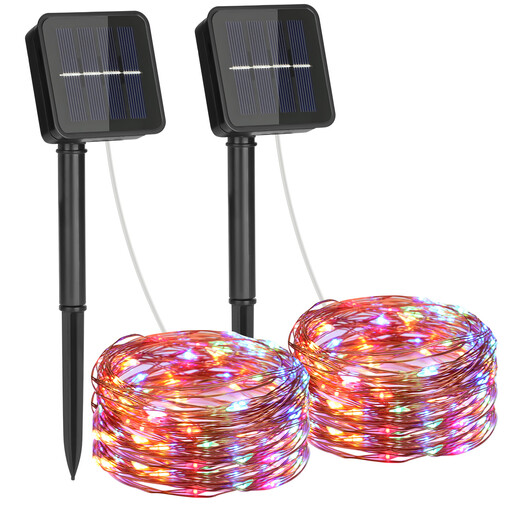
Why It's a Match: For those who want to decorate larger areas like a garden fence, a pergola, or trees, more length is required. This 2-pack, with each string measuring 12 metres and containing 120 LEDs, offers extensive coverage and high light density for impressive decorative outdoor lighting.
The flexible yet robust copper wire better withstands being wrapped around branches or railings compared to rigid plastic cables, thus avoiding the pitfall of brittle materials. The IP65 certification ensures safe use in an unprotected garden.
The combination of generous length (2 x 12 m), a high LED count (2 x 120), and an efficient solar panel with an automatic on/off function makes this set a practical all-in-one solution for larger decoration projects.
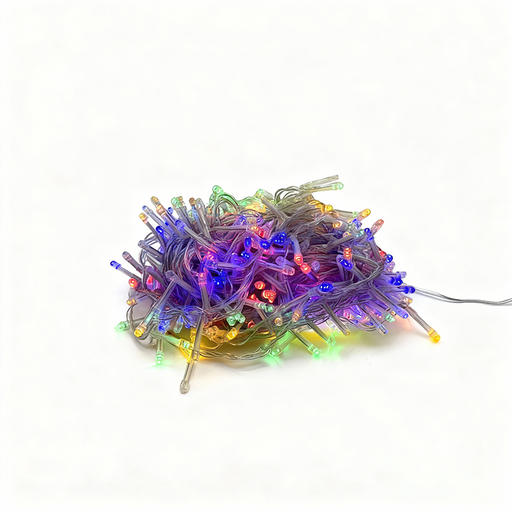
Why It's a Match: For temporary events, camping, or shaded areas where a solar panel cannot work effectively, a battery-operated string light is a sensible alternative. It offers maximum flexibility and is ready for immediate use.
This model bypasses the pitfall of unrealistic runtimes associated with solar products, as its performance depends directly on the quality of the AA batteries used. The user has full control and is not dependent on weather conditions.
Its independence from the sun makes this outdoor waterproof string light (rated IP44 for protected outdoor areas) ready for immediate use, regardless of the time of day or weather. The 8 light modes offer creative freedom.
We have compiled a complete, up-to-date list of products that fully meet these strict selection criteria and safety regulations.
1. How long does a solar string light last in winter? The runtime in winter is significantly reduced. Shorter days, a lower sun angle, and frequent cloud cover mean the battery doesn't fully charge. Expect a runtime of just a few hours, compared to the typical 6-8 hours in summer. To maximise performance, keep the solar panel clear of snow and dirt.
2. Can I leave a solar string light out in the rain? Yes, as long as it has an appropriate protection rating. An outdoor LED solar string light with an IP65 rating is protected against water jets and can be safely left outdoors in the rain. Models with an IP44 rating should be used in more sheltered areas, like a covered balcony, as they are only resistant to splashing water.
3. Does the solar panel always have to be in direct sunlight? Direct sunlight is ideal for optimal and fast charging. However, high-quality monocrystalline panels can also charge the battery in bright, indirect light (e.g., on a slightly overcast day), albeit more slowly. A south-facing position without shade from plants or buildings is recommended.