
Lieferung heute & morgen

Qualitätsgarantie

Willkommens-Angebote freischalten: KOSTENLOSE Lieferung | Bis zu 80 % RABATT | Kostenlose 30-Tage-JoyPlus-Testphase
App herunterladen
Finding the right outdoor lighting can be a challenge. A solar wall light promises a simple, cost-effective, and eco-friendly solution. However, the market is flooded with products whose marketing promises often don't hold up to reality. Many homeowners invest in lights that are already defective after one winter or fail to deliver the desired performance from the start.
This guide serves as your roadmap. We'll show you the most common pitfalls to avoid when buying and which technical features you should look for to make an informed decision. This will ensure your new wireless outdoor lighting is both functional and durable.
Before you make a decision, it's important to understand the typical problems that can lead to disappointment. Many product features are embellished in marketing and only reveal their weaknesses during everyday use.
To avoid the problems mentioned above, you should focus on objective, technical data. These three criteria are decisive for selecting a reliable LED solar light for your exterior wall.
The brightness of a light is measured in lumens (lm). The required value depends on the application:
The IP rating indicates how well a device is protected against the ingress of foreign objects and water. For a durable outdoor solar light, a rating of at least IP65 is recommended.
Modern solar lights offer more than just automatic on/off at dusk.
To help you choose, we have compiled products for different user profiles. This selection is based on the objective criteria mentioned above.
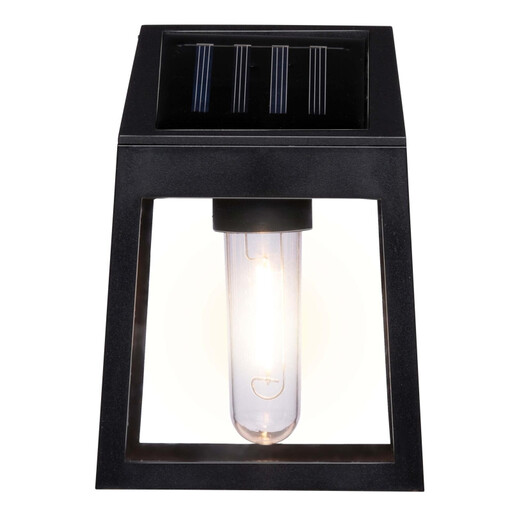
Why it's a good fit: Ideal for users seeking a straightforward and affordable solution for ambient base lighting. Perfect for marking paths, fences, or small entryways without complex installation.
This model focuses on a core function: creating warm white accent light. It avoids exaggerated brightness claims and relies on simple but functional automatic operation.
Very simple, wireless installation and fully automatic operation. The warm white light colour creates a welcoming atmosphere.
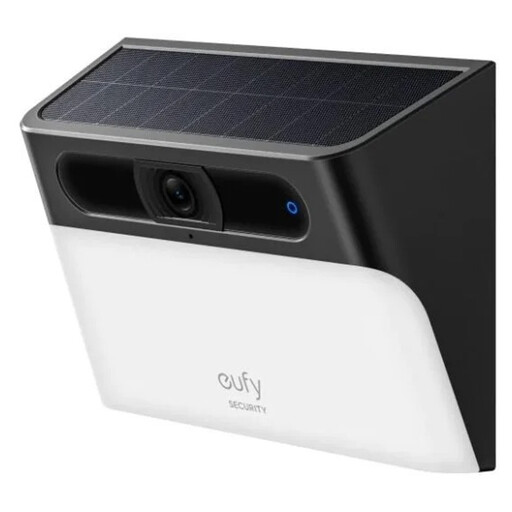
Why it's a good fit: Combines bright, motion-activated lighting with a security camera. Ideal for anyone who wants to not only illuminate but also actively monitor entrances, driveways, or the garden.
Instead of a simple PIR sensor, it uses AI-powered person detection to minimise false alarms. Storage is local, which means there are no hidden monthly fees.
An all-in-one security solution: solar light with camera, floodlight, and AI detection in one device, with no recurring fees.
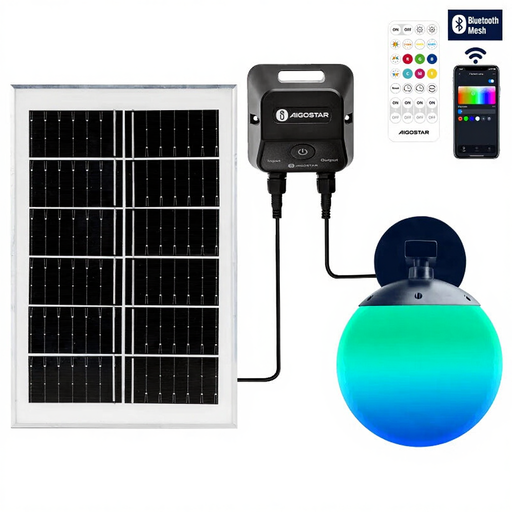
Why it's a good fit: For users who value aesthetics and smart control. The up-down solar light design adds modern architectural accents, while the app control provides full command over colours and scenes.
The focus is clearly on smart features and design. The 200 lm brightness is realistically sized for accent lighting. The IP65 certification ensures durability in all weather.
Complete control over light colour (RGBCCT) and brightness via app. Thanks to Bluetooth Mesh, multiple lights can be easily networked and controlled in sync.
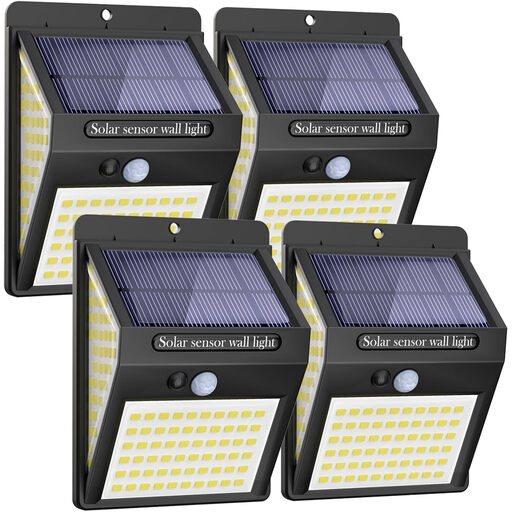
Why it's a good fit: This 4-pack is ideal for illuminating larger areas like the entire garden, long pathways, or property lines. It offers great value for comprehensive security lighting.
The product offers solid weather resistance with an IP65 rating. The three different lighting modes are a practical feature, allowing the user to choose between maximum brightness and longer runtime as needed.
The set of four lights provides cost-effective and wide coverage. The 140 LEDs per light and the 270° beam angle ensure bright and far-reaching illumination.
We have compiled a complete, up-to-date list of products that fully meet these strict selection criteria and safety regulations.
1. Does a solar light need direct sunlight to charge? Direct sunlight is ideal for optimal charging. However, high-quality monocrystalline solar panels can also charge the battery on overcast days, albeit more slowly. This may reduce the illumination time at night. Therefore, place the light in the sunniest possible location on your wall.
2. What is the lifespan of a solar wall light? The lifespan depends on several factors. The LEDs themselves usually last for many years (often over 30,000 hours). The critical component is the battery, which can lose capacity after 2 to 4 years, depending on its quality. A robust construction with a high IP rating (e.g., IP65) is also crucial to protect the electronics from the elements and ensure a long life.
3. Can you replace the battery in a solar light? This depends on the model. In some cheaper models, the battery is permanently installed. However, many higher-quality lights use standard battery types (e.g., 18650 Lithium-ion or AA Ni-MH) that can be replaced with a bit of technical skill. This can significantly extend the product's lifespan. Before purchasing, check the product description or manual for information on battery replaceability.