
Lieferung heute & morgen

Qualitätsgarantie

Willkommens-Angebote freischalten: KOSTENLOSE Lieferung | Bis zu 80 % RABATT | Kostenlose 30-Tage-JoyPlus-Testphase
App herunterladen
Switching to a solid face cleanser is a logical step for many who value sustainable skincare and want to reduce plastic packaging. However, the market has become overwhelming. There are significant differences between traditional face soaps and modern, soap-free formulations that can determine whether your skin feels great or becomes irritated.
Before you make a decision, it's important to understand the most common pitfalls that often lead to a bad purchase.
To make an informed decision, you should check three core technical parameters. These will help you separate marketing promises from actual product properties.
The most important distinguishing feature is whether the product is a true soap or a soap-free cleansing bar. The latter is also known as a "syndet" (synthetic detergent) or cleansing bar.
With a soap-free cleansing bar, the type of surfactant used is crucial for its mildness. Gentle surfactants like Sodium Cocoyl Isethionate or Disodium Laureth Sulfosuccinate cleanse effectively but gently. More aggressive surfactants can put more strain on the skin barrier.
In addition, replenishing and nourishing ingredients are a mark of quality. Ingredients like glycerin, panthenol, shea butter, or high-quality plant oils help to moisturise the skin during cleansing and minimise feelings of tightness.
If you have specific skin concerns, such as blemishes or a dull complexion, look for targeted active ingredients and their position in the INCI list.
Here are some recommendations tailored to different needs and skin types.
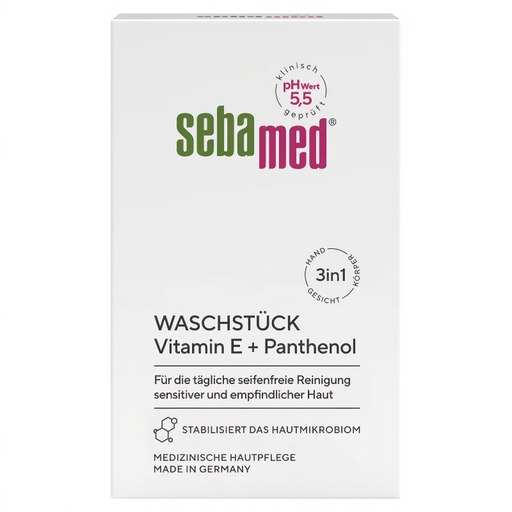
Why This Fits Their Persona: Ideal for users seeking a straightforward, functional, and highly tolerable cleansing solution without fragrances or unnecessary additives. The focus is purely on gentle cleansing and maintaining the skin's barrier.
This product is the epitome of a soap-free cleansing bar. It consistently bypasses the "soap fallacy" by explicitly focusing on its skin-neutral pH of 5.5 as a core feature.
Formulated with a pH of 5.5, which mimics the skin's natural acid mantle. Contains panthenol to support skin smoothness and vitamin E.
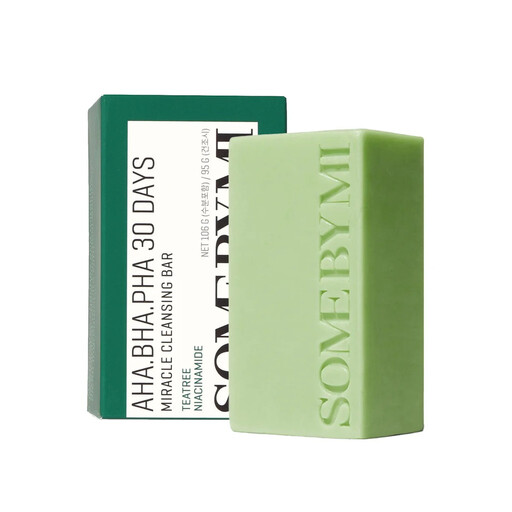
Why This Fits Their Persona: Specifically for individuals who want to actively combat blemishes, clogged pores, and excess sebum. This product offers a targeted treatment rather than a simple cleanse.
This cleansing bar avoids the "one-size-fits-all" trap by being clearly formulated for a specific skin condition. The active ingredients are transparently declared and serve a clear purpose, rather than making vague "natural" promises.
Combines three types of acids (AHA, BHA, PHA) for gentle exfoliation and pore cleansing. Contains tea tree extract and niacinamide to soothe the skin and control sebum.
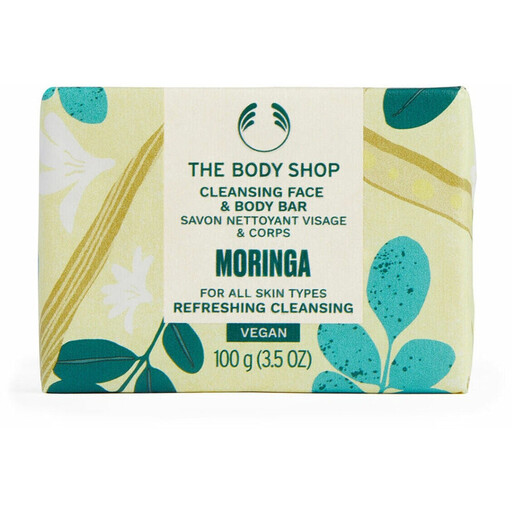
Why This Fits Their Persona: For users who want a nourishing experience with high-quality, ethically sourced ingredients and a pleasant scent. Its versatile use for face and body offers added convenience.
Although it is a palm oil-based soap, it counteracts the risk of dryness by being enriched with glycerin and Community Fair Trade shea butter. The brand is transparent about its ingredients (98% of natural origin).
Contains Community Fair Trade moringa seed oil and shea butter for a soft skin feel. Certified by The Vegan Society and versatile for face and body.
We have compiled a complete, up-to-date list of products that fully meet these strict selection criteria and UK regulations.
1. How do I store a solid face cleanser correctly to make it last? The longevity of a solid cleansing bar depends critically on it drying between uses. Store it on a soap dish with drainage holes or a loofah sponge to allow it to dry completely. Avoid leaving the bar in a damp shower caddy or a closed container, as this will cause it to soften and be used up more quickly.
2. Is a solid face cleanser more hygienic than a liquid product? Both formats can be hygienic when used correctly. With a solid bar, any surface bacteria are washed away when you lather it with water and rinse it off. Because the bar dries between uses, bacterial growth is inhibited. Liquid cleansers in pump dispensers are also very hygienic, as the product inside remains untouched.
3. Can I use any solid cleansing bar to remove makeup? Not necessarily. While many mild cleansing bars can remove light dirt and some makeup residue, they are often not formulated to effectively dissolve long-lasting or waterproof makeup (especially eye makeup). For thorough makeup removal, a two-step routine (Double Cleansing) is recommended: first, use a cleansing oil or balm, and in the second step, use the solid cleansing bar for a deep clean.