
Lieferung heute & morgen

Qualitätsgarantie

Willkommens-Angebote freischalten: KOSTENLOSE Lieferung | Bis zu 80 % RABATT | Kostenlose 30-Tage-JoyPlus-Testphase
App herunterladen
A cup of coffee should be quick to prepare in the office, at home or on the go. Soluble coffee does the job without a filter, coffee machine or grinder. However, products vary considerably. Some contain coffee only, while others combine coffee with sugar and creamer. If you focus solely on the brand name or pack size, you can easily end up with a product that does not suit your taste or caffeine requirements.
With instant coffee made from 100% soluble coffee, the ingredients list usually contains nothing but “soluble coffee”. 2-in-1 and 3-in-1 mixes also contain creamer, sugar and other ingredients. The coffee content may therefore be considerably lower.
Examples from the product information:
If you are looking for a clear coffee flavour without sweetness, it is therefore worth considering a pure product such as Nescafé Gold, Jeden Tag Gold or Trung Nguyen G7 Pure Black.
3-in-1 coffee is not black coffee with milk and sugar that you can add to taste. The mixture is already portioned. Trung Nguyen G7 3-in-1, for example, lists 46.94% sugar and has an energy value of 443 kcal per 100 g. According to the product description, Jacobs 3in1 Classic contains 54% sugar and also provides 443 kcal per 100 g.
This is not automatically a disadvantage. The portion format can be convenient when you want a sweet, creamy cup. If you want to reduce your sugar intake or choose your own milk, pure soluble coffee with separate ingredients gives you greater flexibility.
A large jar or multipack may seem economical at first glance. However, once opened, the flavour and solubility can be affected by moisture. The quantity should therefore match how much you actually consume.
Coffee sticks or small jars are a sensible choice for occasional coffee drinkers. Households and offices with regular consumption can opt for larger packs or a value pack. After each use, the container should be sealed tightly again straight away and stored in a dry place.
The ingredients list shows whether you are buying pure coffee, a 2-in-1 mix or a latte drink. Creamer products often contain milk ingredients, sodium caseinate, lactose or skimmed milk powder. People with allergies or intolerances should check the packaging information for the specific product.
For 100% products such as Trung Nguyen G7 Pure Black or Jeden Tag Gold Freeze-Dried Instant Coffee, the product information does not mention any added milk or sugar ingredients. The labelling on the packaging supplied with the product remains decisive.
The dosage affects both the flavour and the amount of caffeine per cup. Typical instructions include:
For many products, the recommended preparation method is “hot, but not boiling”. When using a travel mug, make sure the powder has fully dissolved before closing the lid. This prevents pressure from building up due to undissolved ingredients and reduces the risk of scalding when shaking the mug.
Most classic varieties contain naturally occurring caffeine. The caffeine content is explicitly mentioned for Nescafé 3in1; cappuccino powder is not automatically caffeine-free either. However, the exact amount per serving is not specified for all the products covered by the available information.
For the evening or when deliberately reducing your caffeine intake, decaffeinated instant coffee may be a suitable choice. The term “decaffeinated” does not necessarily mean that it contains no caffeine at all. For an accurate assessment, check the information on the label.
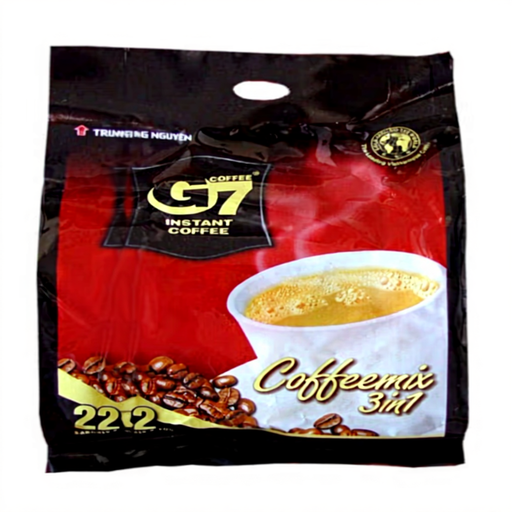
Why this product suits this profile: 22 portions of 16 g are suitable for use at home or in the office. Each portion contains coffee, creamer and sugar, and is prepared with hot water.
The individual portions control the dosage and protect the powder from repeated exposure to air and moisture.
22 individually wrapped portions; according to the product information, 13% soluble coffee and preparation with approximately 75 ml of water.
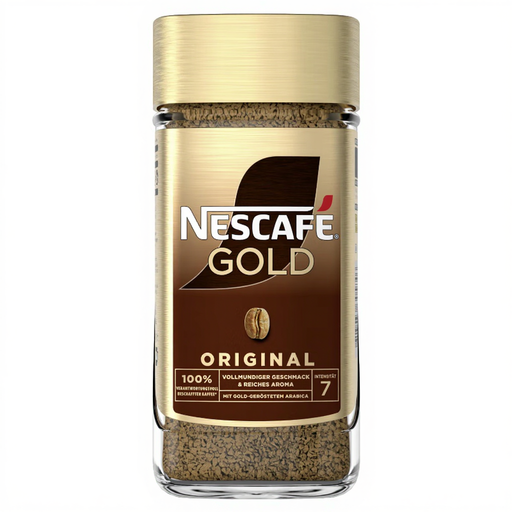
Why this product suits this profile: For coffee drinkers who prefer pure powder and want to add milk or sugar to their own taste.
The ingredients list names soluble coffee only. This means there are no hidden sugar or creamer ingredients.
200g jar; according to the product information, it contains natural caffeine and should be prepared with approximately 1.5 teaspoons per 150 ml of water.
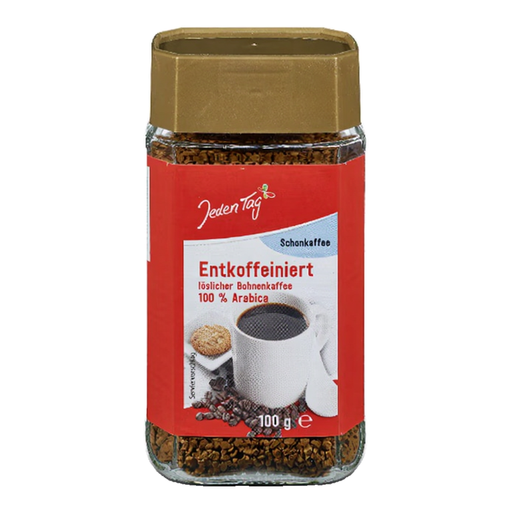
Why this product suits this profile: For people looking for decaffeinated instant coffee or wanting to avoid caffeine in the late afternoon and evening.
The product information identifies the coffee as decaffeinated, avoiding confusion with classic instant coffee.
100g jar; described as freeze-dried, decaffeinated instant coffee with an Arabica designation.
We have put together a complete, regularly updated list of products that fully meet these strict selection criteria and the safety regulations applicable in the EU.
The best-before date generally applies to unopened packaging. Once opened, the jar should be stored in a cool, dry place and kept tightly sealed. Some product information recommends using Nescafé Gold within four to six weeks; for other varieties, follow the instructions on the packaging.
Put the powder in the cup first, then add hot, but not boiling, water. The exact amount depends on the product instructions. With pure coffee, you can adjust the strength to your preference. With coffee sticks and 3-in-1 coffee, the serving size is already fixed.
It depends on the pack size, number of portions and dosage. 3-in-1 sticks provide predictable consumption and do not require any additional ingredients. Pure soluble coffee can be dosed more flexibly when bought in larger jars. When comparing prices, you should therefore consider the price per 100 g or per portion, rather than just the pack price.