
Lieferung heute & morgen

Qualitätsgarantie

Willkommens-Angebote freischalten: KOSTENLOSE Lieferung | Bis zu 80 % RABATT | Kostenlose 30-Tage-JoyPlus-Testphase
App herunterladen
By the Joybuy Product Recommendation OfficerUpdated August 28, 2026
Irritated skin that feels tight, itchy, or is prone to redness requires targeted care. However, the market for soothing face creams is overwhelming and filled with marketing promises that often create more confusion than clarity. Many products fail to deliver on their claims and can even further aggravate sensitive skin.
As your Product Recommendation Officer at Joybuy, I filter through the noise to bring you the relevant information, enabling you to make an informed decision. In this guide, I'll show you which pitfalls to watch out for and what criteria truly matter when selecting a soothing face cream.
Before we turn to the solutions, it's important to understand the typical issues that can lead to a bad buy.
To find the right skincare product, you should focus on objective and verifiable features.
An effective anti-redness cream rarely relies on a single active ingredient. The key is the interplay of several proven ingredients that support each other's effects. Look for formulations that contain a combination of the following components:
Choosing the right texture is fundamental for comfort and efficacy.
Don't be guided by the packaging, but by the facts. The INCI list is legally regulated and lists all ingredients in descending order of their concentration. Specifically look for potential irritants and avoid them if your skin reacts sensitively:
Here are some product recommendations tailored to different profiles that meet the criteria mentioned above.
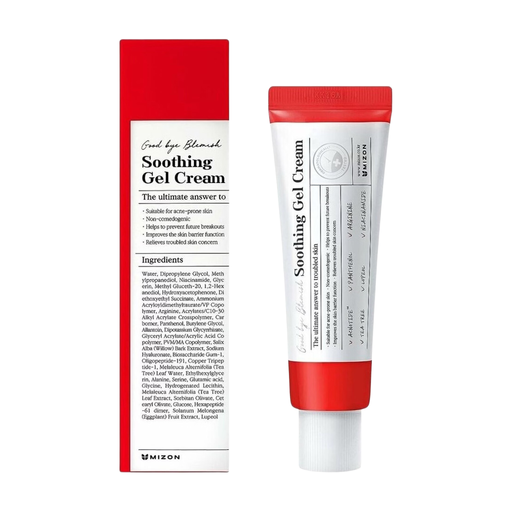
Why it's a match: Ideal for those whose skin is not only sensitive but also prone to pimples and oiliness. The lightweight gel texture moisturises without burdening the pores.
This product bypasses the "wrong texture" pitfall. Instead of a heavy cream, it offers a light gel formulation that soothes redness without making the skin greasy.
Combines soothing Panthenol and Allantoin with sebum-regulating Niacinamide and Willow Bark Extract. The formulation is tailored to the needs of blemish-prone, sensitive skin.
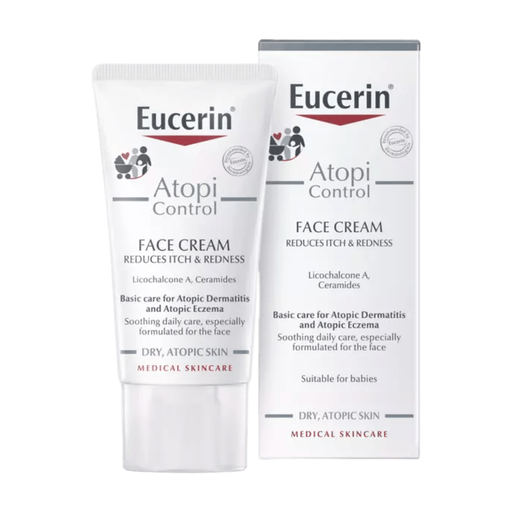
Why it's a match: Developed for very dry, irritated, and eczema-prone skin. The rich formula provides intensive care and helps to stabilise the skin barrier and relieve feelings of tightness.
This product relies on a proven ingredient synergy rather than a single trendy ingredient. It combines Ceramides for barrier strengthening with the soothing Licochalcone A (from licorice root extract).
The formulation is fragrance-free and suitable for atopic-prone skin. The nourishing base with Evening Primrose and Grapeseed oil supplies essential lipids.
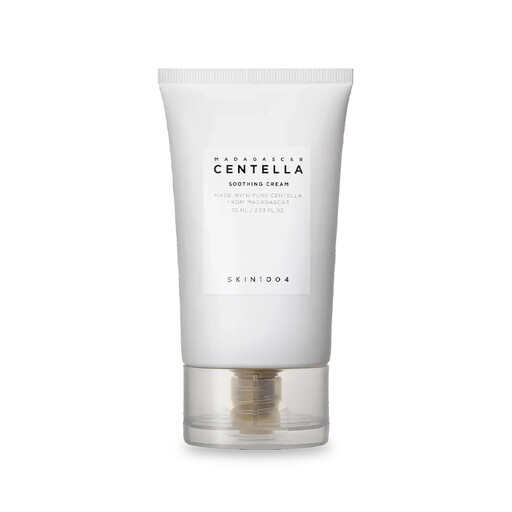
Why it's a match: For users specifically looking for a highly concentrated Cica cream who appreciate the minimalist yet effective formulations of Korean brands. Offers intensive soothing and repair.
Here, the "ingredient hype" is backed by real substance. Centella Asiatica Extract is one of the very first ingredients on the INCI list, indicating a high concentration. It's not an empty marketing promise.
The formula contains four key components of the skin barrier: Ceramide NP, Cholesterol, Stearic Acid (Fatty Acid), and Phytosphingosine. This comprehensively supports the regeneration of the skin's structure.
We've compiled a complete, up-to-date list of products that fully meet these strict selection criteria and German safety regulations.
Many products suitable as skincare for rosacea fall into the category of soothing creams. However, it is crucial to look for formulations explicitly developed for hypersensitive skin that are free of fragrances, alcohol, and other known irritants. Products from brands like Avène or Eucerin are often a good starting point. Nevertheless, a rosacea diagnosis and treatment plan should always be made in consultation with a dermatologist.
Relief from tightness and a more comfortable skin feeling can often occur immediately after application. However, visible improvements, such as a reduction in redness and a strengthened skin barrier, take time. Give your skin and the product at least four to six weeks of consistent use to assess its long-term effects.
Yes, in most cases, that is a good idea. In the summer, when humidity is higher and the skin sweats more, a lighter soothing gel-cream is often more pleasant. In winter, however, the skin needs more protection from the cold and dry indoor heating. A richer cream or a balm can help keep the skin barrier intact and prevent moisture loss.